Good sanitary facilities help students focus in class
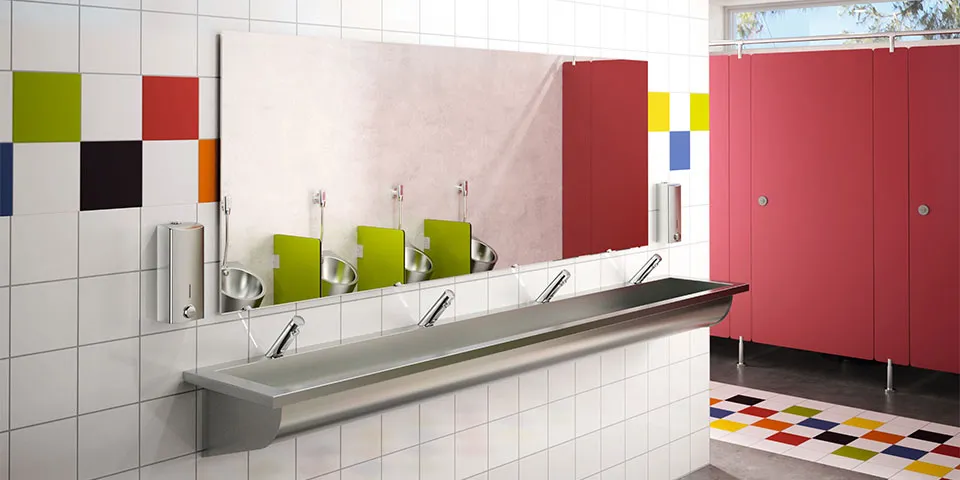
The new school year is under way, and we are working together to ensure that pupils and students can enjoy as normal a time as possible during this ongoing coronavirus pandemic. There are constant reminders of the importance of having enough opportunities to wash hands regularly. Research has shown, however, that this additional hygiene measure should not be the first priority. For example, the 2018 hygiene and health report by Essity, conducted by Kantar Public, found that more than 1,500 parents, teachers and pupils from both primary and secondary schools cited bad smells (85%) and dirty toilet seats (76%) as the main reasons why children hold it in until they get home.
Unhygienic toilets are not just unpleasant and dirty. Students who urgently need the toilet but hold it in may also be unable to concentrate in class, develop stomach ache and potentially experience health problems over time.
Clean hands
The recommended measures to combat coronavirus make clear that hand hygiene is essential. People are being asked to wash their hands much more often: on entering school, after every break, before and after every meal, after every visit to the toilet, and after sneezing, coughing or blowing their nose. Hands must also be washed thoroughly and correctly: with water and soap wherever possible, then dried thoroughly with a disposable paper towel. Essity’s research, however, shows that one-third of pupils do not always wash their hands after using the toilet. The main reason is a lack of essential facilities such as soap and/or towels.
Technical solutions that meet every requirement
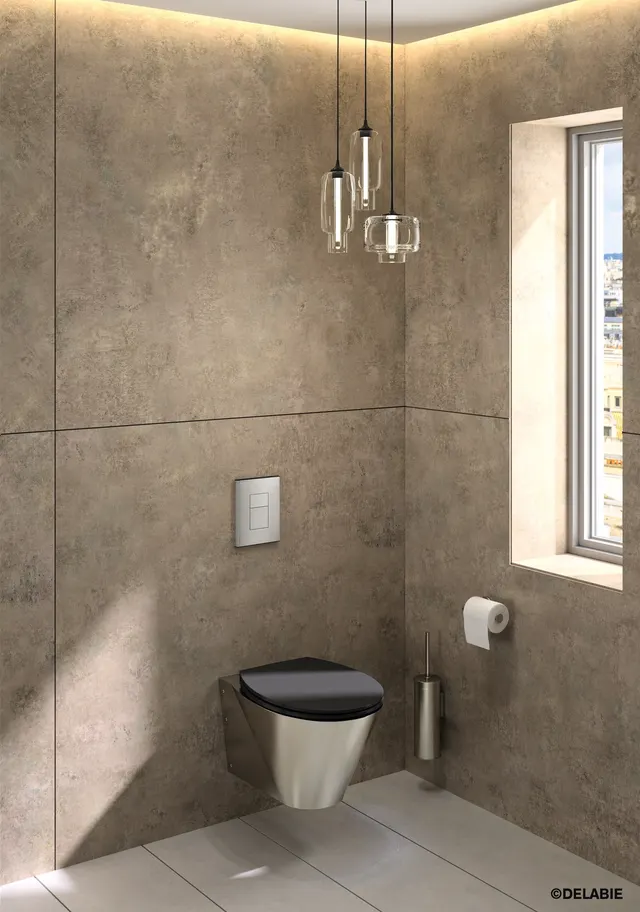
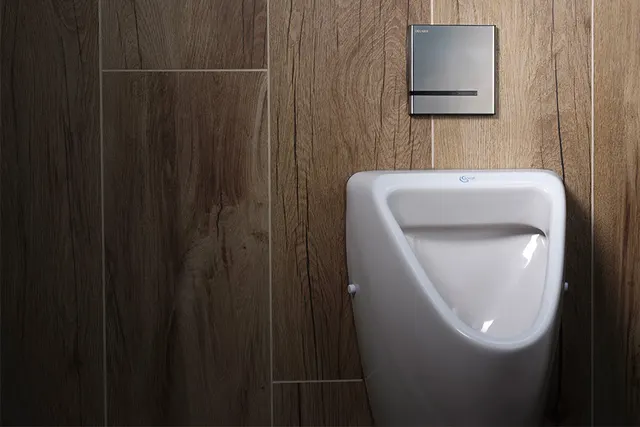
If we want to keep pupils at school during the coronavirus crisis and hold their attention, we need to prevent dirty sanitary facilities. Choosing toilets with direct-flush systems immediately addresses the first complaint about dirty toilets. A conventional toilet with a cistern relies on gravity, resulting in a less powerful flush. A direct-flush system, by contrast, uses the pressure of the mains water supply. Its flushing power ensures efficiency, so just one flush is enough. The system also allows successive flushes for multiple users in a row. That means no more paper or other traces left behind by previous users. A short 7-second flush, with no waiting time, gives pupils the comfort they need and prevents bad smells.
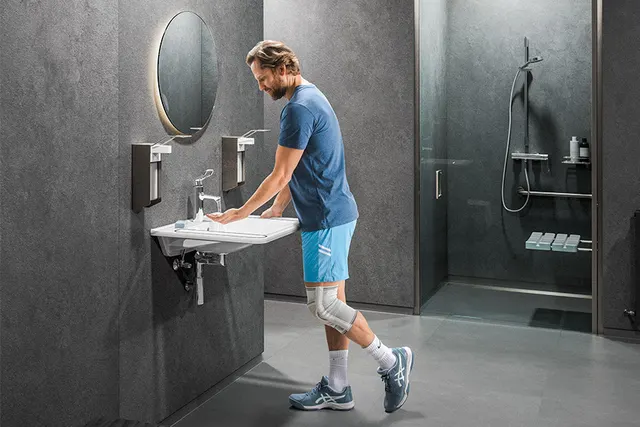
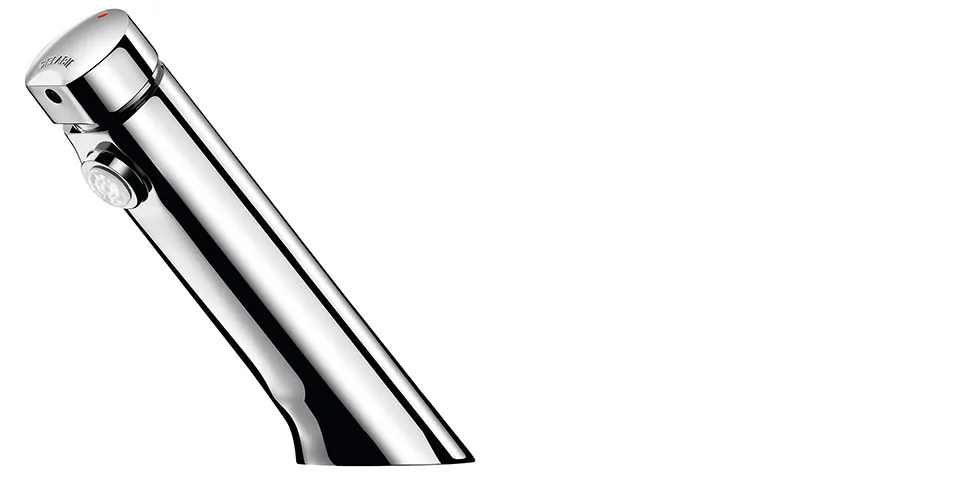
For good hygiene, self-closing mechanical or electronic taps are a suitable solution, as they require no manual contact once activated. This prevents any bacteria or viruses on push buttons or handles from being transferred again via the hands. Choosing electronic taps with periodic flushing prevents water stagnation and, consequently, bacterial growth. The automatic flush activates every 24 hours after the last use and flushes for 60 seconds. Electronic toilet taps also activate automatically as soon as the user leaves the detection zone. This ensures that the toilet is left clean after every use, even if a student forgets to flush.
For optimum hand hygiene, soap dispensers that are reliable and easy to use are recommended. DELABIE’s dispenser works with both soap and gel and delivers an optimum dose (0.8 ml) each time it is activated, which can be limited to a maximum of 7 doses per use. DELABIE soap dispensers are also easy to refill thanks to their wide opening. Environmental considerations call for reduced water consumption. Compared with a conventional basin tap, DELABIE’s self-closing mechanical or electronic taps optimise water savings. They help reduce water bills without compromising comfort or hygiene. The tap closes automatically after 7 seconds (mechanical models) or when hands are removed from the detection zone (sensor-operated models), and has a limited flow rate of 3 litres per minute at 3 bar. Users can therefore wet their hands, apply soap and rinse them without the tap continuing to run. With an electronic tap from DELABIE, water consumption falls to 0.6 litres per use. With a conventional basin tap consuming 9 litres per minute, this rises to 4.8 litres. DELABIE’s tap therefore reduces consumption by almost 90%.
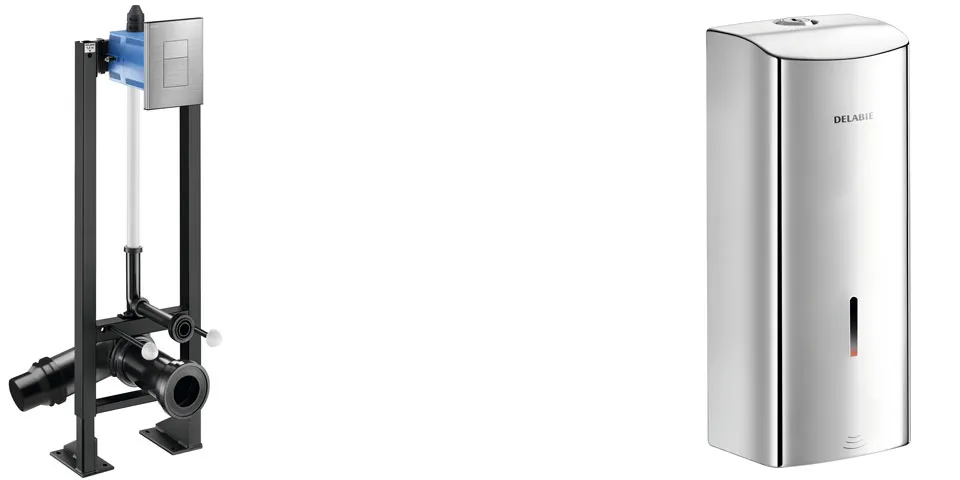
To withstand intensive use, DELABIE taps, soap dispensers and other sanitary fittings are made from durable materials such as solid brass, with mechanisms tested to withstand more than 500,000 operations. The fixings are also reinforced to prevent them from coming loose over time. Choosing models with standardised replacement parts also makes maintenance much easier.
A business enquiry for Delabie? Get in touch
Companies in this story

Keep following this
Get an email when a new story is published. No account needed.
- ThemeFuture-proof water and sanitary systems
- SubjectSanitaryware
- CompanyDelabie