Tackling drinking water shortages by using rainwater
At a time when water has become a precious resource, it seems absurd that we still flush our toilets with valuable mains water. In the Netherlands, more than 100 litres of drinking water are used per person per day, over half of it for tasks such as flushing toilets, running washing machines or watering the garden. Yet there is no need to use high-quality drinking water for these purposes!
Sander Schonewille, product specialist, points out: “It’s a waste that we haven’t found other solutions for this. Greywater and rainwater can be recycled perfectly well. This is not only better for the environment, but can also lead to significant water savings of up to 60%.”
Threat of water shortages
The threat of water shortages is a growing concern. Research by the RIVM predicts major drinking water shortages by 2030, with an additional 102 million cubic metres of water needed. These shortages are already occurring in some regions, as the current drinking water network cannot keep up with rising demand. Without intervention, many businesses will face problems. Sander notes: “We’re already seeing businesses, such as holiday parks and campsites, unable to expand because of uncertainty about water capacity at peak times. In addition, drinking water costs are predicted to rise by 30% over the next few years, with water companies passing these costs on to large users. This is why more and more businesses are beginning to see the benefits of recycling rainwater and investing in this solution.”
Stricter regulations on rainwater management have already been introduced in Belgium. There, collecting and reusing rainwater is the norm, while discharge is the exception. The Netherlands is also making progress in this area, with the aim of reducing drinking water consumption by 20% by 2035. The largest water companies have already committed to this target.
Benefits
Using filtered rainwater for tasks such as washing, gardening and toilet flushing can deliver significant savings in precious drinking water. Advanced rainwater systems make this possible safely and reliably. Rainwater contains no limescale, making it even better for washing than drinking water. By collecting and filtering rainwater, then pumping it back to points of use on a property, individuals and communities alike can help reduce pressure on the drinking water network.
Intelligent rainwater system
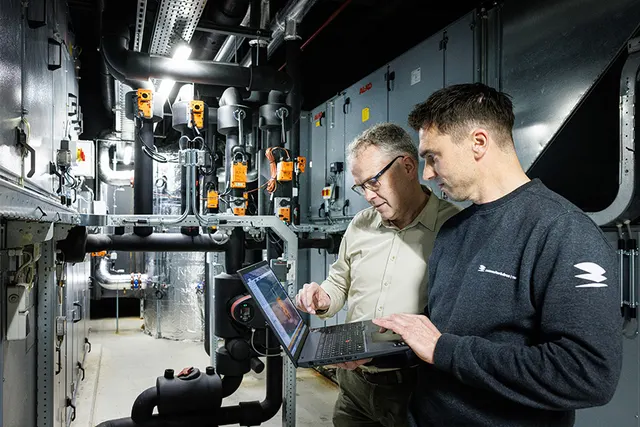
Integrating intelligent control systems with rainwater tanks and wells makes it possible to use rainwater more efficiently. These systems use both internal sensors and external data sources, such as weather stations and forecasts, to make informed decisions about how to use the collected rainwater. This maximises water savings and minimises the use of precious drinking water, particularly during dry spells.
Rainwater reuse for businesses
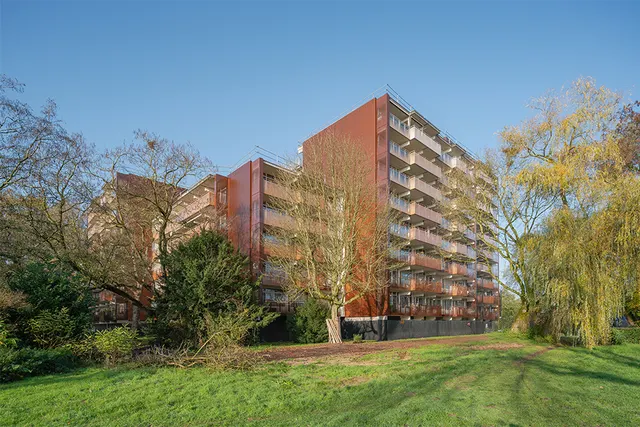
Rainwater reuse is relevant not only to private homes, but also to a range of businesses and public institutions, from apartment blocks and schools to hospitality venues and sports centres. Businesses can even use rainwater as process water, reducing their ecological footprint.
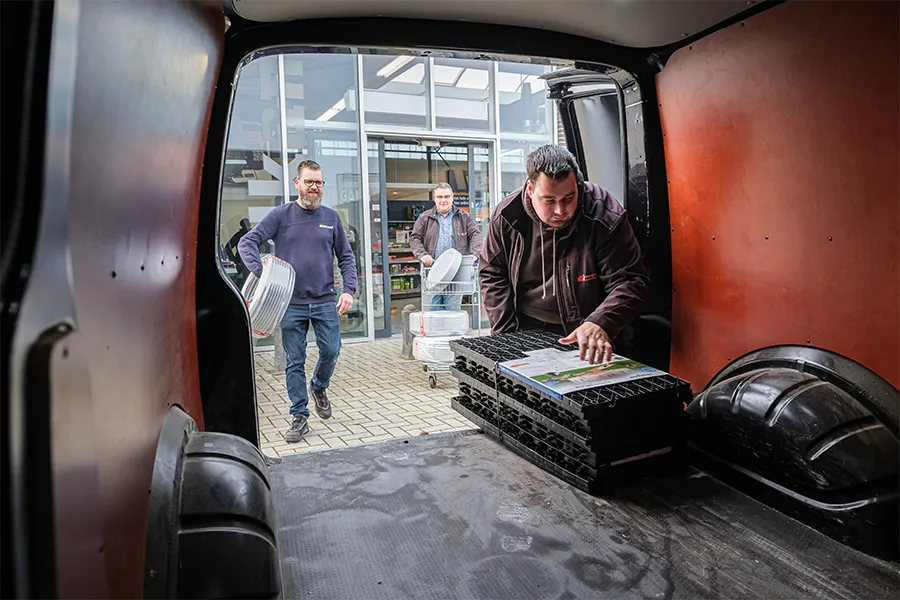
Complete systems
A range of rainwater tanks and Kiwa-approved pumping systems is available, developed with advanced storage, filtration and pumping technologies and meeting high safety and usage standards. Used for more than 20 years, these systems guarantee the best water quality.
Find out more about rainwater reuse
Would you like to know more about reusing rainwater? Our specialists will be happy to help design an effective rainwater reuse system tailored to your needs. Visit our website for more information, or call in at one of our branches.
A business enquiry for Wildkamp? Get in touch
Companies in this story

Keep following this
Get an email when a new story is published. No account needed.
- ThemeFuture-proof water and sanitary systems
- SubjectSustainable construction
- CompanyWildkamp