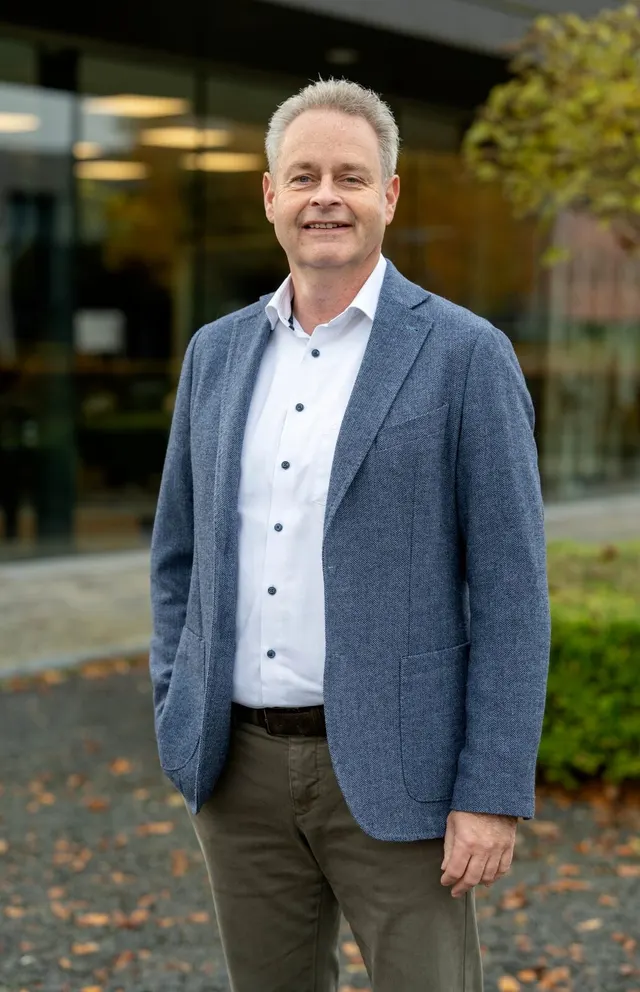
Tom Melching: Controlled environments are key to food security and efficiency
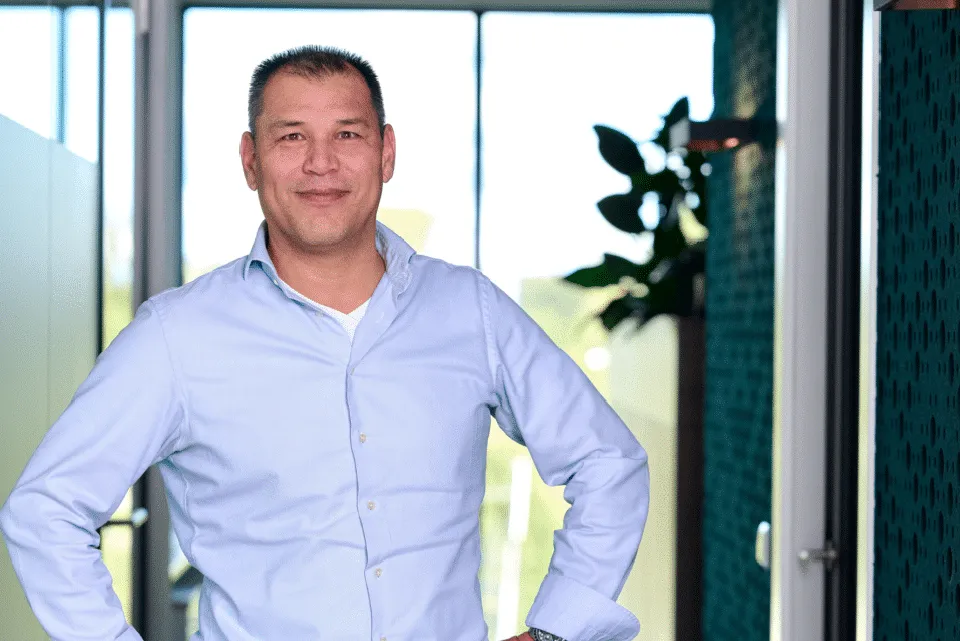
Controlled environments. It sounds like a catch-all term, and in a sense it is. But its strength lies precisely in its broad applicability. Anyone working in air handling and climate control today knows that we are concerned with much more than comfort alone. We are talking about control. About managing temperature, humidity and air quality, and ultimately, processes that are becoming increasingly unpredictable.
Take the agricultural sector. Traditionally, it has depended on external factors over which we have little control: sunshine, rain, drought and wind. The past few years have once again shown just how erratic these factors can be. Crops fail because of extreme weather, prices fluctuate and food security comes under pressure. At the same time, we see surpluses elsewhere. This paradox makes one thing clear: the system as we know it is reaching its limits.
Controlled environments offer a solution, and air handling is the determining factor. By growing crops in a controlled environment, such as a greenhouse or climate chamber, the indoor climate can be actively managed. Airflows, temperature and humidity are continuously monitored and adjusted to ensure plants always grow in optimum conditions. Ventilation, dehumidification and heat recovery play a crucial role. The result? Higher, more consistent yields, with less waste of scarce resources such as water and energy. At a time when freshwater is becoming increasingly precious and energy concerns are more pressing than ever, this is not a luxury but a necessity.
But the impact extends beyond agriculture. Controlled environments are just as relevant in cleanrooms, data centres, production facilities and even offices. Wherever precision and reliability are crucial, climate control plays a key role. It is about product quality, process reliability and human wellbeing. Because the same applies to people: a well-controlled indoor climate improves comfort, concentration and productivity.
Yet the transition is still happening too slowly. Not because the technology is lacking, because it is already here. We can do much more today than we are currently putting into practice. The real challenge lies elsewhere: in mindset, willingness to invest and policy choices. It calls for a different way of thinking. Less dependence on the vagaries of nature, more focus on control and optimisation. Looking ahead, its importance will only grow. Climate change, whether you see it as a natural cycle or as human-caused, is increasing uncertainty. At the same time, technology is opening up new possibilities. With digitalisation and AI, systems can increasingly regulate and optimise themselves. The combination of data and climate control will boost efficiency even further.
So the question is not whether controlled environments will play a role, but how quickly and on what scale we embrace them. Because ultimately, it comes down to a simple but sobering observation: we already have the knowledge and resources to produce food more efficiently and sustainably, and even enough for everyone. Failing to realise that potential is not a technical problem. It is a choice…
A business enquiry for WOLF Energiesystemen? Get in touch
Companies in this story

Keep following this
Get an email when a new story is published. No account needed.
- ThemeHealthy indoor air
- SubjectThe pen
- CompanyWOLF Energiesystemen