











Renovation of Museummolen Nederwaard in Kinderdijk: new light on a historic windmill
Text Klemko Techniek and Lieke BousemaImage Klemko Techniek
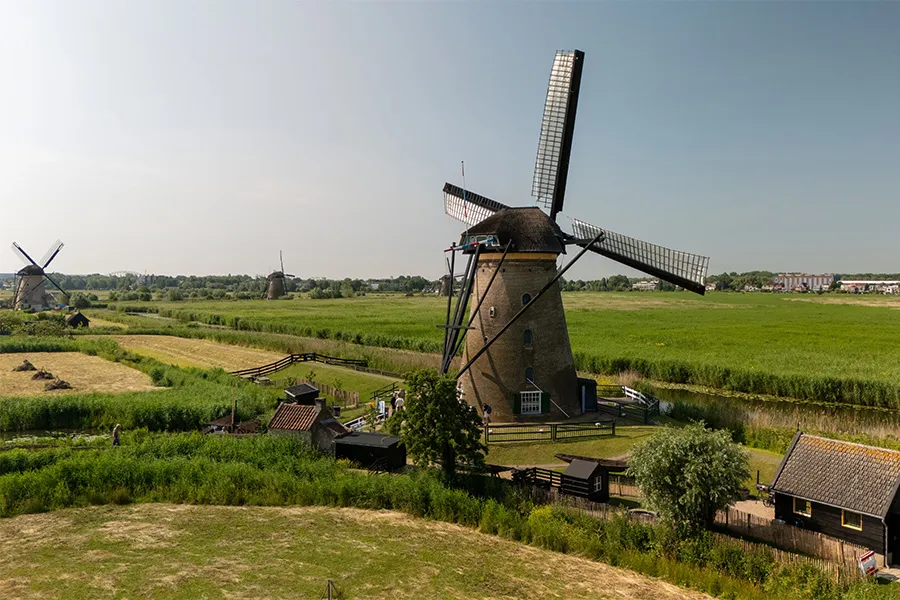
The famous windmills of Kinderdijk, a UNESCO World Heritage Site and an international icon of the Netherlands, make up a unique place where visitors can step back in time. Built in 1738, Museummolen Nederwaard is one of the nineteen windmills in the area. This particular windmill was once used to pump water from one polder basin to another. Today, it serves as a reminder of the past. Visitors can get a vivid glimpse into the lives and work of the millers who lived and worked here for centuries.
Lighting played a key role in the recent renovation of this historic windmill. How do you ensure visitors can move safely through narrow stairways and dark rooms without compromising its authentic character? Wemmers Installatietechniek and Klemko Techniek came up with the answer.
A challenging starting point
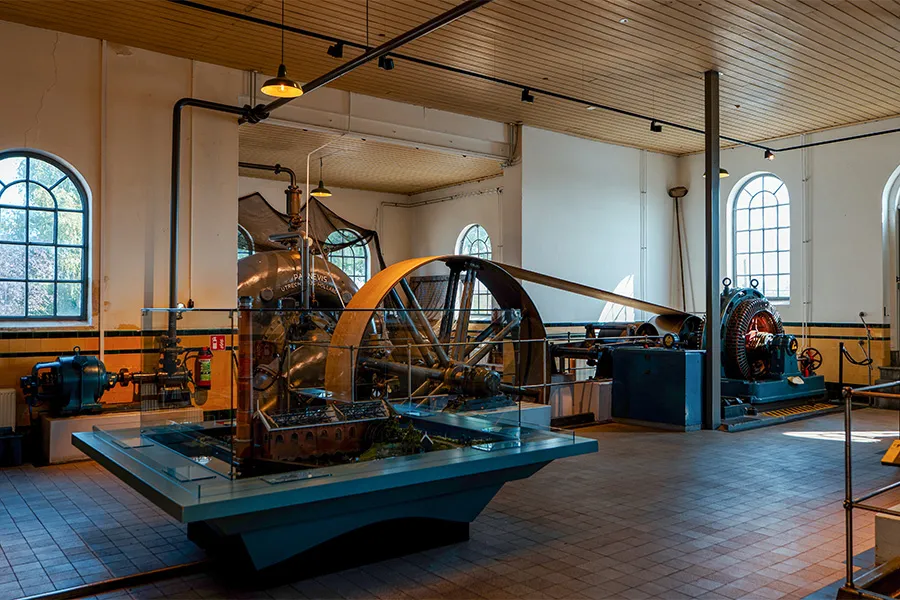
Peter van den Boogaard of Wemmers Installatietechniek explains that LED lighting was already installed in the windmill. “It was a first-generation LED system. Its colour temperatures were no longer in keeping with those of modern lighting, and many of the windmill’s details were not properly illuminated. In some areas, such as the steep wooden stairways and dark corners, there was also too little light.” Having previously worked successfully with Klemko Techniek on a similar project, Wemmers quickly chose the company from Soest. Danny Miac of Klemko still remembers the first walk-through: “You can’t develop a project like this on paper alone. A lighting plan works well in a standard building, but a windmill presents many variables. Think dark types of wood, low ceilings and smoke lofts where fish and meat were once smoked. We assessed what was needed in each room and tested different luminaires on site.”
Respecting history, ensuring safety
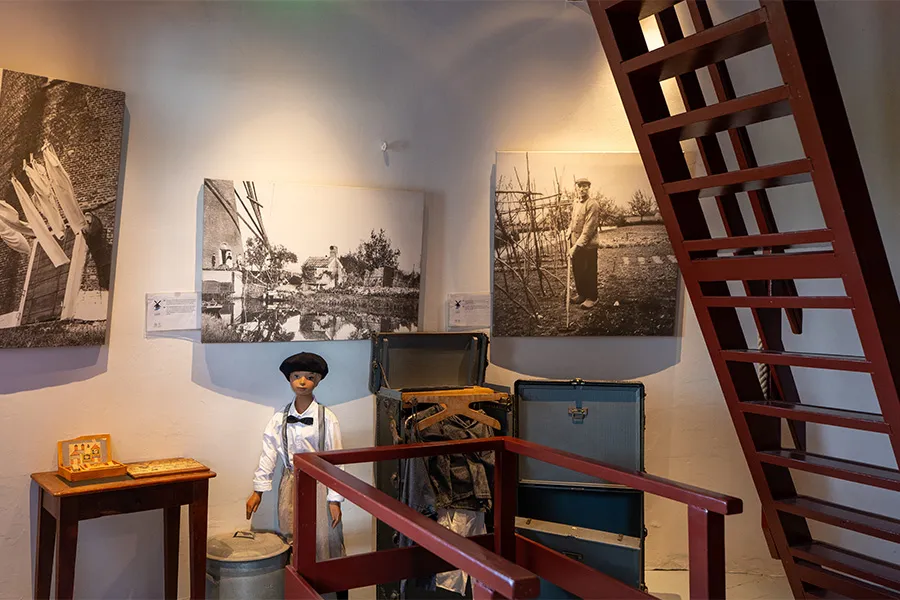
Respect for the original features is crucial in a historic building such as Nederwaard. Van den Boogaard explains: “Where cables or luminaires had to be surface-mounted, we had them painted to match the wood or ceiling. This ensures that the windmill’s craftsmanship and structure remain more visually prominent than the installation.” Safety was also a major consideration. The windmill has several steep stairways and narrow passageways used by thousands of visitors each year. “That’s why we integrated emergency units into the lighting,” says Miac. “If the power fails, the luminaires continue to operate for at least three hours. This means the escape route remains lit at all times, including in an emergency.”
Tailored down to the last detail
The project therefore called for detailed, bespoke solutions, including for lighting the inside of the cap. Track spotlights were used to illuminate the windmill’s rotating roof, ensuring the woodwork is always well lit, whatever the wind direction. “Subtle spotlights were installed in the preserved box bed to showcase the authentic furnishings and traditional costume,” says Miac. “Projects like this are a real treat. Just like building the windmill, this work called for genuine craftsmanship. Our installers and the Wemmers team worked together to put the finishing touches in place.”
A satisfied client
The windmill’s manager, Stichting Werelderfgoed Kinderdijk, trusted the expertise of Wemmers and Klemko. And the result has been very well received. Visitors can now explore a museum windmill where the history remains tangible, while the lighting also makes it safe, accessible and inviting. Miac concludes: “In my view, the installers deserve the greatest credit. Ultimately, it was their precision and respect for the historic building that made all the difference.”
Klemko Techniek: LED and lighting experts
Klemko Techniek BV provides innovative solutions in connection technology, lighting control and LED lighting, with the aim of making work easier, more sustainable and more efficient for construction and installation professionals. Its focus includes developing high-quality lighting solutions that inspire and take every project to the next level. Klemko demonstrates its success in this field through the manufacture of LED lighting and lighting control systems, including under the Lumiko brand.
Lighting products used
The lighting installation at Museummolen Nederwaard comprises the following products:
- Faro XPG LED surface-mounted spotlight with high light output
- Universally dimmable Lumiko LED driver with emergency battery
- Lumiko Easy interface
- Lumiko Easy kinetic wall transmitter
- Lumiko Easy remote control
- Black 3-phase B-Rail spotlight
- Black Systeem 25 cable trunking
Have a business enquiry for Klemko Techniek BV? Get in touch
Who worked on it
Museummolen Nederwaard in Molenlanden, renovation
- lighting
 Klemko Techniek
- installerWemmers Installatietechniek
- administratorStichting Werelderfgoed Kinderdijk
Keep following this
Get an email when a new story is published. No account needed.
- ProjectMuseummolen Nederwaard
- ThemeSustainable refurbishment of existing buildings
- SubjectGeneral
- CompanyKlemko Techniek BV
- CompanyWemmers Installatietechniek
- CompanyStichting Werelderfgoed Kinderdijk







