From emergency power to microgrids
Text Desiree PenningsImage Koninklijke van Twist
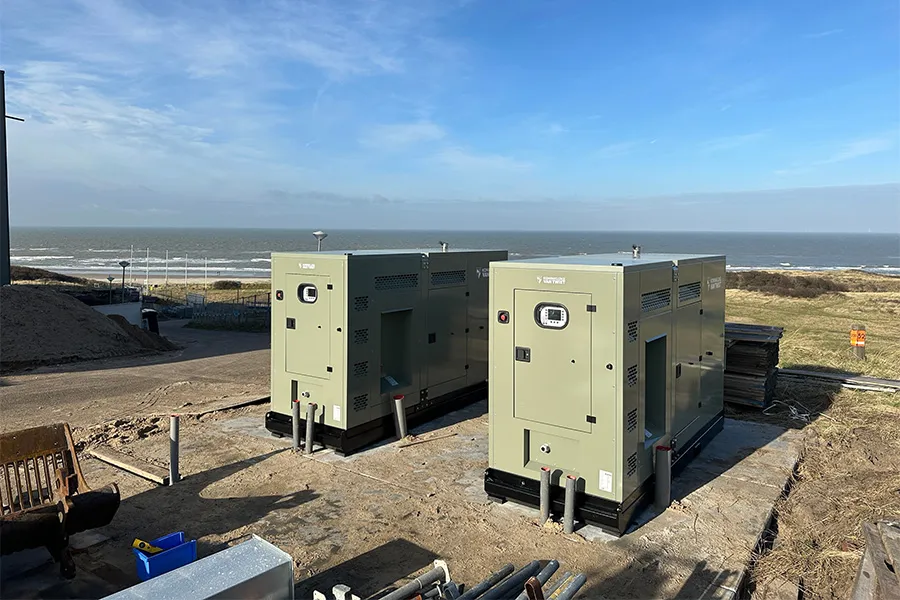
Emergency power is no longer always traditional
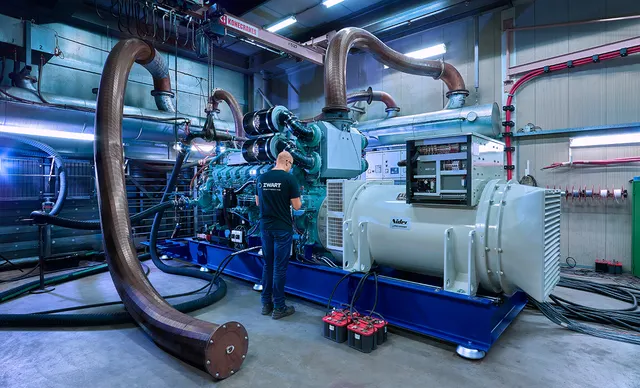
Keeping pace with the times is something family business Koninklijke Van Twist (KVT) does very well. KVT continually responds to market demands, or even anticipates them. This includes microgrids, business models and more sustainable combustion engines. At the same time, the company still supplies traditional systems, providing emergency power solutions where needed for businesses of all sizes.
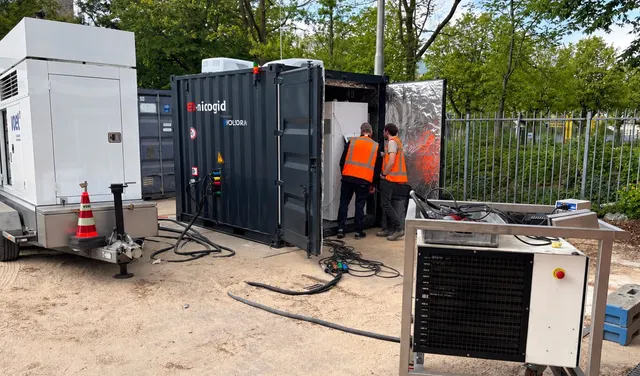
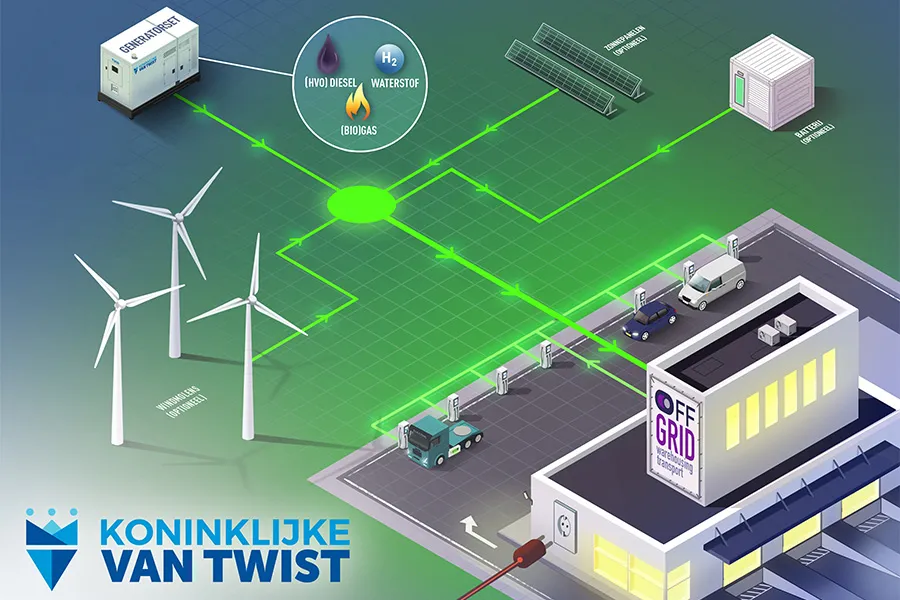
KVT has been providing emergency power solutions for more than 85 years. That may sound simple, but today there is much more to it than a conventional standby generator. Businesses are increasingly asking for semi-permanent solutions to avoid problems caused by grid congestion or to secure more power than the local grid can supply. This often leads to microgrids. These provide a reliable power supply using, for example, a combination of a smart battery, solar power and a conventional combustion engine.
“When a business applies for a new or upgraded grid connection and the network operator is unable to meet its needs, it may have to wait for years. Entire new-build developments sometimes fail to get off the ground because they cannot be connected to the public grid. We then assess the power demand and whether it can potentially be integrated into an existing system. In a microgrid, for example, solar panels generate energy that is stored in a battery. When the battery is empty, a combustion engine generates power,” says Mark Scheurwater, sales manager at KVT.
Hydrogen and gas
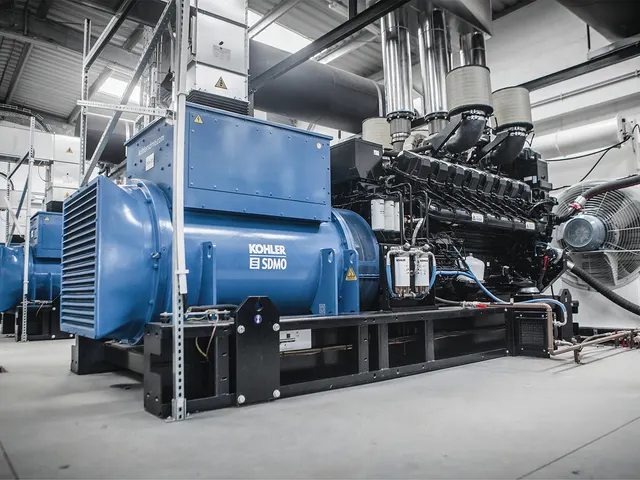
Diesel generators are still used regularly, despite their reputation for being polluting, Scheurwater continues. “We supply not only conventional diesel generators, which are already very clean, but have also developed ultra-clean hydrogen combustion engines. However, they will only become truly attractive when this fuel is readily available in large quantities.” An additional power source, such as a diesel engine or gas-fired engine, is always needed alongside the battery and, for example, solar panels, says general manager Jeroen Eeuwijk. “Batteries are now very sizeable, and their capacity can be increased by adding more batteries. Even so, they only provide power for a relatively short period. After that, an additional power source is still needed if you do not want to depend on the grid.”
Business model
Those who use a microgrid and generate their own energy can build a business model around it. When tariffs are low or negative, you store electricity in the battery. When tariffs are high, you trade electricity with your neighbours or feed it back into the grid. Scheurwater: “You can take this as far as you like. It is an investment, but you earn it back. Sometimes you may not need a network operator at all. We see that businesses no longer want to be held back by the slow pace at which network operators have to work.”
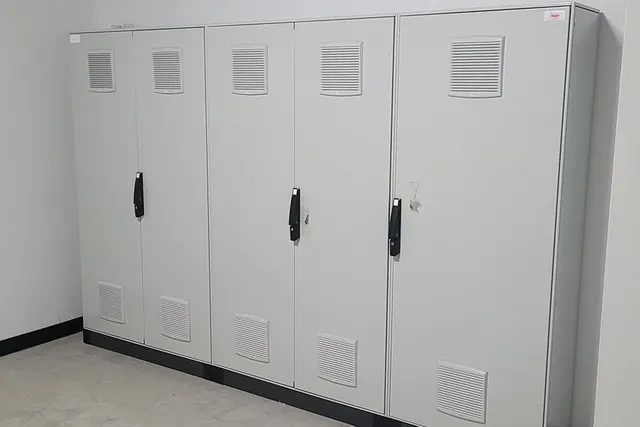
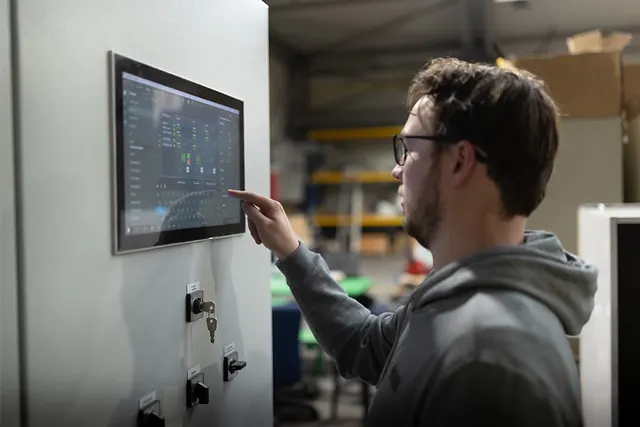
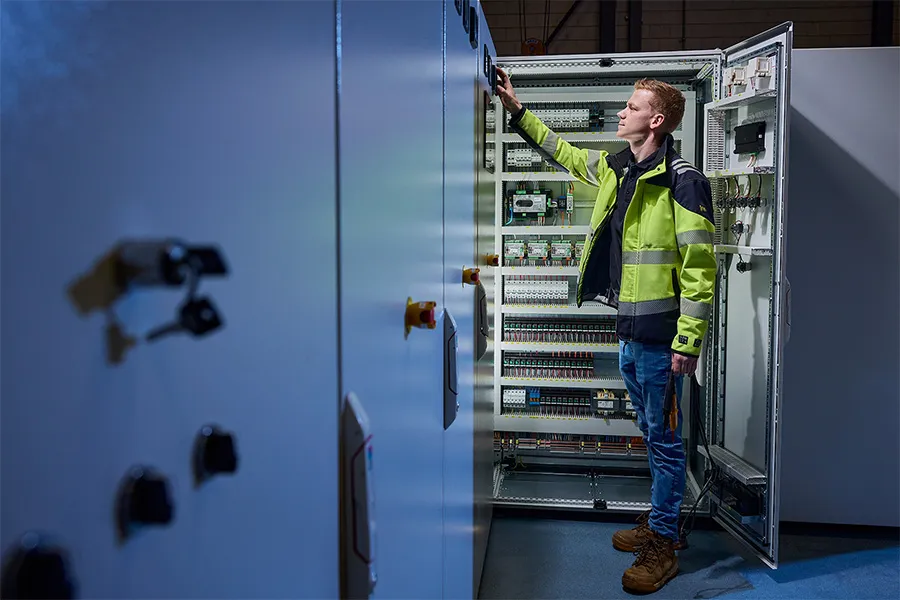
KVT is one of the few emergency power suppliers to handle the engineering, construction and maintenance of the entire emergency power installation in-house. The company even has its own department of software engineers and electrical engineers, who also design and build the control panels themselves. “We can deliver a complete project without external parties, fully certified. We also handle all the maintenance and legally required inspections ourselves,” says Scheurwater. “And when the installation reaches the end of its technical service life, we are ready with a team of refurbishment technicians to give it a second life.”
Question about this story? Ask your question
Keep following this
Get an email when a new story is published. No account needed.
- ThemeBuilding electrical systems
- SubjectBackup power