Smart light tubes bring daylight deep into classrooms
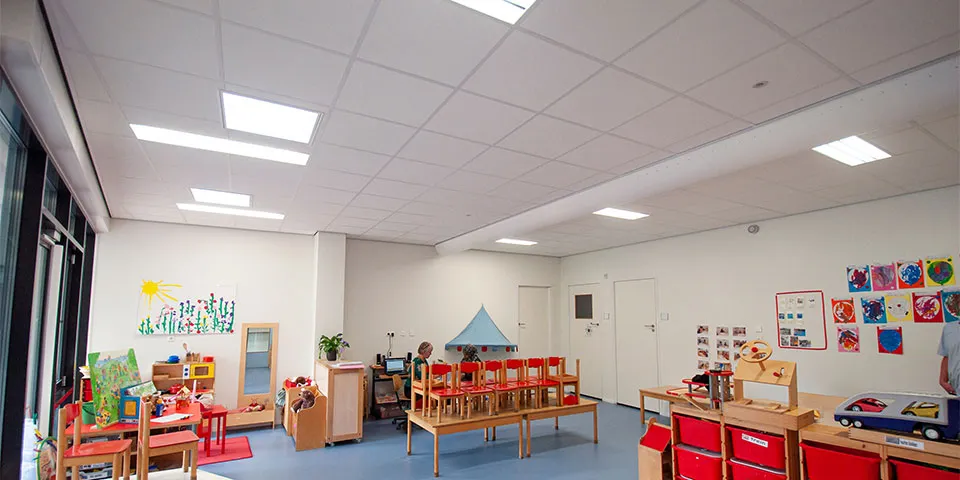
Daylight plays a crucial role in human well-being. That much is obvious. We also know that sufficient daylight in schools creates a pleasant, healthy learning environment and improves performance. But where should that light come from? It is often assumed that windows and, occasionally, a few rooflights are the only options. With Solatubes, Techcomlight offers an additional way to bring daylight indoors. The low-maintenance product can also save money.
“We say that Techcomlight goes where the window stops,” says Mark Veldjesgraaf, director of, among other things, the Dutch branch. “Windows are usually found on just one side, which means daylight is distributed unevenly around the classroom. Solatubes can help us address that.”
Plenty of light, reaching far
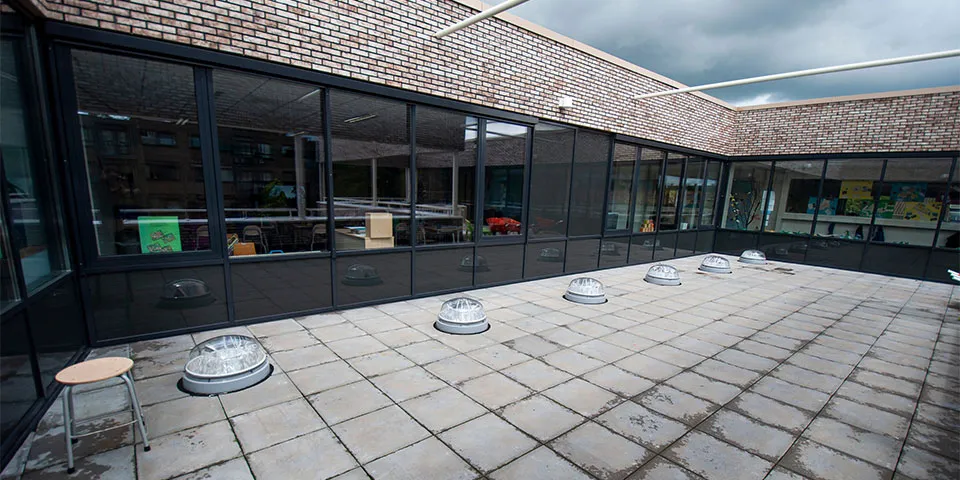
Solatube is the original daylight tube, also known as a daylight pipe or daylight system. These tubes bring in a high number of lumens despite their relatively small diameter. Veldjesgraaf explains: “They are in a different league from other systems. At the top is a dome with prisms that capture as much light as possible. Diffuse light enters the room through the tube, which has a reflectance of 99.7%. The tube can be extended by up to 20 metres horizontally or vertically, so daylight can even be brought to lower floors. The most commonly used diameters are 35 and 53 centimetres, within the standard 60-centimetre centre-to-centre spacing. Unlike a dome, Solatubes require few or no structural alterations.”
Dimmable daylight
Daylight tubes are not the cheapest option to buy when it comes to bringing daylight indoors. However, they fall into the category of smart lighting: daylight costs nothing, reduces the need for artificial lighting and has a positive effect on productivity. “Techcomlight can calculate the impact of our systems based on the existing situation. We also indicate what additional artificial lighting is needed to achieve the optimum conditions. The tubes are low-maintenance, self-cleaning at both ends and well insulated as standard. They can also be dimmed, which is useful for a presentation, for example. The teacher can use a remote control to operate a butterfly valve in the Solatube. A dedicated PV cell supplies the power.”
ABC School
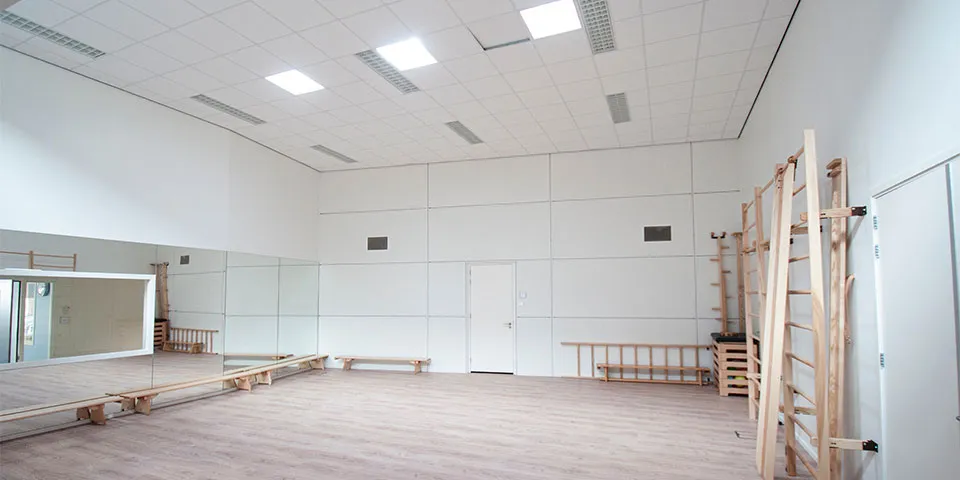
A recent project by Techcomlight is ABC School in Amersfoort, built to Frisse Scholen class B standards and the Passiefhuis concept. The school has an average GPR score of 9 across the themes of Energy, Environment, Health, Quality of Use and Future Value, and scores 10 for Energy. Achieving the latter score required making optimum use of daylight. Techcomlight provided the solution, supplying and installing five 53-centimetre-diameter polycarbonate Solatubes and three Solatubes with a 53-centimetre diameter and a double dome. As the gymnasium also serves as an auditorium, the three double-dome tubes are fitted with dimmers. The Solatubes in the childcare centre open onto the roof terrace, so they are made from more impact-resistant polycarbonate.
Question about this story? Ask your question
Keep following this
Get an email when a new story is published. No account needed.
- SubjectFrisse Scholen