Step by step towards a sustainable, energy-efficient and cost-effective building
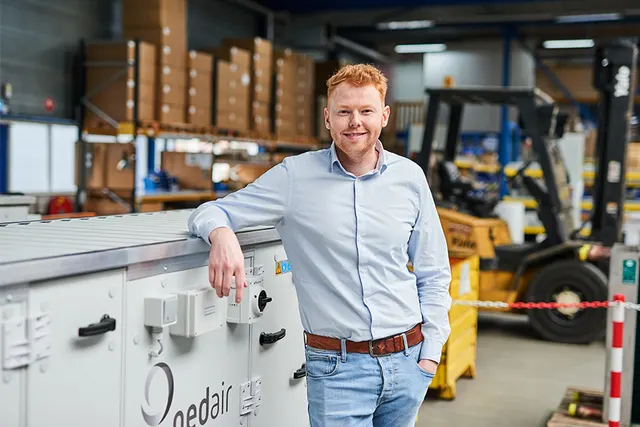
Through his company Enify, Gerard Zijlstra helps businesses in the non-residential sector significantly reduce their use of fossil fuels in a cost-effective way and make their property more sustainable. Instead of producing hefty reports or embarking on lengthy consultancy projects, he creates clear roadmaps with achievable steps, tailored to the character of the building and the organisation’s ambitions.

“Businesses looking to anticipate the energy transition and make their buildings more sustainable soon find themselves in a maze of smart solutions, technical details, legislation and regulations, myths and contradictions,” says Zijlstra. “Staying motivated in the face of all that takes a tremendous amount of commitment and perseverance. It helps to have a specialist to turn to.” Zijlstra has extensive experience in non-residential construction projects, where he was responsible as a project manager for the installation and commissioning of electrical and mechanical services. He also spent several years providing service, maintenance and management for these systems. “That’s when I learned that the real work only begins once a building has been handed over,” he says. “Keeping building services sustainable is a specific challenge that calls for specialist expertise.”
‘COVID-19 really woke building owners up’
Zijlstra regularly finds that heating, cooling and ventilation systems in both existing office buildings and schools have become unbalanced. This may be because the way spaces are used has changed. “The systems are not adjusted sufficiently to reflect these changes, resulting in complaints about the indoor climate, such as stuffy rooms, dry eyes, blocked noses, headaches, fatigue and difficulty concentrating. Bacteria and pathogens can also spread easily. The COVID-19 pandemic brought these problems under close scrutiny and really woke building owners up. They need to introduce lasting solutions in the short term to improve the indoor environment in their buildings. Sustainable, energy-efficient and cost-effective solutions, which I am happy to help them with.”
Back to basics
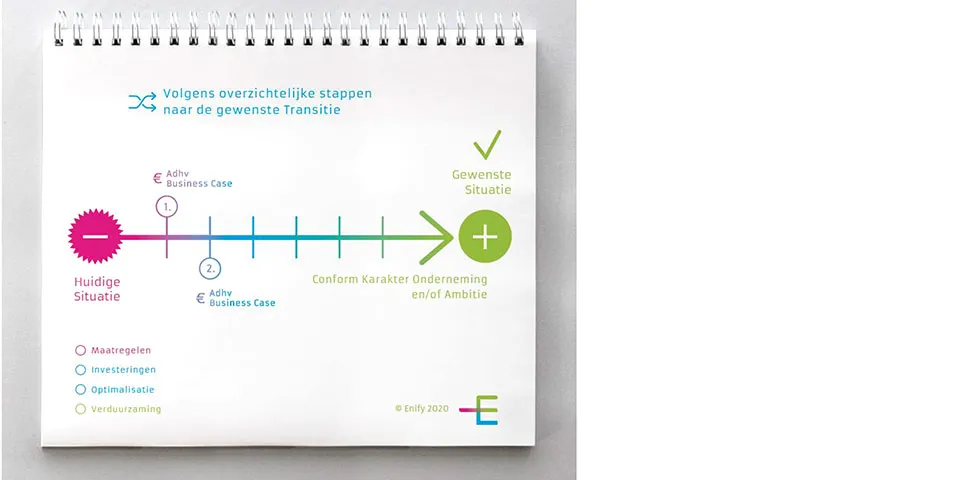
Zijlstra’s approach starts with the basics. “I build up a clear picture of the building and how it is used, and assess the characteristics, potential and limitations of the existing building services,” he says. “Using the Integrated Accommodation Plan (IHP) and Long-Term Maintenance Plan (MJOP) as a basis, I also look at what needs to be optimised in the short and long term, and which replacement dates or budgets could potentially be brought forward. Based on this information, I draw up a detailed scope of work, which serves as the basis for the tender process. Three parties, including the incumbent building services contractor, can submit a bid. I oversee the site inspection, tender process and quotations, then provide the client with a clear recommendation. If required, I also oversee and assess the work. Everything is carried out exactly in line with the design conditions and roadmaps, ensuring the client has a sustainable, energy-efficient and cost-effective building, now and in the future.”
Question about this story? Ask your question
Keep following this
Get an email when a new story is published. No account needed.
- SubjectFrisse Scholen