Sustainably optimising the climate in buildings
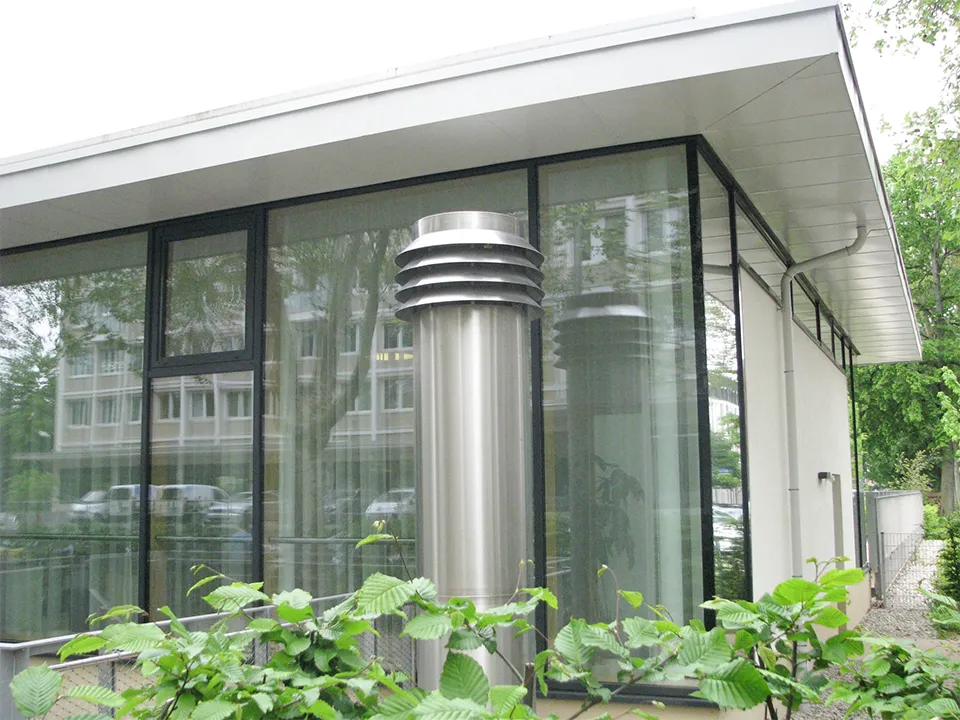
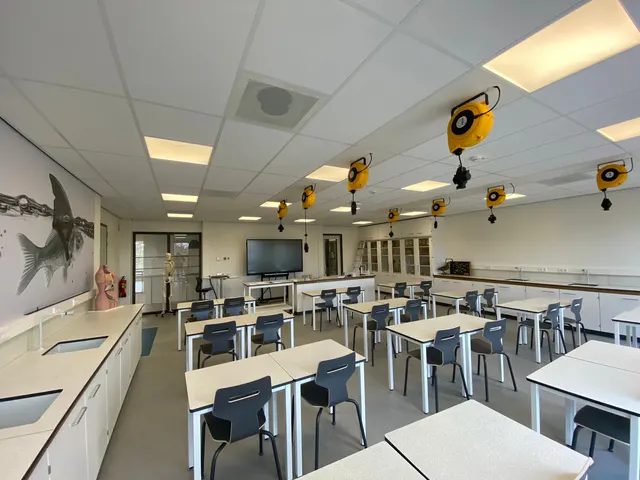
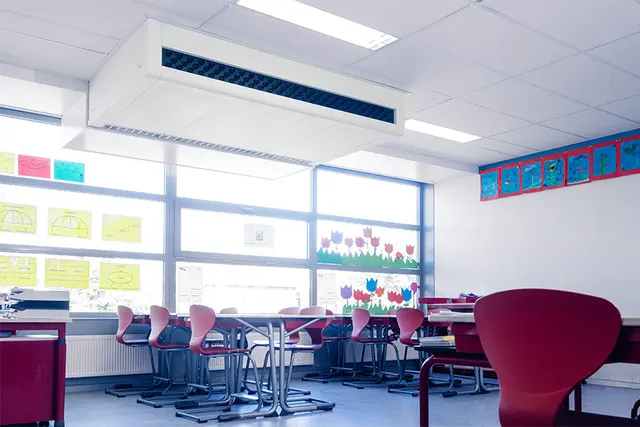
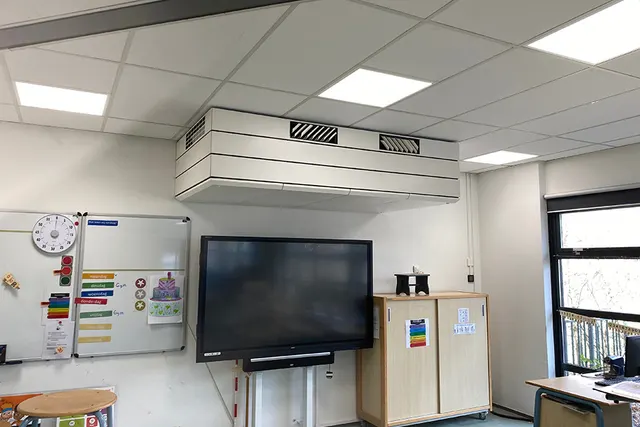
Whether they are schools, childcare centres, universities, detached houses, hospitals, town halls or office towers, all spaces where people spend time need fresh air.
And the larger the building, the more people work or live in it. What is more, whether it is a new or existing building, the building envelope is becoming increasingly airtight. In the past, windows could simply be opened for ventilation. Today, this is generally no longer possible, or nowhere near sufficient, in new buildings and energy-efficiently refurbished buildings. Yet ventilation is crucial inside a building. This was, of course, true even before the coronavirus pandemic, but we are now even more aware that pathogens can also spread through the air. Replacing indoor air plays a major role in this.
A better indoor climate means greater comfort, but above all fewer health complaints. When there is too little fresh air, people quickly become tired and irritable, and may have difficulty concentrating. People need around 600 litres of fresh air per hour. In schools, for example, the air in a classroom should be completely replaced every two hours. Window ventilation alone can hardly achieve this. It is also not desirable in every season, because of comfort and heat loss. In addition, it can make buildings more vulnerable to break-ins, increase noise nuisance and throw the climate control system out of balance.
Fresh air indoors at all times
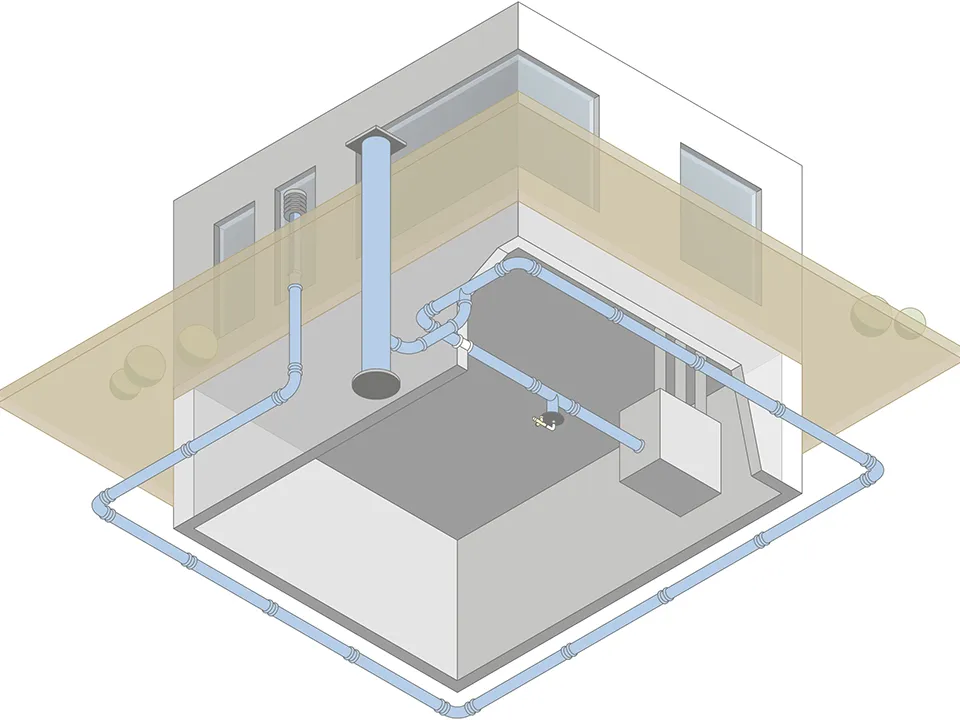
The AWADUKT Thermo air-ground heat exchanger system supplies the building with fresh outdoor air that is preheated or cooled, without unpleasant odours. This provides a sustainable and efficient way to bring fresh air indoors. Outdoor air is drawn in, filtered and cleaned, then conveyed into the building through a pipe system installed in the ground.
An essential component of healthy building ventilation
All the outdoor air drawn in is conveyed through supply pipes running from the intake tower into the building. The finish on the inside of the pipes is crucial to maintaining air quality. Condensation forms inside the pipes, where microscopic particles from the air can adhere and lead to bacterial growth. The rougher the inner surface, the greater the risk of bacterial growth. That is why the inside walls of AWADUKT Thermo pipes are smooth. They are also, uniquely on the market, coated with silver ions to prevent bacterial growth. This unique coating also prevents the unpleasant odours caused by bacterial growth.
Saving energy with air
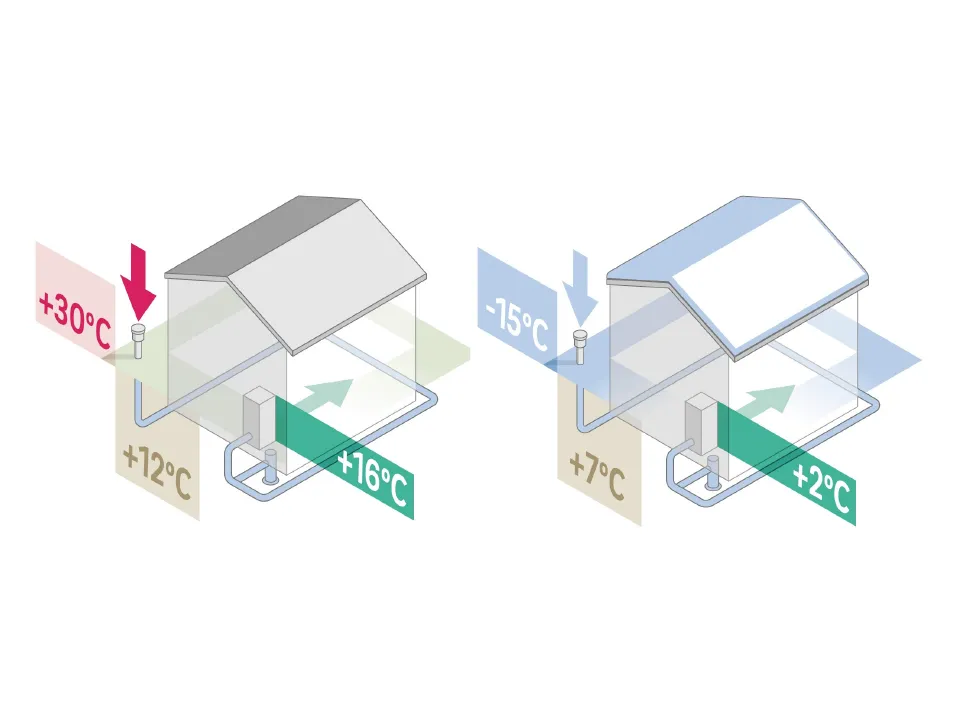
Energy can be saved by routing the intake air through a network of pipes installed in the ground. A great deal of energy! At a depth of 1.50 to 2.50 metres, ground temperatures remain fairly constant in summer and winter, and that is the secret. In summer, the air is pre-cooled in this way, while in winter it is preheated. This reduces the amount of additional heating or cooling required. A sustainable way to save a great deal of energy.
Question about this story? Ask your question
Keep following this
Get an email when a new story is published. No account needed.
- SubjectFrisse Scholen