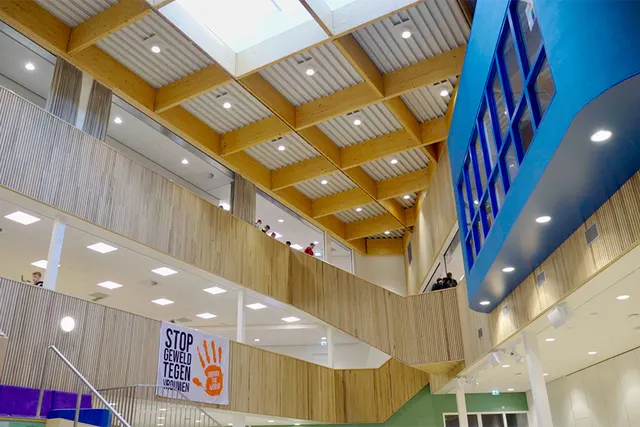
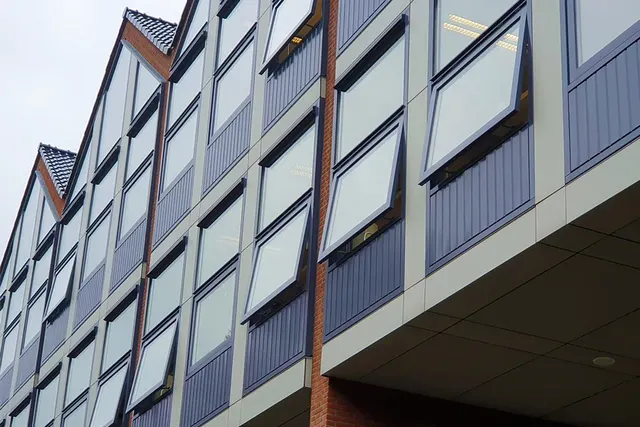
The diversity of school buildings calls for bespoke ventilation solutions

No two school buildings are the same. As well as location, year of construction, size, pupil numbers and type of education, the building owner’s requirements and budget can also vary. This makes bespoke school ventilation solutions essential, says CIAT, one of Europe’s leaders in healthy indoor air. By designing and selling a carefully selected range of clean, safe and energy-efficient ventilation solutions, CIAT offers a solution for every situation. These range from air handling units and centralised or decentralised air distribution systems, with or without heat recovery, to standalone air purifiers, all supplied to exact specifications and in line with current requirements and regulations.

Various national and international studies show that reducing CO2 and particulate matter concentrations in schools has a very positive effect on pupils’ health, cognitive function and learning outcomes. “These findings, among other things, led to the Frisse Scholen (Fresh Schools) Programme of Requirements (PvE) several years ago. It sets specific performance requirements for air quality, energy efficiency, and thermal, acoustic and visual comfort,” says Gerard Mojet, business developer for Healthy Buildings at CIAT. “By bringing in enough fresh air and efficiently diluting and removing or filtering polluted indoor air, high concentrations of CO2, aerosols and other pollutants are reduced to background levels. The result is a fresh, healthy learning environment, full of healthy, focused and happy children.”

Many schools have been built and renovated in recent years in line with the Frisse Scholen Programme of Requirements. “However, there are also many schools that do not yet meet the requirements,” Mojet stresses. “This became painfully clear during the coronavirus pandemic. With COVID-19, too, the strategy is to remove contaminants from classrooms through ventilation. A good, suitable ventilation system is essential for this, yet it is still missing all too often. For example, a recent survey by the National Ventilation Coordination Team found that just 38% of the school buildings studied met current standards. Air quality was found to be inadequate in 11% of schools, almost 800 buildings. The government has made 360 million euros available to speed up improvements.”
A carefully selected product range
CIAT expects the number of school ventilation enquiries to rise as a result of the so-called SUVIS scheme, particularly now that school ventilation is also on the radar of policymakers and parents. “Schools can, of course, opt for a standard ventilation solution to address problems quickly,” says Erik Tielenburg, air specialist and account manager at CIAT. “But if they want their ventilation to be effective, a ‘one size fits all’ system is less appealing. Just as there is no single pair of trousers that fits every Dutch man or woman, ventilation systems need to be tailored to suit. We support schools with a carefully selected range of Eurovent-certified products, engineered and optimised to exact specifications, whether for centralised or decentralised solutions, new-build or refurbishment.”
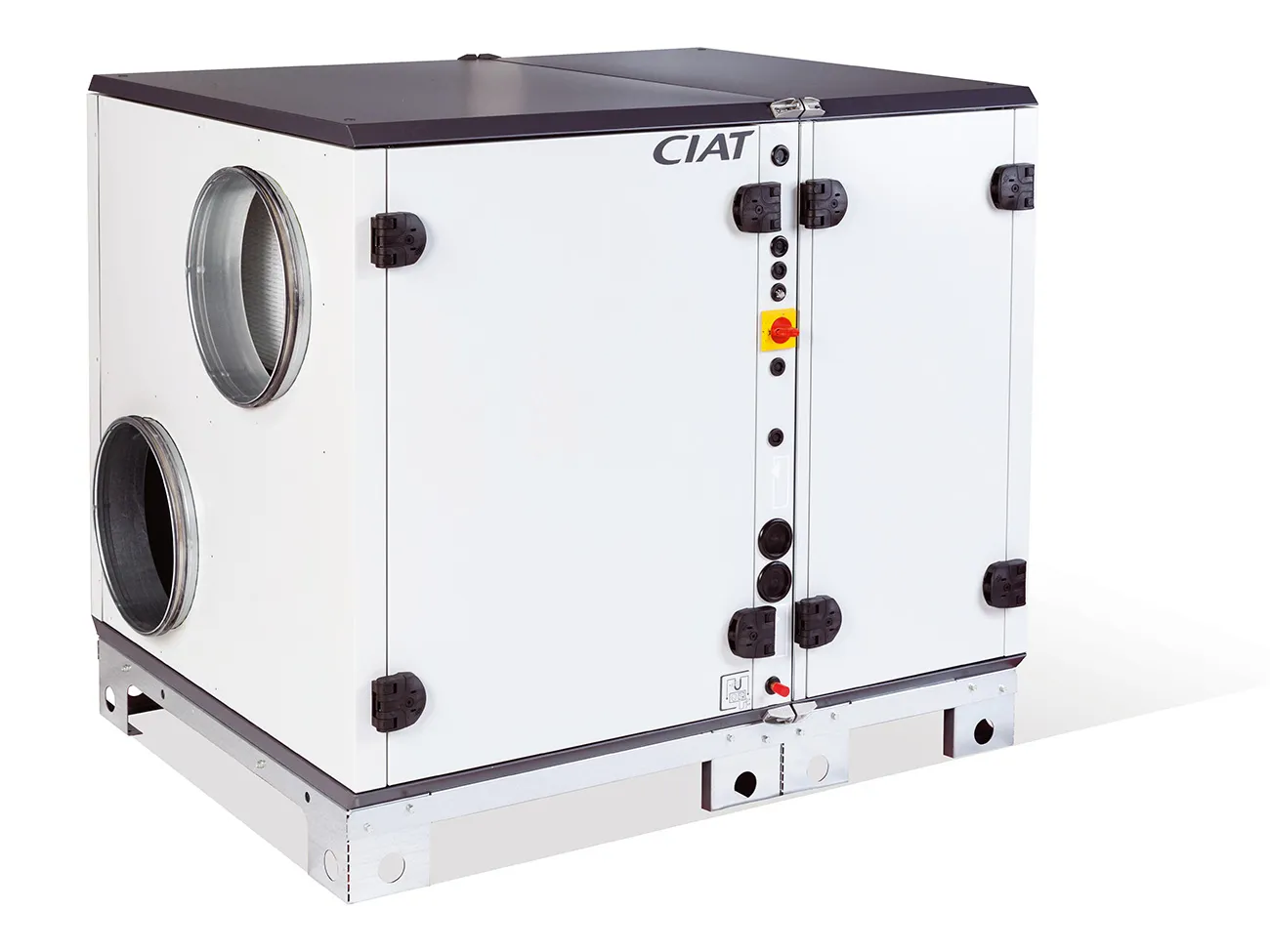
Particulate matter and ventilation
The different filtration levels are an important part of the ventilation solutions, says Tielenburg. “Our final filters and HEPA air purifiers can also efficiently capture small particulate matter. This allows us to address particulate matter, a new topic in the 2021 Frisse Scholen Programme of Requirements. We also align with the World Health Organization’s latest guidance.” The WHO has recently tightened its guideline values for nitrogen dioxide and particulate matter, as air pollution has been shown to harm public health even at low concentrations over the long term.
Under the new guidelines, a cubic metre of air can contain no more than 10 micrograms of nitrogen dioxide, 15 micrograms of particulate matter and 5 micrograms of ultrafine particles to be considered healthy. The importance of effective particulate filtration is also highlighted by Harvard University, whose recent research shows that both CO2 and particulate matter have a negative effect on our cognitive function. “Here, too, the answer is tailored ventilation.”
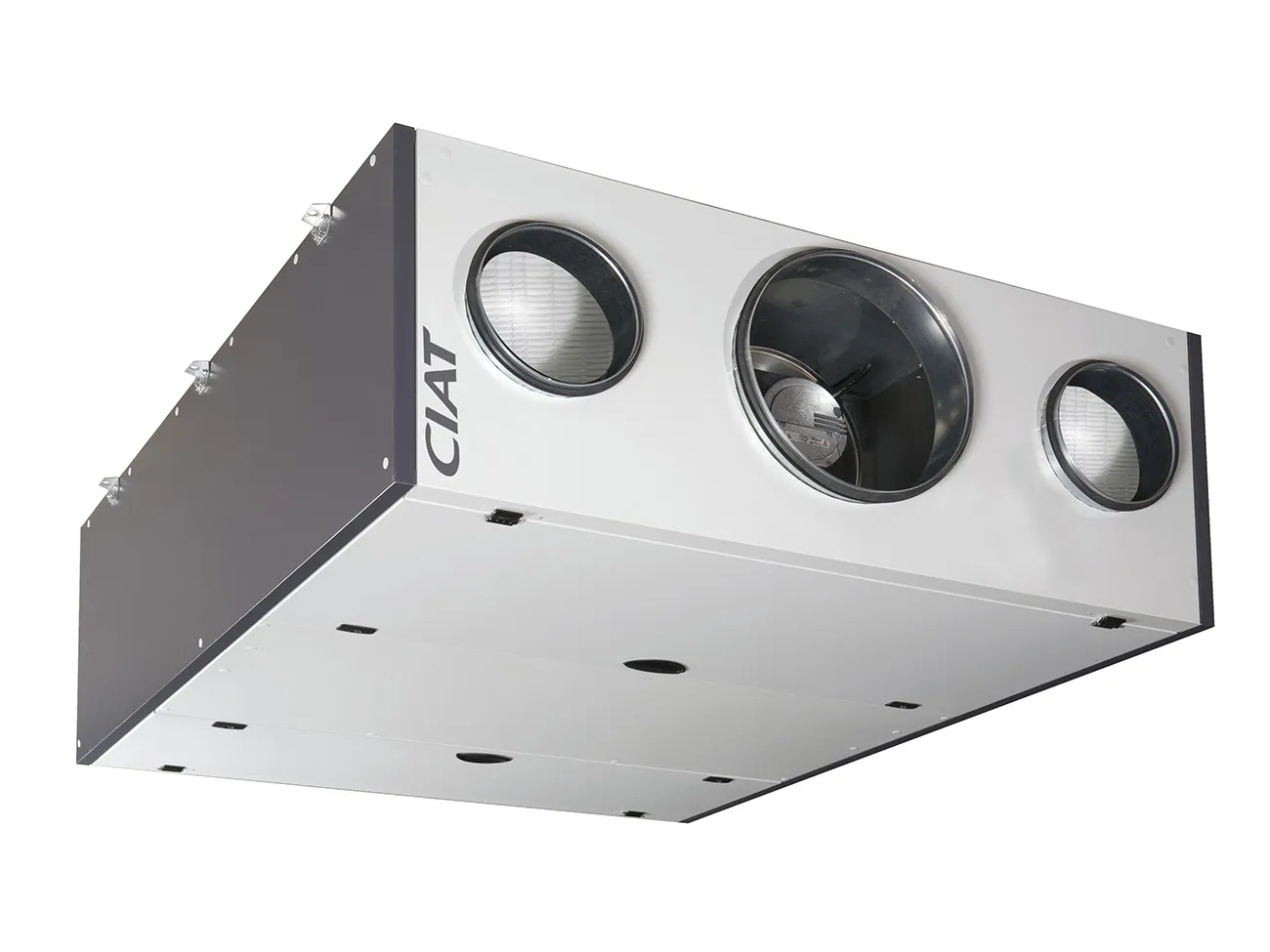
The sustainable school of the future
What makes CIAT unique is that, alongside efficiently supplying and filtering fresh air and removing pollutants, it can also offer sustainable thermal solutions. “Our solutions bring health, comfort and energy efficiency together,” conclude Mojet and Tielenburg. “We also offer comprehensive monitoring and quality assurance solutions. This enables us to deliver fully on the promise of the ‘sustainable school of the future’.”
Een zakelijke vraag aan CIAT? Get in touch
Companies in this story

Keep following this
Get an email when a new story is published. No account needed.
- ThemeHealthy indoor air
- SubjectFrisse Scholen
- CompanyCIAT