











Decision-making at schools on the back burner
A conversation with Wouter Wijma sometimes opens up a wider view of the building services industry. That is hardly surprising, as the director of Ned Air sees the day-to-day realities of the climate technology market at first hand. As chair of Binnenklimaat Nederland, he also has an unusually clear insight into the major trends in the construction sector. He has noticed a strikingly low number of applications for school ventilation, while ventilation is booming in other sectors. Meanwhile, material shortages and lead times continue to worsen….
“While filling in Ned Air’s statistics for Binnenklimaat Nederland, I noticed that in the first half of the year we produced 80 per cent more than last year. This was mainly for the non-residential construction sector, with a wide variety of clients: offices, a fish processor, distribution buildings and, interestingly, only a modest number of schools. In the latter sector, we delivered 30 to 40 per cent more. That gives you an idea of how strong growth was in the other sectors.”

Education
For schools, Ned Air has developed EduComfort, a dedicated product line of decentralised ventilation units suitable for renovation and new-build projects. The EduComfort 675, due to launch shortly, is aimed at schools where Frisse Scholen Class C applies or where there are fewer pupils than usual. The EduComfort 1000 is for schools requiring Frisse Scholen Class B. Wijma says: “With the first tranche of the SUVIS scheme now under way, I expected more enquiries. Our school range means we are ready to produce 20 to 40 units a week, but we will be making far fewer than that. I’m still not entirely sure why, but school boards and their advisers are so slow to make decisions that little will be done to improve school air quality during the coming autumn half-term. Another missed opportunity. The overheating indicator (TOjuli), recently introduced as part of BENG, does give us an advantage in the new-build market. Demand for cooling is increasing, and we are still the only supplier able to provide decentralised units with cooling that can be installed beneath the ceiling. Installer Klaver is currently installing 20 of these EduComfort 1000 units in a school in Purmerend. At least the pupils there will be comfortable through any hot spell at the end of summer.”
Electronics ordered in time
Meanwhile, material shortages continue to hold the construction industry in a tight grip. Wijma says: “That’s right, materials are in extremely short supply while demand remains high. We are having particular problems processing aluminium. The order book is full, supplies are limited and processing takes longer than, for example, steel. Fortunately, we anticipated the shortage of electronics. At the beginning of this year, Ned Air placed an order for a full year’s supply of production electronics, and deliveries are coming through as planned. These days, 80 per cent of air handling units leave the factory complete with a control unit, compared with 50 per cent a year ago. We can deliver those as planned.”
Lean Six Sigma
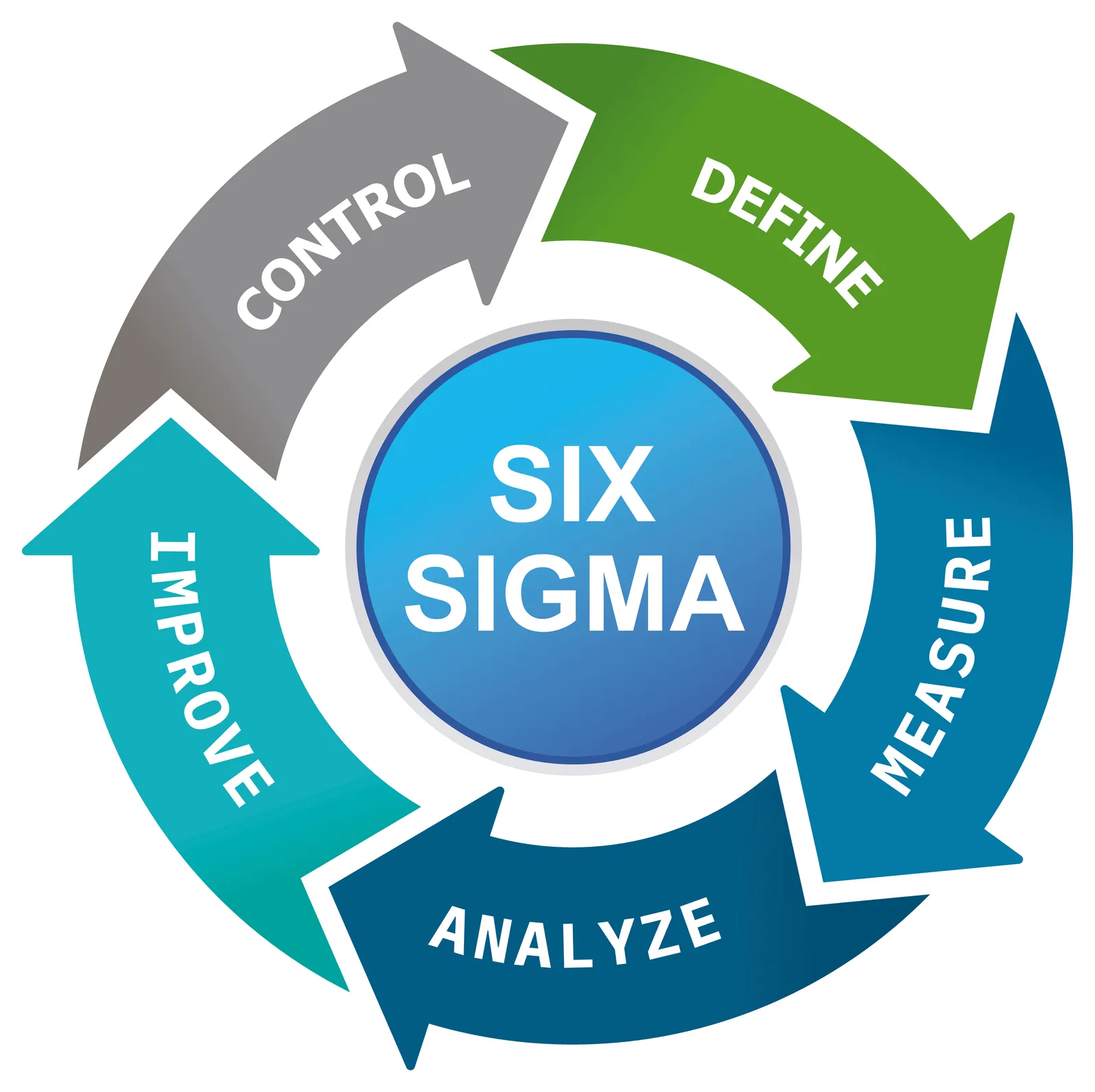
In the background, Ned Air is also constantly working to improve and strengthen its operations. Wijma says: “Our ongoing improvement programmes are beginning to pay off. Quality is improving enormously, as is production speed. We intended to cut lead times from four to six weeks to two to three weeks, but the current supply problems mean that is not yet possible. We have embraced Lean Six Sigma, which means we measure a great deal and know more, for example about which products are harder to manufacture and where bottlenecks and disruptions occur. With all that information, you can keep making adjustments and greatly improve and speed up the production process. But it will take a little more patience to organise logistics intelligently on a project-by-project basis, with just-in-time delivery. With uncertain lead times that can sometimes reach 20 weeks, it simply isn’t feasible.” And finally: “Construction is still booming, but I expect a significant downturn. I suspect many sectors, such as hospitality, will not be investing for the time being. In my view, that will cause a decline in construction output in the first half of next year.” We’ll revisit this prediction in a year’s time.
A business enquiry for Ned Air? Get in touch
Companies in this story
Keep following this
Get an email when a new story is published. No account needed.
- SubjectGeneral
- CompanyNed Air







