











Helping to develop the first electric racing car
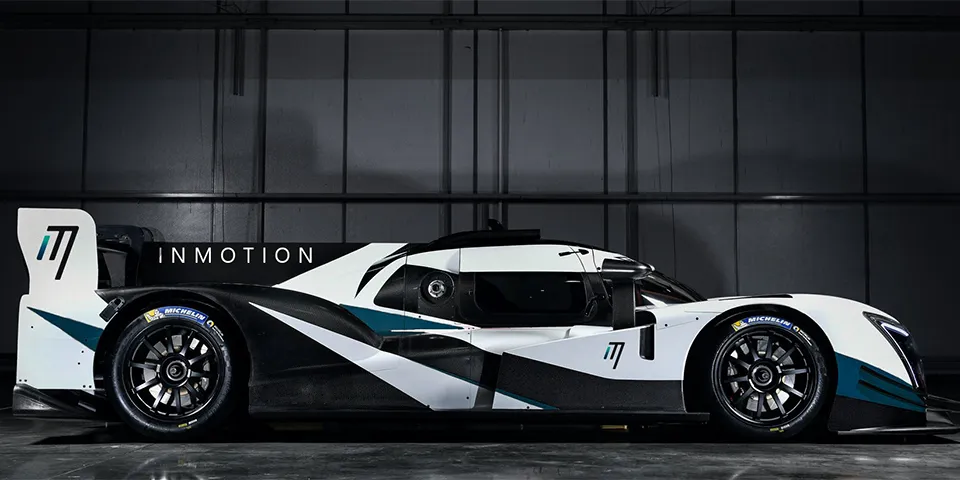
When student team InMotion approached Centercon for help developing a solution to cool the battery system in its electric racing car, Centercon didn’t hesitate. What could be better than making an essential contribution to such an innovative project? The ambition goes beyond achieving optimum performance at the 24 Hours of Le Mans. The bigger goal is to make charging electric cars as fast and easy as refuelling.
When the fully electric racing car takes to the track for its first test runs soon, Perry Tijssen will no doubt be trackside to see how ‘his’ cooling solution performs. The account manager for refrigeration technology has been involved for several months in this special project by InMotion, the student team from Eindhoven University of Technology. “They’re incredibly enthusiastic young people working hard to make this project a success. At Centercon, we’re naturally pleased to contribute our expertise and refrigeration components,” he says.
Fast charging is InMotion’s bigger goal. It currently takes well over half an hour to charge an electric car, but with the technology they are developing, it will soon take just a few minutes. “If we succeed, we’ll remove the biggest barrier to switching to electric driving. That would be a fantastic achievement. The 24 Hours of Le Mans will show us how this technology performs under extreme conditions. We’re working towards that in stages,” says Luc Siecker, the team’s marketing & HR manager.
Expansion valves and control valves
The biggest challenge in achieving this goal is cooling the battery system. The faster you charge, the hotter the battery pack gets. The 360 battery cells, spread across 30 battery modules, must not get too hot, and the coolant must be distributed evenly across all the modules.
This is where Centercon comes in. Tijssen says: “They asked whether we could calculate the expansion valves and control valves for the two refrigeration compressors. They generate a lot of heat, which means the valves need to provide a high cooling capacity. To reduce the risk of damage to the compressors, I also advised installing two liquid separators. That’s how we’re gradually working together to meet their needs.”
He can tell that his expertise and input are greatly appreciated. “They know everything about building a racing car, but they rely on me for the refrigeration technology. Given the unusual application, I get questions I’d never normally be asked, but they pick things up quickly and their enthusiasm is infectious.”
Sixty partners
Centercon is one of 60 partners helping InMotion realise its dream. “Some contribute expertise and services, others provide products, and some support us purely financially,” says Siecker.
In just over two years, the 24 Hours of Le Mans will show whether the students have achieved their ambition. Centercon will certainly help them get there, step by step. Tijssen says: “After the first test runs, we’ll see whether the components already installed meet our requirements. If everything looks good, great. Otherwise, we’ll go back to the drawing board. So we’ll be working on this for a while yet!”
Would you like to find out more about InMotion and the project? You can read all about it at www.inmotion.tue.nl
Question about this story? Ask your question
Companies in this story
Keep following this
Get an email when a new story is published. No account needed.
- SubjectGeneral
- CompanyCentercon







