











Installers, take the lead!

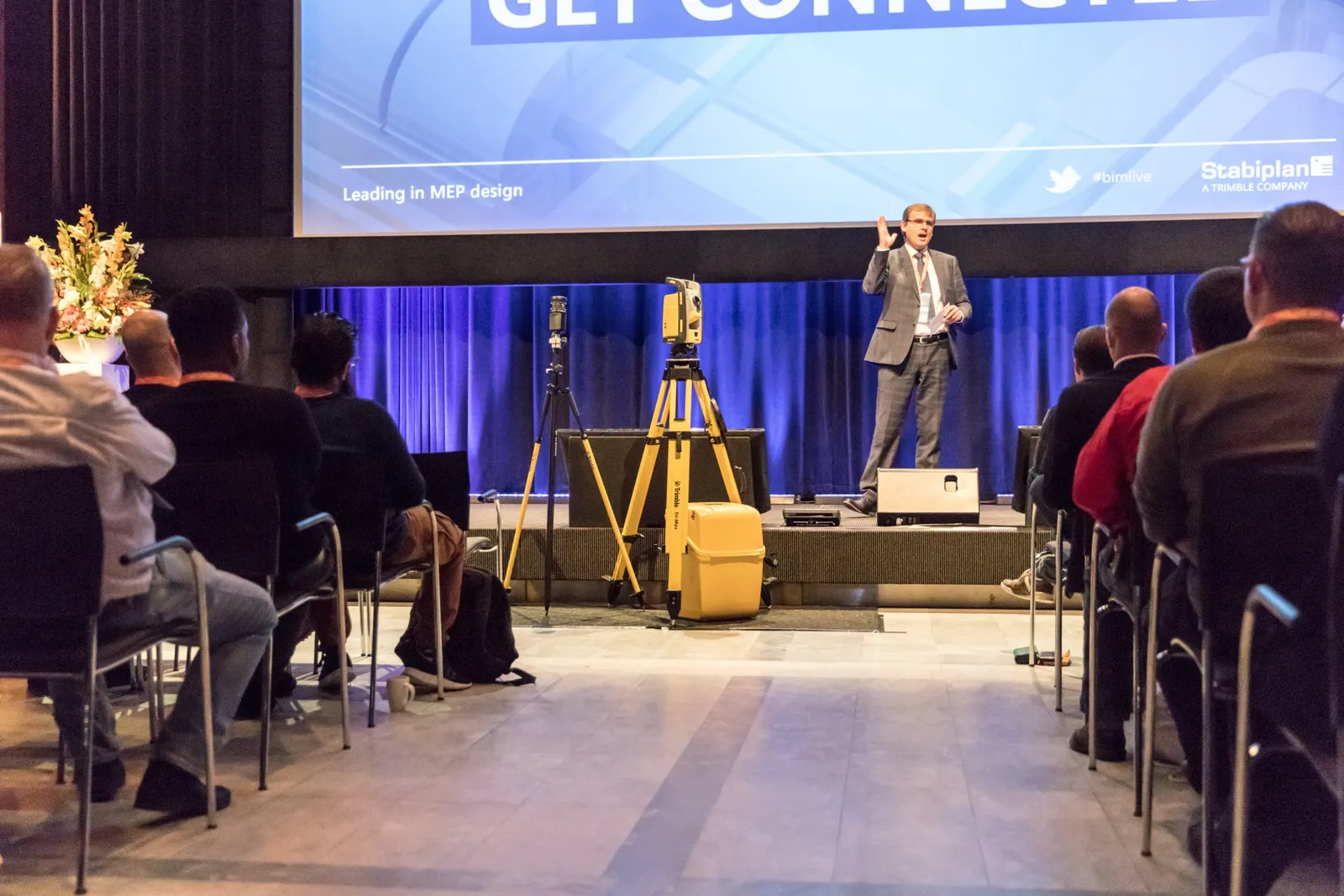
Get more work done with fewer people and reduce construction rework costs: it can be done! At SUM, Ruud Kats, sales director at Stabiplan, explained how installers should take the lead.
“The construction sector does not take safety seriously” was the conclusion of the report by the Dutch Safety Board following the collapse last year of the car park in Eindhoven. In this project, meeting the schedule and limiting losses took priority, meaning no thought was given to the consequences of the unusual structure. This sends an important message to the construction industry: focusing solely on costs risks losing sight of other matters.
Buy cheap, pay dear
In tenders, the lowest price is often the deciding factor, which can come at the expense of safety and quality. This makes it difficult to deliver high-quality projects and can therefore end up being costly. This needs to change, was the message at the “BIM for managers” session at SUM, and installers can make a difference.
At the table with the client
It starts when the quotation is prepared, Ruud explained: “Instead of putting together the lowest possible price as quickly as possible, installers should offer added value and sell options. Think in terms of possibilities, not costs. By working with the client from the outset, a higher price for a better installation can be justified. Installers should therefore sit down with the client, show them the options and discuss the costs. Designing more efficient or higher-quality installations saves money in the long term. It may cost more upfront, but it more than pays for itself.”
Maintaining the model
One example discussed during the presentation was maintaining the BIM model. Just as cars need to go to the garage from time to time and central heating boilers need servicing to keep working, BIM models also need maintenance. To keep a BIM model usable for several years, it needs continued support from new software versions. Maintaining the BIM model requires attention, and this should be taken into account from the outset. Discussing these kinds of issues with the client makes the costs clear and prevents problems in the long term.
“Think in terms of possibilities, not costs.” Ruud Kats at SUM 2018
Added value through BIM
BIM is an important way for installers to offer added value, and they need to sell this to the client. There is a misconception that BIM is only about creating “nice” 3D drawings. Ruud: “BIM is about both visualisation and information. It is about using information efficiently throughout the entire construction cycle: from the initial design and schematic diagram, through calculation and modelling, to placing orders, prefabrication, building management and maintenance. Working with BIM may cost more upfront, but it gives you much greater control over costs and the schedule. BIM makes visible things that are overlooked in a traditional process. It results in far less stress and greater continuity, because the model is accurate.
What does this look like in practice? In residential construction, for example, an installer can offer different options at the outset and visualise them with BIM. Or offer heat pumps as part of a BREEAM project. This prevents you from having to add a heat pump at the end of a project, when it no longer fits in the plant room. By discussing these kinds of issues in advance and including them in the model, installers create added value and prevent costly last-minute changes.”
Invest in productivity
Anyone looking to maintain a strong market position and deliver great projects should think in terms of possibilities rather than costs. With draftspeople under pressure and staff turnover high, it is particularly important to invest in this area. Ruud: “Make sure your company continues to innovate and offers interesting projects and training. Many companies currently send their modellers on a training course once every five years, even though technology is advancing much faster. Investing in knowledge and expertise keeps staff productive and motivated. Companies that invest in their employees can get up to 50% more done in the same amount of time with the same people.”
Another important way to boost productivity is to use technology intelligently. There was a time when technology could not deliver on BIM’s promise, but now it can. Ruud: “At Stabiplan, we now offer solutions from A to Z: design a BIM model using Stabicad for Revit and the right MEP content, collaborate with other parties via Trimble Connect, use a robot to set out installations quickly from the model, and then import the information back into the model using, for example, a point cloud. This completes the workflow, makes your work more efficient thanks to BIM, and ensures the model is up to date for the period ahead when the project is handed over.”
An opportunity for installers
With the construction industry under pressure, installers can make a difference. Investing in people and technology makes it possible to get more work done with fewer people while keeping costs under control. BIM also enables installers to add value for both their own employees and the client, so they can work together to design, deliver and manage better building services. “It’s now up to installers to take the lead,” Ruud concluded: “Put yourself in the client’s shoes and sit down with them. What can you offer the client? Offer options, think along with them and create added value.”
Question about this story? Ask your question
Companies in this story
Keep following this
Get an email when a new story is published. No account needed.
- SubjectGeneral
- CompanyTrimble







