











On the road to an efficient, sustainable future
New directives and regulations are turning the lighting industry upside down
Lighting manufacturer LEDVANCE continuously develops its products in response to market demand, while also focusing on efficiency, sustainability and safety. New developments are now gathering pace as a result of the new RoHS directive and the ELR and SLR regulations.
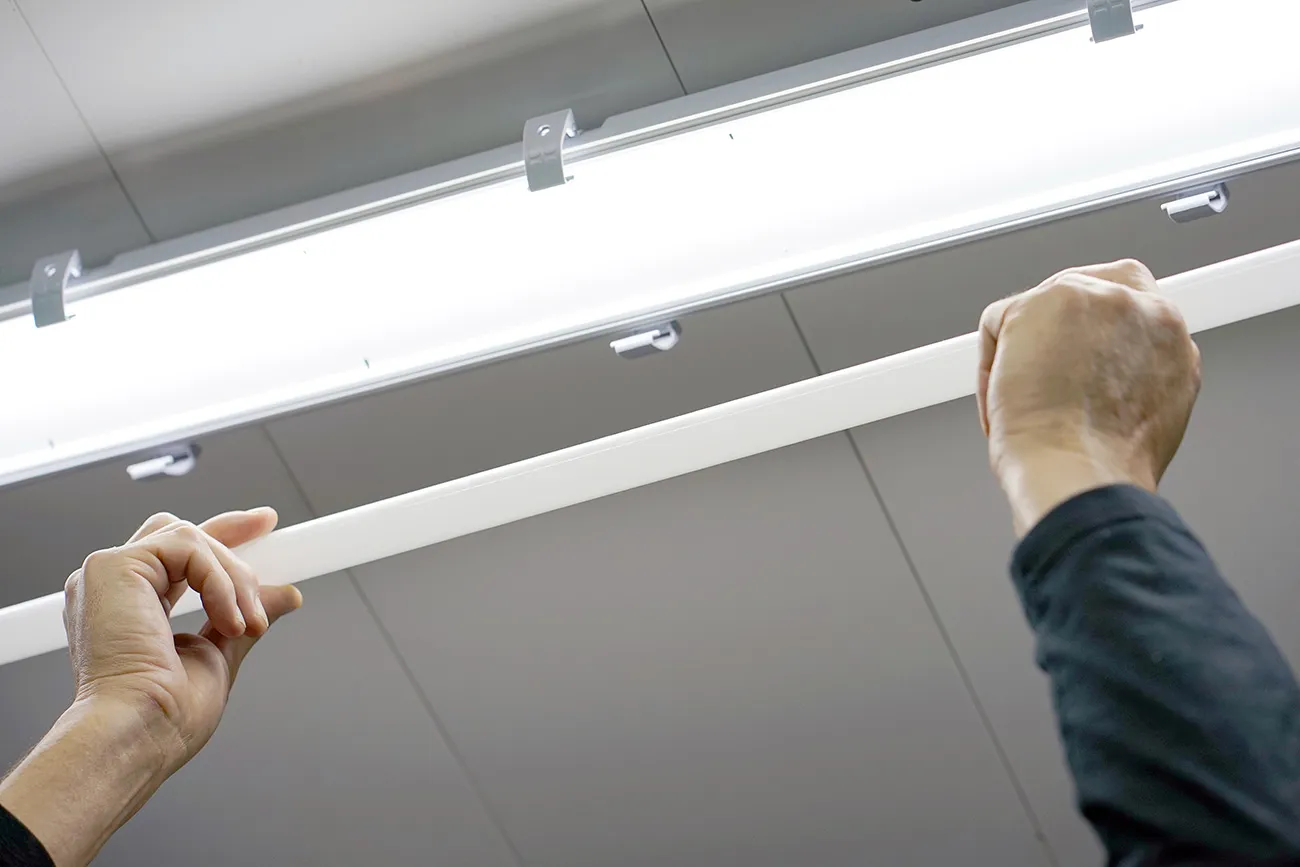
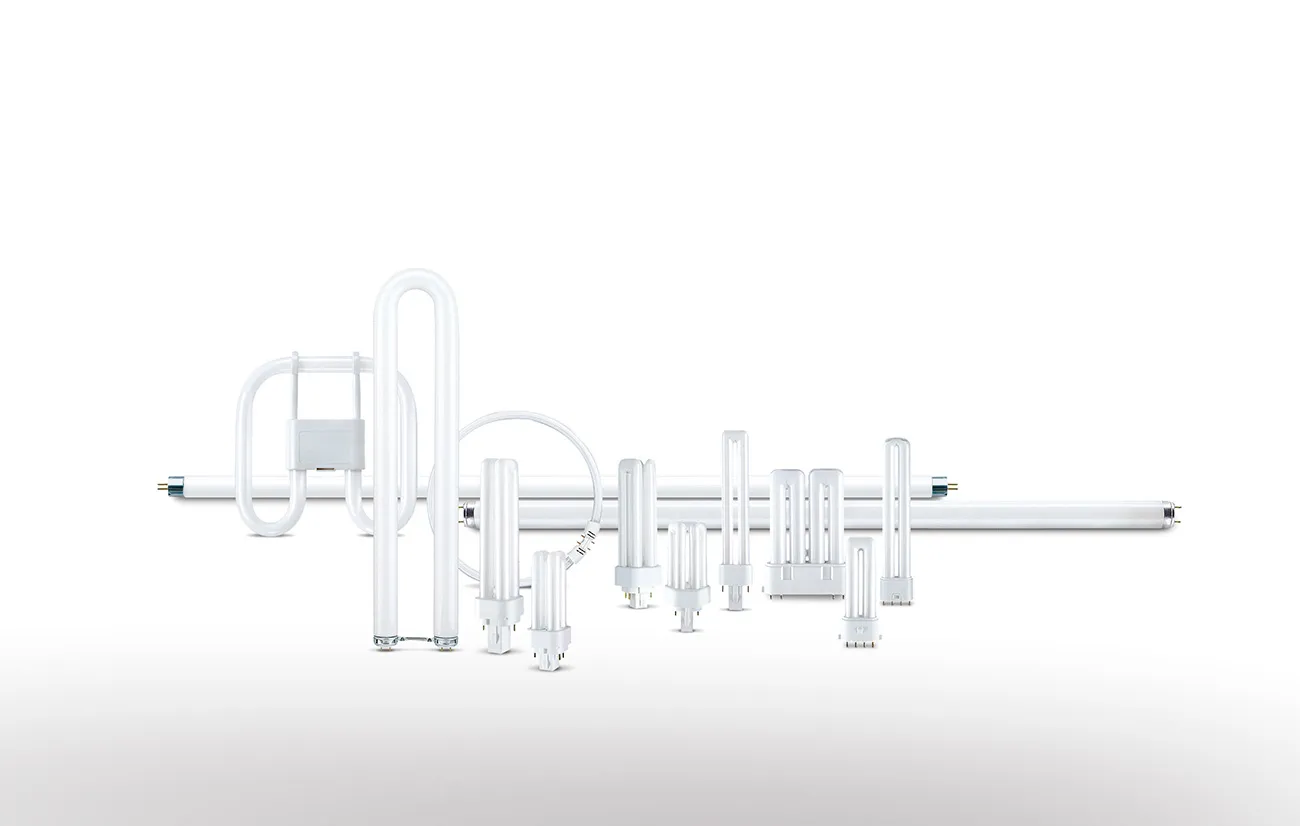
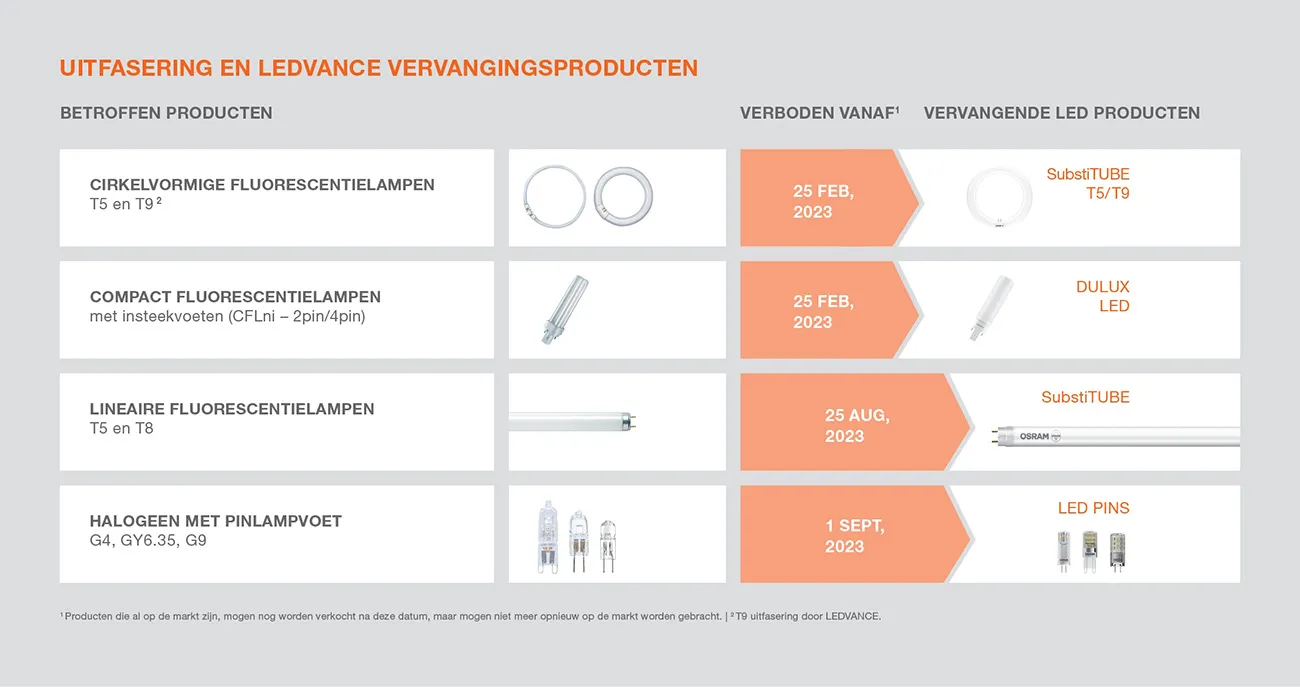
RoHS (Restriction of Hazardous Substances) is a European directive designed to restrict the use of hazardous substances in electrical and electronic equipment as far as possible. “In the lighting industry, we see RoHS primarily as the mercury ban. Mercury is one of the hazardous substances that will be prohibited under this directive,” says Jan-Pieter Heimgartner, Technical Customer Support & After Sales Benelux at LEDVANCE. “From August 2023, T5 and T8 fluorescent tubes may no longer be placed on the market. Yet these types of lighting are still widely used in offices, workshops, warehouses and garages, among other places. Compact fluorescent lamps are also still widely used in corridors and offices, and their production will already be banned from March 2023. Over the coming years, all these light sources will need to be replaced with LED alternatives. This will have a major impact on the entire lighting industry, from manufacturers to installers and end customers.”
Fully dimmable
To make replacement as straightforward as possible, LEDVANCE is developing LED tubes and LED plug-in lamps that can be swapped one for one. “However, this is not always possible,” says Heimgartner. “In some cases, the luminaire itself must be modified or replaced. We do our best to help find the right solution. What is the best option for each luminaire, including its specific electronics? And how can we reduce energy consumption even further by making smart use of daylight controls and lighting management systems, for example? Our latest LED system tube is already ideally suited to this. The LED tube and LED driver are fully dimmable, allowing us to manage our energy consumption more consciously. These and other developments will be presented to the public for the first time at the Light + Building trade fair in Frankfurt am Main from 2 to 6 October.”
A busy time
“Of course, we knew that the ban on mercury-containing lamps was coming,” Heimgartner stresses. “We had already started preparing for it. But no one in the market expected things to move so quickly. The production ban on mercury-containing lamps was only announced in Brussels this year and takes effect next year. We are doing everything we can to inform the market. We are also accelerating the development of our product portfolio so that all the necessary LED products become available as soon as possible. Naturally, we are making no compromises on quality, sustainability or safety. It is a busy time for R&D, which is also having to address new requirements such as the LPD banning.”
Focus on the environment and users
The LPD banning relates to the new EU regulations on Energy Label Regulation (ELR) and Single Lighting Regulation (SLR), which aim to protect both the environment and users, and to improve the sustainability and recyclability of products and packaging. “The regulations introduce new requirements for product labelling, among other things,” says Heimgartner. “Manufacturers must ensure that the EPREL database is clear and easy to use, so that all product information can be easily found and downloaded. In addition, substantial energy and CO2 savings must be achieved across the lighting industry as a whole: 41.9 Twh of energy and 16.1 million tonnes of CO2. These are ambitions we are happy to commit to. In recent years, we have already replaced our bleached cardboard packaging with 100% recyclable cardboard. We are also working actively with our supply chain to find ways to make packaging flows and transport even more efficient.”
Sustainable and easy to disassemble
One fundamental change introduced by the EU regulations is the requirement to improve the quality of luminaires and light sources. “To meet our CO2 and energy targets, we must move from a throwaway society to one based on reuse. This means that every component of a lighting fixture must soon be easy to replace using standard tools, from light sources to covers, LED modules and drivers. This affects not only our choice of materials, but also product design and our stock. After all, we must now be able to supply spare parts over the long term,” says Heimgartner. “Quality also relates to the stroboscopic effect and flicker, both of which need to be greatly reduced. LEDVANCE’s LED light sources already meet the requirements that will apply from 2024.”
Een zakelijke vraag aan LEDVANCE: POWER THROUGH LIGHT? Get in touch
Companies in this story
Keep following this
Get an email when a new story is published. No account needed.
- ThemeBuilding electrical systems
- SubjectGeneral
- CompanyLEDVANCE: POWER THROUGH LIGHT







