











Powered Fiber is the solution for longer distances with Power over Ethernet
The longer distances and wider use of Power over Ethernet (PoE) are quickly pushing the capabilities of current copper cables to their limits. US company CommScope has developed a solution that makes it quick and easy to connect devices such as Wi-Fi access points and cameras at access gates and bridges to a digital network.
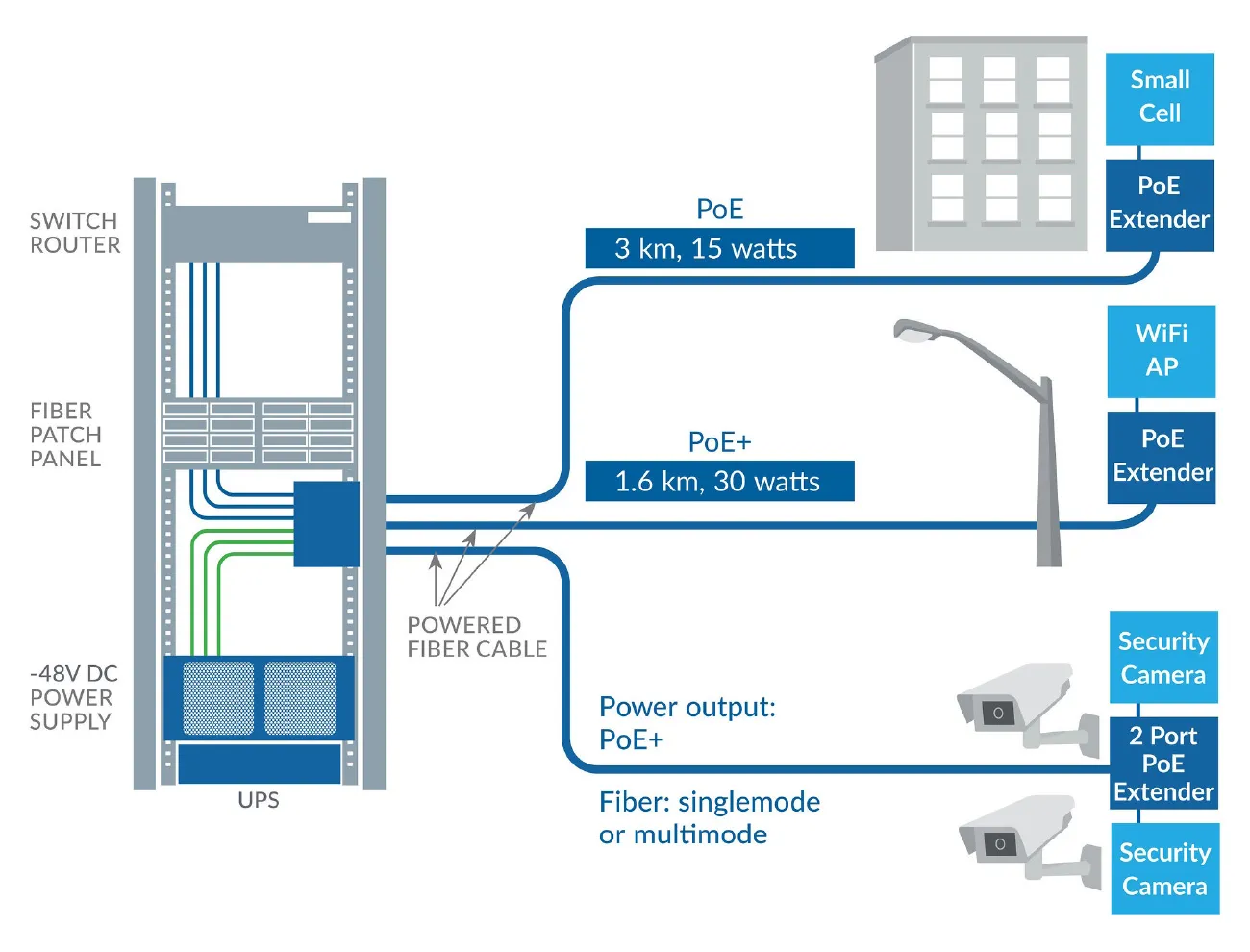
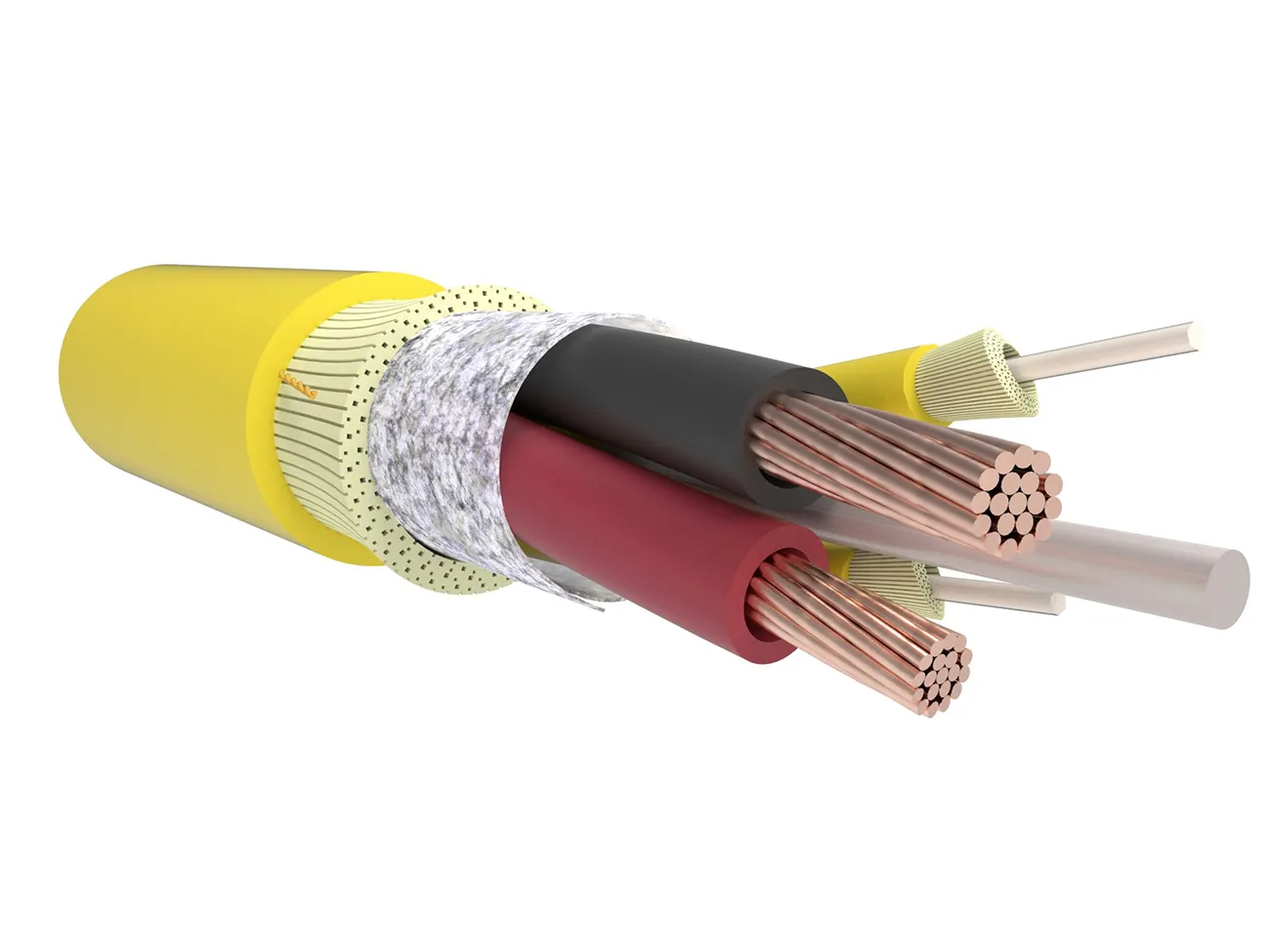
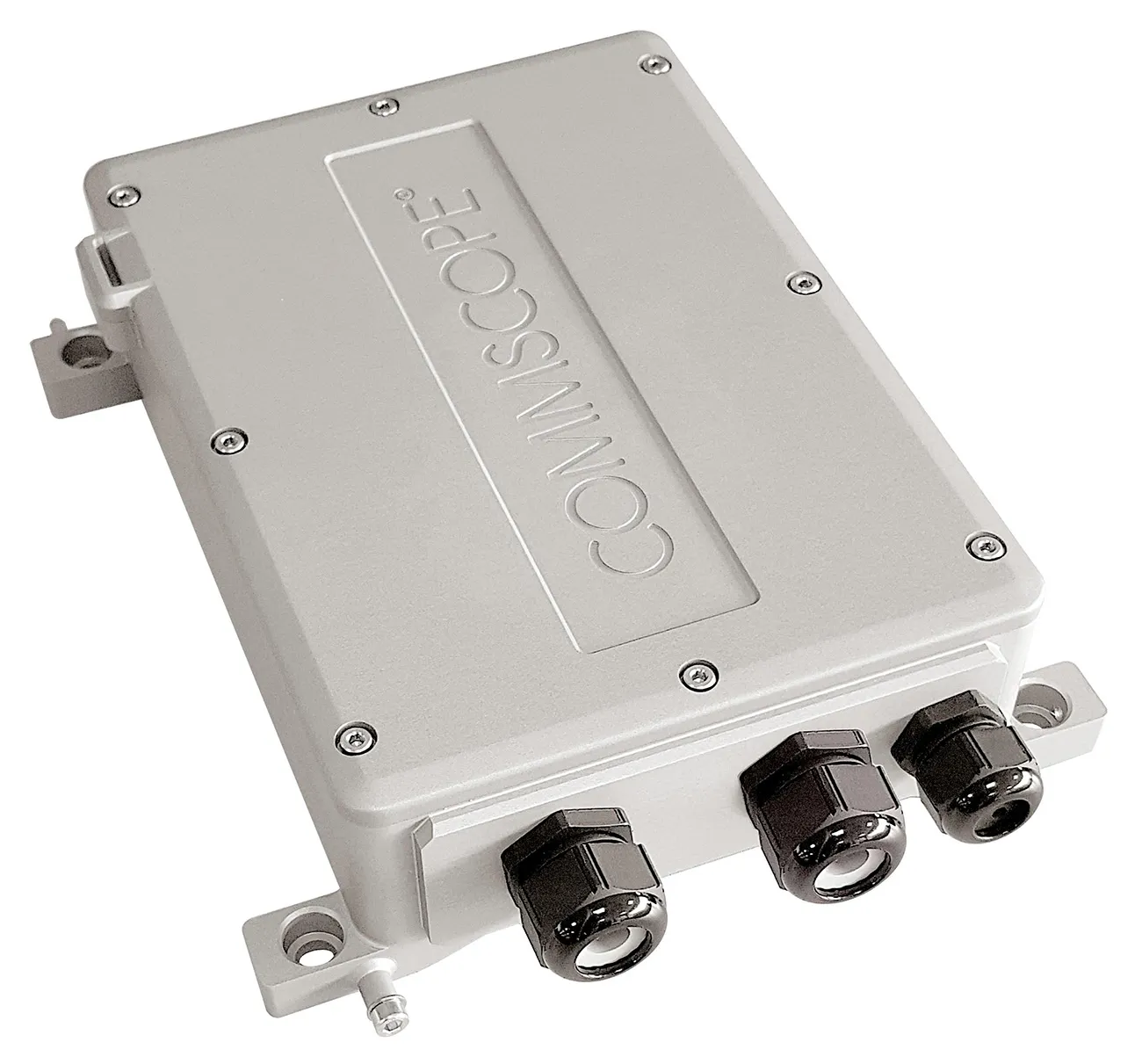
Cameras are playing an increasingly important role. Not only in security, but also in monitoring the safety and proper operation of bridges, for example. Because of the limited distances they can cover, copper cabling is not suitable for displaying camera footage in high resolution, particularly when cameras are located further away from a building. Rather than installing new copper cabling, US network infrastructure provider CommScope has come up with a different solution: the Powered Fibre Cabling System. Barend van de Lagemaat, Systems Engineer Infrastructure at CommScope, explains the new system: “Current copper-based network cabling has a maximum range of 100 metres. Our Powered Fibre Cabling System uses a hybrid cable that provides fibre-optic connectivity and power connectivity to supply devices with electricity. This combination makes it possible to connect equipment without installing 230 V power cables.”
The fibre-optic connection allows the device to be linked to the existing network using a standard TCP/IP protocol. This could be a camera, for example, or a way to provide strong Wi-Fi coverage across an entire campus. The system currently has a range of 1.6 kilometres with a 30-watt load, and up to 3 kilometres with a lower load. “It works very well for an access control system with a camera,” says Lagemaat. “Thanks to the fibre-optic cable, the camera provides security staff with high-resolution footage directly.”
Cable for data and power
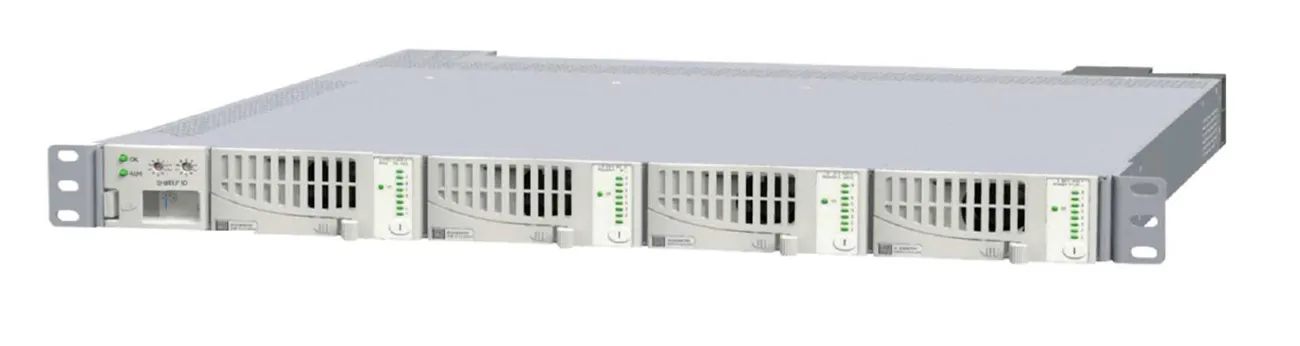
Rexcom, a distributor of CommScope products, has already seen strong interest in the new system from businesses. “The major advantage of this system is that one cable carries both data and power,” explains Tjeerd Brandsma, technical support at Rexcom. “The direct current, at a maximum of 57 volts, makes the system safe.” The company, based in Nijkerk, has already completed several projects in the Netherlands using the system. “It can be used to extend a building’s network. For example, we used it to provide perimeter security at a financial institution,” says Brandsma. “It can also provide power and a data connection for a camera on a bridge, so that it is clear whether the bridge can be raised or lowered. This safeguards the safety of both road traffic on the bridge and shipping. We have used the system on bridges in Amsterdam, for example. In the past, passing trams caused interference on the copper cables in place, but this is no longer an issue with the Powered Fibre Cabling System. That is because fibre-optic cabling is immune to external interference.” Van de Lagemaat adds: “We also expect strong interest from businesses with storage and transhipment sites. They too want to keep a close eye on their assets.”
More and more sensors
However, the system is not just for connecting cameras, says Brandsma. “It can also be used for intercoms and access control, or indeed any device powered by Power over Ethernet (PoE). We are seeing more and more sensors, and this system can provide a good solution for them too. We are also finding that more and more businesses, including airports, the hospitality sector, healthcare and transport, have demanding connectivity requirements. The CommScope Powered Fibre Cabling System is ideally suited to meeting them.”
Question about this story? Ask your question
Keep following this
Get an email when a new story is published. No account needed.
- SubjectGeneral







