Glycol as frost protection for water-based cooling systems
Text Lieke BousemaImage Conpro Condensor Bescherming
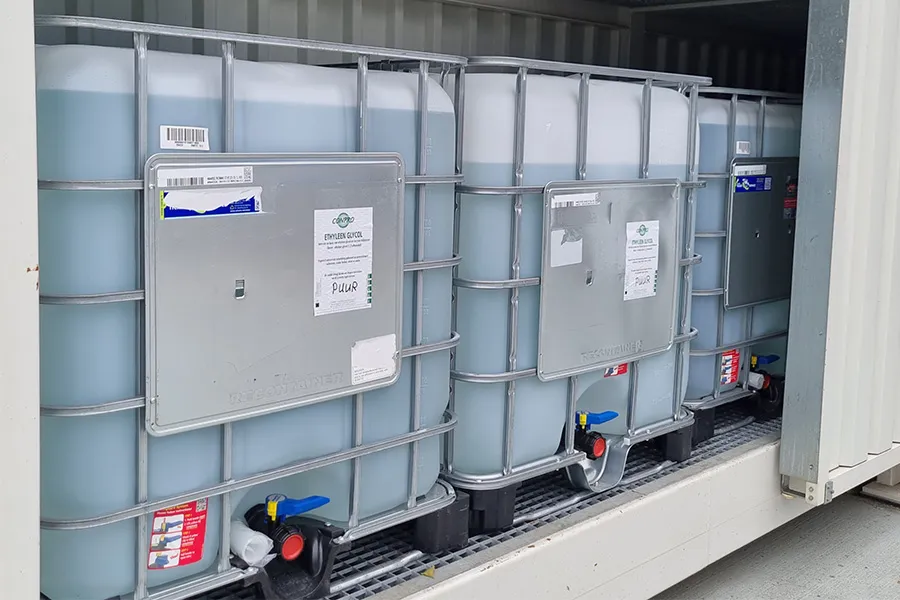
Glycol is regularly used as frost protection in water-based cooling systems. “Glycol is a chemical product derived from oil and natural gas,” says Timon Bol of Conpro Condensor Bescherming. “There are two types, Mono Ethylene Glycol (MEG) and Mono Propylene Glycol (MPG), which, like petrol and diesel, must not be mixed. That is why specialist knowledge is essential when topping up and replacing glycol in these systems.”
In common parlance, MEG is regarded as the environmentally unfriendly type of glycol and MPG as the environmentally friendly one, but neither product may be discharged into the environment. “Used glycol must be disposed of carefully and handed over to an authorised waste processor,” says Bol. “That is why we always provide a waste transfer certificate for ‘spent coolants’.” According to Bol, switching glycol types is not a straightforward technical matter because the mixing ratios with water differ. “This creates a risk of changing the viscosity, or thickness, of the medium. If this has not been allowed for in the design, meaning the engineering is based on a particular viscosity, using a different medium can cause problems. Pumps, pipes and other components, for example, may no longer achieve the required design capacity.”
Restoring the mixing ratio
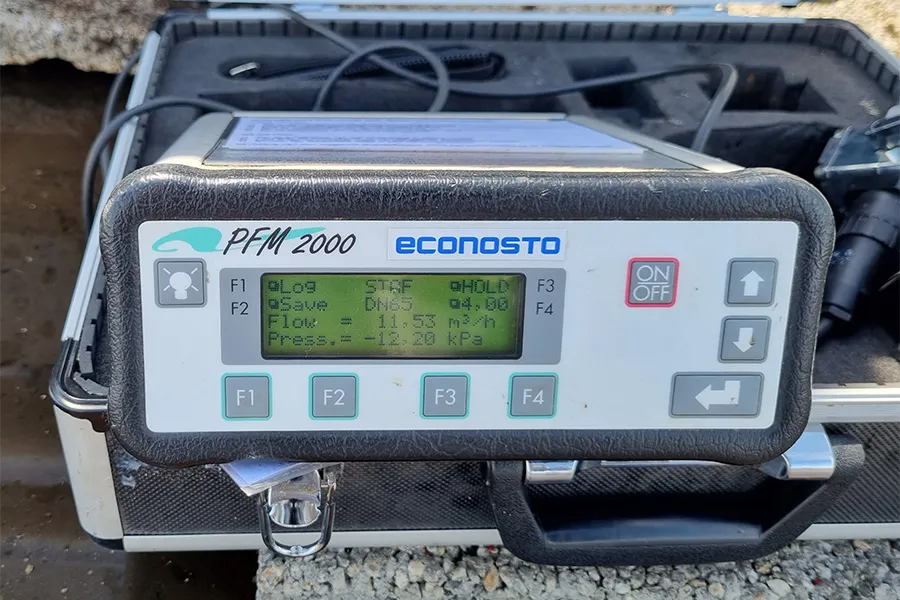
Glycol can deteriorate over time. “In this case, it retains its frost-protection properties, but acidification can lead to internal scaling and corrosion in the pipes,” says Bol. “Its heat storage capacity may also decrease.” By taking a sample and analysing it in a laboratory, Conpro Condensor Bescherming can check the glycol mixture against the required parameters and determine the quality of the medium. “This service is particularly cost-effective for large systems, as in many cases the mixing ratio can be restored to the correct level by adding glycol or additives such as corrosion inhibitors. In that case, there is no need to flush the entire system, replace the glycol mixture and dispose of the old glycol.” In smaller systems, it may be more cost-effective to replace the glycol mixture straight away.
Complete service
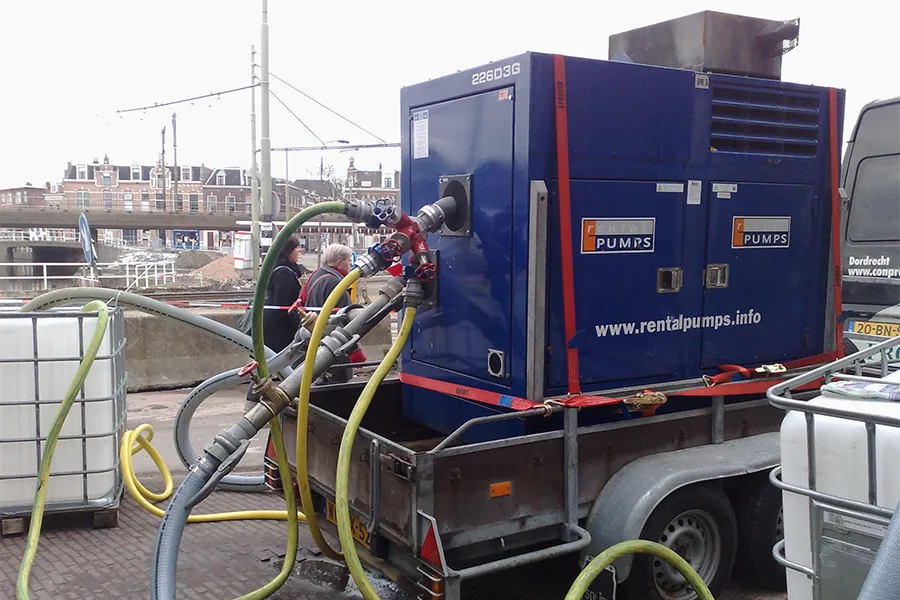
“Most water-based cooling systems in our sector use MEG,” says Bol. “These systems often have a glycol concentration of 30% to provide the right frost protection, at around -18°C. In this case, a 30/70 glycol mixture is required.” Conpro Condensor Bescherming supplies pure glycol and water/glycol mixtures in quantities from 25 litres up to full tanker loads. “As well as supplying the products, we also clean systems and pump in new glycol and water/glycol mixtures. Specialist knowledge is essential, as a plan of action is usually expected at short notice. Unfortunately, this cannot yet be taken for granted. We are currently working to repair a system where a third party pumped the glycol into the wrong side, the inside. As a result, the glycol failed to provide frost protection. This was rectified at a later stage, but by then the system had already been damaged. It is our job to put things right in a lasting way.”
Question about this story? Ask your question
Keep following this
Get an email when a new story is published. No account needed.
- SubjectProduct information