‘Luxury homes can take a leading role’
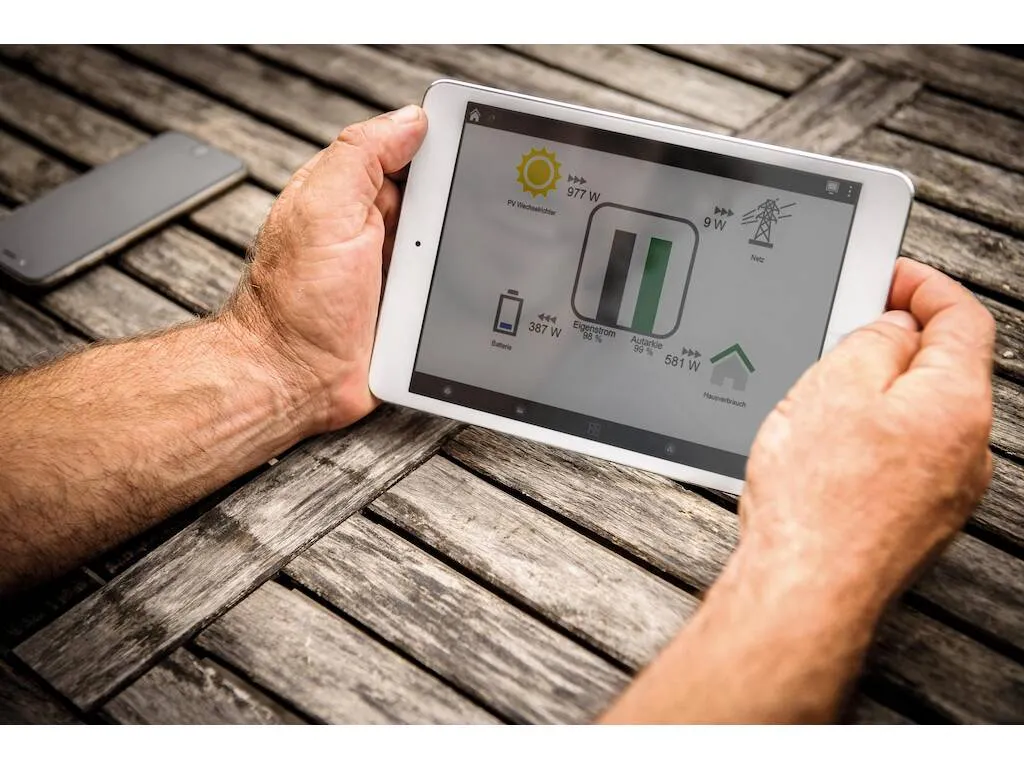
Energy storage is essential, but is not currently a priority in the Netherlands because of the net metering scheme. “Viable business cases for home batteries are still a long way off,” expects Ed van Dalen, Business Development Manager at Hager. “Especially if subsidies are not forthcoming. One exception is systems for luxury homes of 250 m2 and upwards. We are introducing Home Power Station specifically for this market: a home energy storage system that guarantees an optimum in comfort, security and sustainability.”
With Home Power Station, Hager is targeting around 6,000 homes in the Netherlands where significant progress has already been made in sustainability and electrification. “In most cases, the residents have already invested in a heat pump, an electric hob, one or more electric cars, an electric gate and an extensive security system,” says Van Dalen. “They need a grid connection of 3x50A or more to ensure they have enough power even at peak times. However, in large parts of the country, it is no longer possible to upgrade the grid connection because of congestion. This problem is only getting worse as electric mobility takes off and we move towards 4 million PV systems on homes. We expect the pressure to become too great, forcing self-generation and storage of energy to become the new norm. Luxury homes can take a leading role in this. Home Power Station enables residents to effectively manage peak demand, Van Dalen emphasises. “As a result, in most cases, they can even step down one connection size. For example, by switching from 3x50A to 3x25A, they can save around 1,200 euros a year, creating an attractive new business case.”
Backup power supply
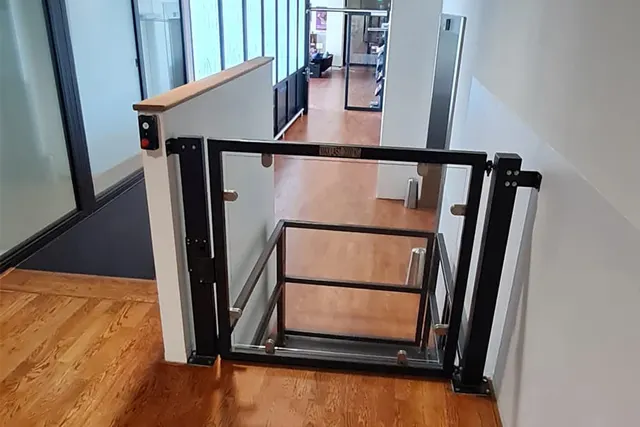
Those who choose Home Power Station also benefit from several attractive extras, says Van Dalen. “A major advantage of Home Power Station is that the system can provide backup power. If the electricity grid unexpectedly fails, the system can continue operating using its internal batteries and connected solar panels. As the system can continuously deliver 9 kW in backup mode, it will at least supply power to all the essential installations in the home. These include lighting, the fridge, the heating system, CCTV and the electrically operated gate. What’s more, investing in Home Power Station means investing in the future.”
All-in-one system
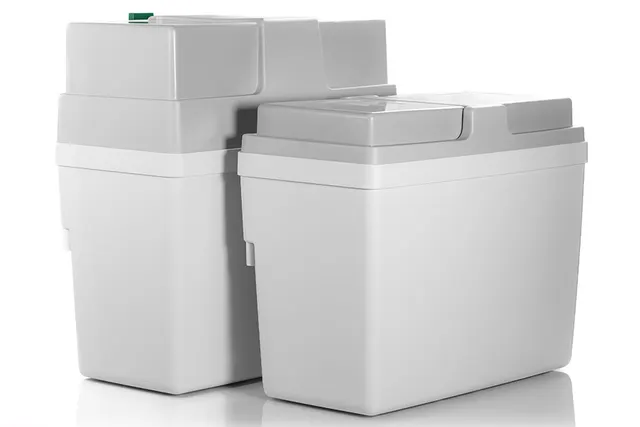
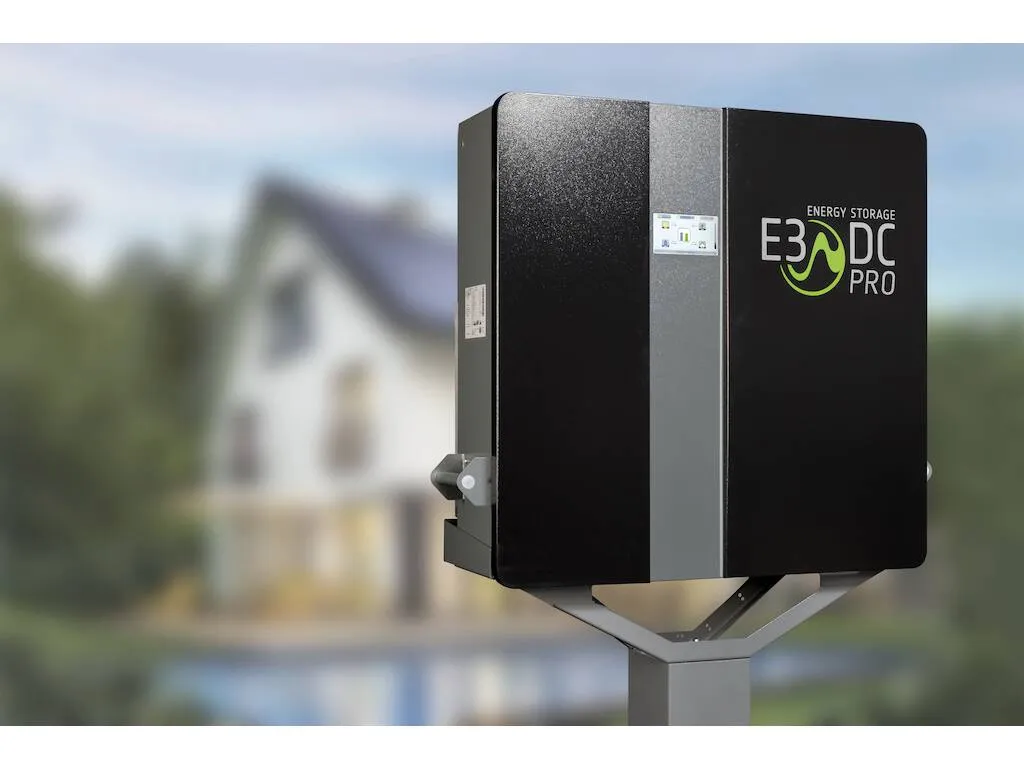
Home Power Station measures 100 x 100 x 50 cm (LxWxD) and weighs 260 kilos in its most comprehensive configuration. The all-in-one system comes with lithium-ion batteries, an inverter and a battery management system as standard. The battery capacity can be expanded modularly to a maximum of 38 kWh, as required, says Van Dalen. “As the PV panels are connected directly to the system, there is no need for a separate inverter, eliminating two conversion steps. This improves the system’s efficiency. A unique feature is that it is a fully three-phase system, so energy is distributed evenly across each phase. The integrated software allows for extensive user configuration. A battery management system protects and monitors the connected batteries 24/7 to prevent overcharging, excessive discharging and excessively high or low temperatures, ensuring optimum safety.”
Reliable technology
Home Power Station is not new. The energy storage system has already proved itself in Germany, Switzerland and Austria, where more than 40,000 installations have been operating without problems for years. “By introducing the system in the Netherlands too, we want to build greater familiarity with this technology,” says Van Dalen. “To bring the system’s reliability and safety to the very highest level, we work exclusively with certified installation partners.”
A business enquiry for Hager? Get in touch
Companies in this story
Keep following this
Get an email when a new story is published. No account needed.
- ThemeEnergy generation and distribution
- SubjectProduct information
- CompanyHager