Tips for buying LED dimmers
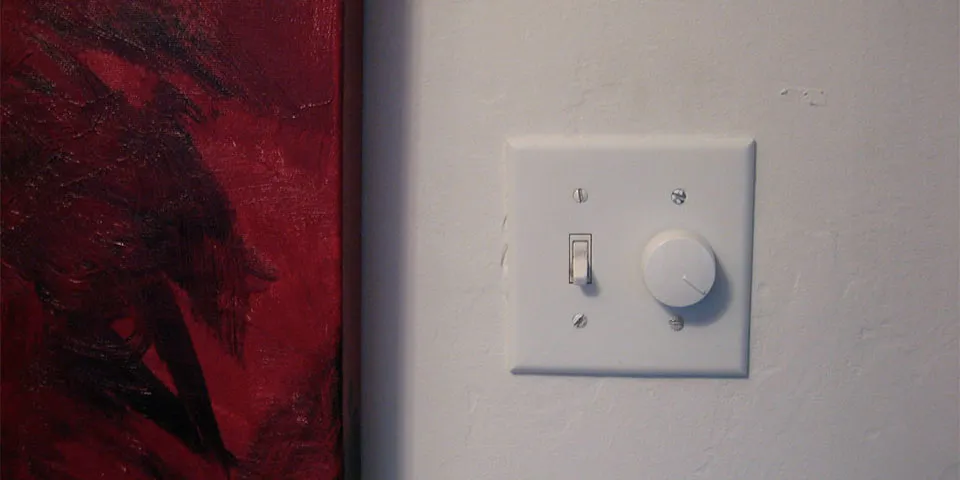
Looking for a way to create a more welcoming atmosphere in your home? LED dimmers are a good option. There are various types of LED dimmers on the market, offering different levels of quality and functionality. We can help you make the right choice so you can enjoy a pleasant atmosphere at home.
Why buy an LED dimmer?
If you have LED lighting at home, you may find that it gives off quite a bright light. This can be practical, but it does not do much to create a cosy atmosphere. An LED dimmer lets you adjust the light to suit the situation. Sometimes, for example, it is useful to have brighter light in a room when you are reading a good book. But when you are relaxing on the sofa together, it is nicer to have softer lighting. The same applies in a bathroom, for instance. Brighter light is useful when you are putting on make-up. But if you want to relax, it is nice to be able to dim the lights so they are not too bright.
What types of LED dimmers are available?
It is important to know that not every LED lamp can be connected to every dimmer. LED lamps require what is known as a trailing-edge dimmer. This newer type of dimmer is particularly suitable for LED lighting. That is because it supplies increasing amounts of current gradually, which is better for LED lamps. If you buy a different type, you may encounter problems with the lighting. It may flicker, buzz or vibrate.
What should you look for when buying an LED dimmer?
When buying an LED dimmer, check its minimum load. The dimmer’s minimum load must be no higher than the load of the lamp connected to it. For example, if the lamp has a wattage of 3 watts and the dimmer has a minimum wattage of 5 watts, the dimmer may not work properly. Want to connect several lamps to one dimmer? Simply add the wattages of the lamps together. The total is the minimum wattage the dimmer needs to support. For example, if you want to connect two 4-watt lamps, make sure you buy an LED dimmer rated for at least 8 watts. It is also wise not to go for the cheapest option. These dimmers often have a shorter lifespan and are less user-friendly. Make sure your lamp is dimmable. You can check the packaging or contact the manufacturer.
What about voltage and wattage?
Found the right LED dimmer? You also need to consider whether the LED lighting is dimmed on the primary or secondary side. This relates to the transformer, also known as a driver. The mains supply in your home in the Netherlands has a voltage of 230 volts (high voltage). If you have a 12-volt LED spotlight, for example, you need a dimmable transformer to convert the 230 volts from the mains socket to the lower voltage of 12 volts. The lamp would not be able to handle 230 volts. This also affects how you dim your LED lighting. There are two ways to do this:
With primary-side dimming, the 230-volt dimmer is installed before the transformer. The LED dimmer effectively dims the transformer, causing it to supply less power to the LED lighting and reducing the light output. In this case, you need a dimmable transformer.
With secondary-side dimming, a 12-volt dimmer is installed after the transformer. The transformer does not need to be dimmable. This method is used less often than primary-side dimming. There are also LED lamps on the market that can be connected directly to the 230-volt mains supply. These lamps have a built-in transformer, so you do not need a separate one.
A built-in transformer takes up less space when installing LED spotlights. However, if you choose this option, it is harder to replace the spotlights if one fails. A separate transformer is easier to replace. So if you have enough space, it is advisable to buy LED spotlights with a separate transformer. Buy your LED dimmers from the best online shop.
Question about this story? Ask your question
Keep following this
Get an email when a new story is published. No account needed.
- SubjectProduct information