Sustainability developments in concrete construction
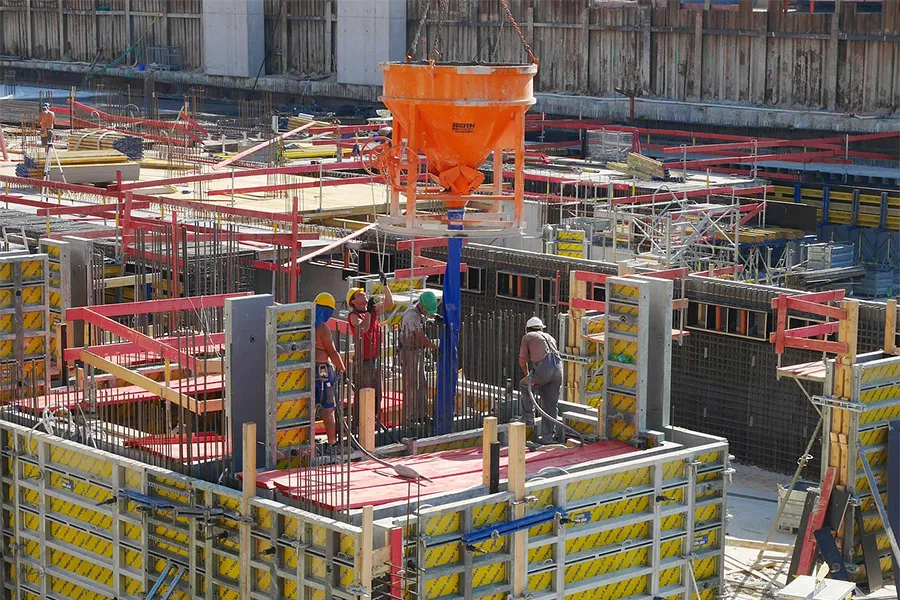
The construction sector is under considerable pressure because of the nitrogen issue. Many construction projects were put on hold while solutions were sought to address the nitrogen emissions associated with them. This is striking, given that construction is certainly not the largest source of these emissions. But every little helps, so every sector must explore ways to reduce its environmental impact. Sustainability is no longer a choice, it has become an absolute requirement.
New innovations
The construction sector has seen many innovations in sustainability. One area under close scrutiny is the use of traditional cement. It has long been a major source of CO2 emissions, while innovative binders can significantly reduce these emissions. Cement is also increasingly being partly replaced with other materials, such as fly ash, blast-furnace slag and limestone powder. Concrete mixes have also been developed that absorb CO2 from the air, effectively offsetting emissions.
Other techniques
The shift is not limited to the raw materials used. Other techniques also contribute to more sustainable concrete. For example, it is now possible to ‘print’ concrete, making more efficient use of the available raw materials. Adding certain bacteria or chemicals to the concrete then produces a finished product with self-healing properties. Small cracks in the material seal themselves, extending the service life of a structure while reducing the time and money required for maintenance.
Renewable energy sources
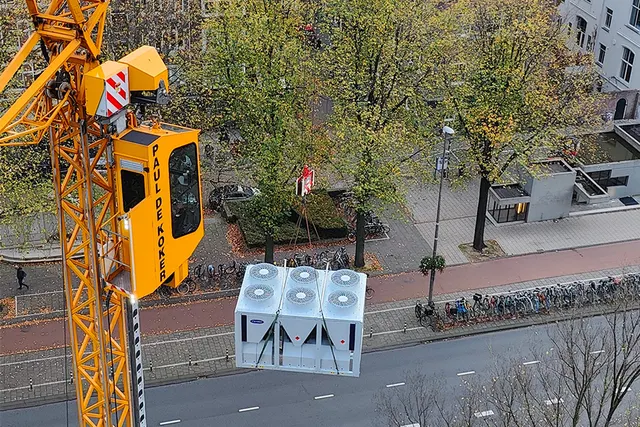
Manufacturers of materials used in concrete construction, as well as contractors themselves, are increasingly switching to renewable energy sources. In manufacturing, for example, wind and solar power are being used more often. This is also possible on site, of course. A browse through the machine hire section at Boels soon reveals that most machines are now electrically powered. There are also various systems available for hire to ensure work on site is as efficient as possible, such as high-capacity batteries that prevent a project from falling behind schedule, even during peak demand.
Circular economy
If we continue extracting raw materials, they will eventually run out and many processes will grind to a halt. What is more, repeatedly manufacturing new products causes increasing pollution and emissions. In a circular economy, as much as possible is reused. It is no coincidence that there is an increasing emphasis on sorting waste and taking items such as electrical appliances to a recycling centre. Recycling is also practised in construction. If you crush used concrete after demolition, you can reuse it as gravel or as aggregate in new concrete. There are also complete, prefabricated concrete modules that can be kept separate when a building is demolished and then reused to construct a new building.
Duurzaam Gebouwd
Policymakers face major challenges in meeting deadlines and honouring commitments. This leads to changes in regulations that are often unclear to everyone affected. The subject is also highly complex, making it easy to lose sight of the bigger picture. Duurzaam Gebouwd was established in response to this. It brings public and private-sector organisations together to accelerate the sustainability of the built environment. Its work focuses on finding practical solutions for the energy transition, circular construction and climate-resilient construction, as well as representing the sector’s interests to both government and business, with the aim of accelerating policy and removing barriers.
Question about this story? Ask your question
Keep following this
Get an email when a new story is published. No account needed.
- SubjectSustainable construction