











Targeted sustainability improvements and energy savings based on data
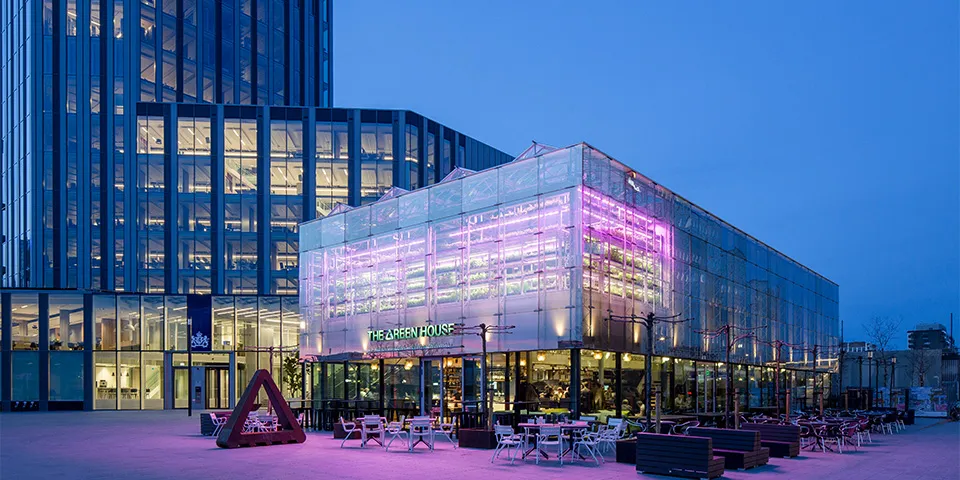
Innovation, sustainability and digitalisation are key pillars for technology company Strukton Worksphere. “You can see this not only in our business processes, but also in the services we provide,” says programme manager Patrick van Geffen. “For example, when it comes to sustainability and energy efficiency. As an organisation, we are keen to help building owners optimise and improve the sustainability of their building services, and minimise energy consumption. A well-designed data analysis is essential for this, and PULSE Analytics is a key tool.”
PULSE Analytics collects and analyses relevant building data 24/7, translating it into useful, consistent building information. “By continuously monitoring information about people, technology and the environment, and predicting deviations and behaviour, faults are minimised, the service life of building services is extended and maintenance costs are significantly reduced,” says Van Geffen. “The data analysis also provides greater insight into building services, comfort and associated energy consumption, enabling building conditions to be optimised. This helps employees feel healthy and energised and perform even better, while keeping energy consumption to a minimum.”
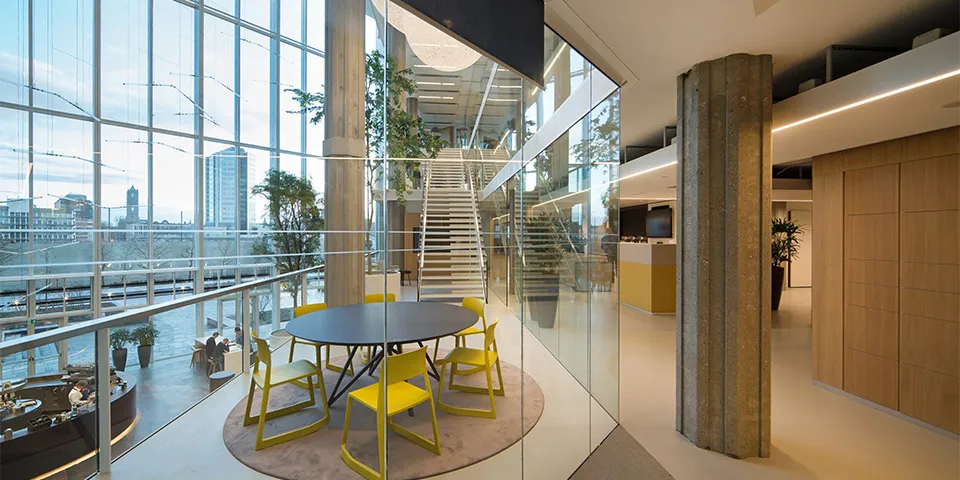
A total of 170 buildings are now connected to the PULSE Analytics platform, including Rijkskantoor de Knoop in Utrecht.
A clear, comprehensive overview
A total of 170 buildings are now connected to the PULSE Analytics platform, serving 60 clients and around 350 users, with approximately 57,000 data measurement points/sensors. “Many building owners use the application to gain a better understanding of their (average) energy consumption and costs,” says Rick van Pruisen, energy consultant at Strukton Worksphere. “Technical services teams and facility managers also use the tool to monitor the performance of building services. As an energy consultant, I mainly use energy data to inform clients and advise them, particularly when decisions are being made, on energy savings and sustainability improvements in their buildings. PULSE Analytics makes any changes immediately visible. I also use the application to identify and address potential deviations, check energy suppliers’ bills, and take our products to an even higher level.”
Complete, consistent and reliable
To collect enough relevant data, the PULSE Analytics application is connected to the building management system and the client’s existing sensors. “Additional sensors are installed where necessary,” says Van Geffen. “They enable us to actively measure humidity, temperature and CO2 levels in a building. Light and noise have recently been added, giving us even better insight into a building’s comfort levels.” Van Pruisen adds: “Alongside digital data, we regularly receive manually recorded data from metering and energy companies. We check and clean it thoroughly, then present it in a consistent format, so that all the data can be viewed and compared reliably. If required, we can compare our readings with current weather data. We can also show cumulative energy savings resulting from improvement measures in a fully transparent way, helping users make better-informed decisions and choose building services with confidence.”
Updated version
To make PULSE Analytics even more user-friendly, accessible and faster in future, the application is currently undergoing a complete overhaul, says Van Geffen. “It will look very good without losing any depth. The first new theme, Energy, will be presented in September, and the first clients will be migrated to it.”
Question about this story? Ask your question
Keep following this
Get an email when a new story is published. No account needed.
- ThemeSustainable refurbishment of existing buildings
- SubjectGeneral







