











Technical training provider expands its range of courses
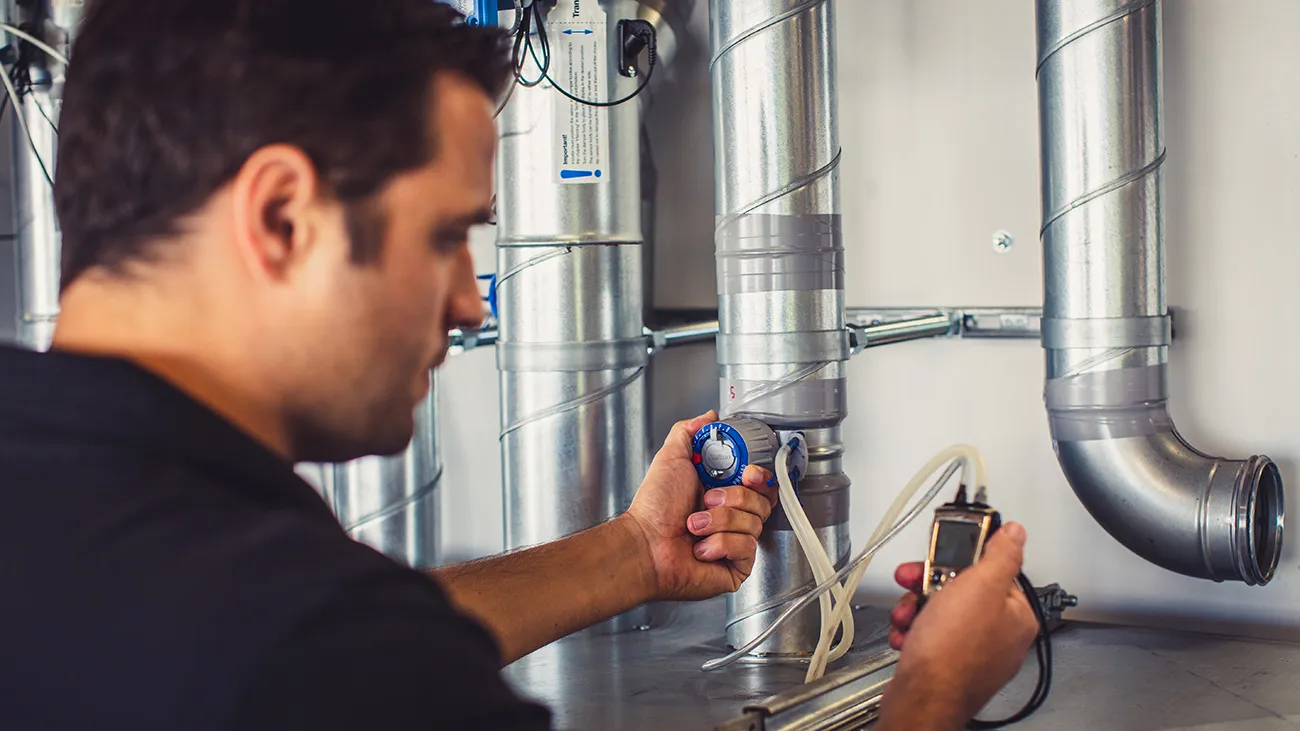
From zero to job-ready technician
At Studium, you can take technical courses that give equal weight to theory and practice. The courses are developed in response to market demand. The current energy transition and shortage of skilled workers are driving strong demand for targeted courses that give participants practical experience in a short time. That is why Studium is expanding its range of courses.
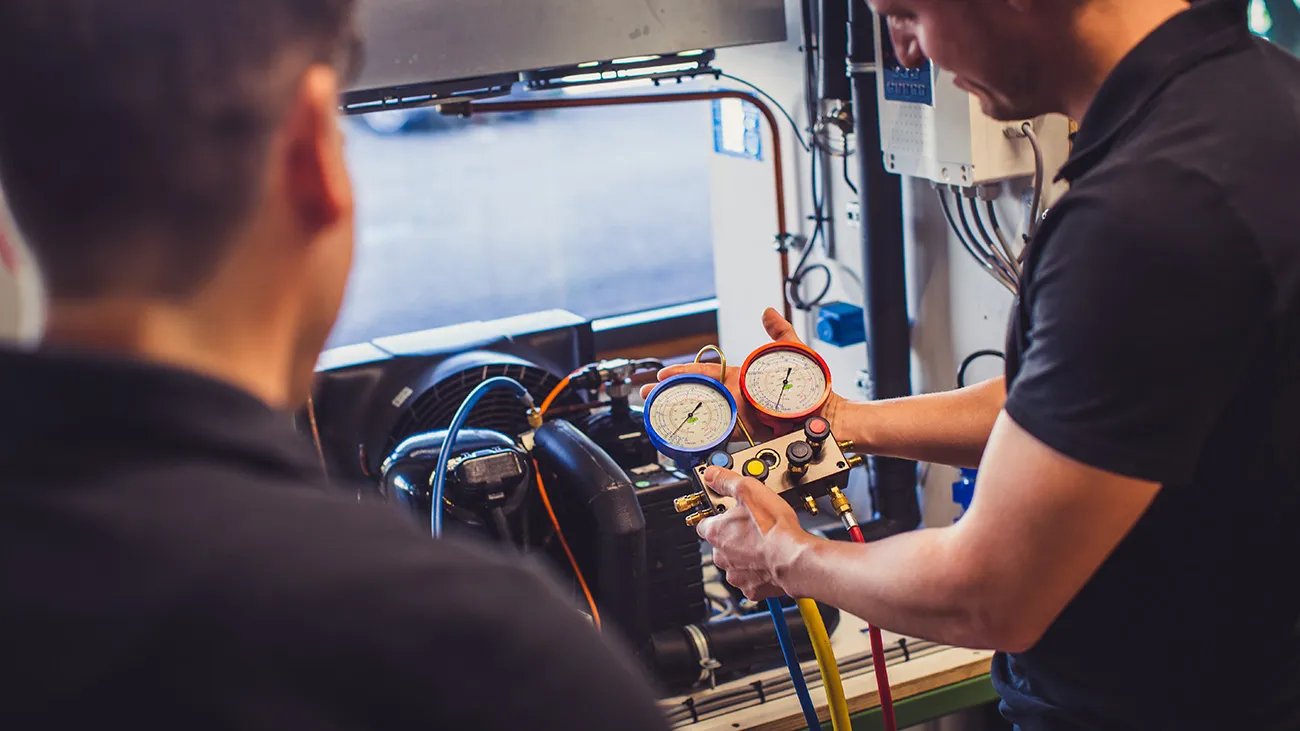
After completing a course at Studium, you can start work straight away in refrigeration technology, climate technology, electrical engineering, logistics and safety. In the practical training facility in Amersfoort, participants work on a range of installations, putting their knowledge into practice straight away. For example, in just four weeks you can gain the F-gases Category 1 and General Refrigeration Technology certificates. But Studium has found that there is demand for even more extensive practical experience, so that participants can start working independently straight away.
F-gases plus installation and fitting
“Once you have gained your F-gases certificate, you know how to work without releasing emissions, but you will not yet have installed an air conditioner or heat pump. To ensure that you can start working independently straight away, a new module will be added from early 2023. In this module, you will actually fit an air conditioner or heat pump. That includes the indoor and outdoor units, the pipework between them, as well as the electrical work and commissioning. It is especially important for self-employed contractors to be able to work independently straight away, but we are also hearing this request from companies,” says Peter Koelewijn of Studium.
Solar panels and energy storage
Following on from the EV charger courses, which train participants from scratch to become EV charger technicians, Studium is also planning a solar panel course, due to start in the first half of 2023. It covers the complete process. You will install the panels on the roof, then wire them up and connect them to the inverter and the distribution board. The course can optionally be supplemented with working-at-height training. Koelewijn says: “By the end, someone with no prior knowledge of this field will have done everything at least once. With the entry-level licence under their belt, they can gain further experience on the job.”
A further step in the future will be a course on energy storage systems. Most energy is generated in summer, while it is needed most in the evenings and in winter. Koelewijn believes that batteries will become increasingly important in the future, as net metering and feeding electricity back into the grid will no longer be possible. “We are already thinking about this. We are keeping pace with the energy transition, so that skilled workers can be trained in stages.”
In English
Most courses at Studium are currently still taught in Dutch, but that is set to change. F-gases Category 1 is already available in English, and all courses will be in the future. Koelewijn says: “International employees will be able to take the courses too. Our trainers are qualified to do so. They are all industry professionals with
years of experience.”
Question about this story? Ask your question
Keep following this
Get an email when a new story is published. No account needed.
- SubjectGeneral







