











‘The construction and building services sectors have a bright future ahead’
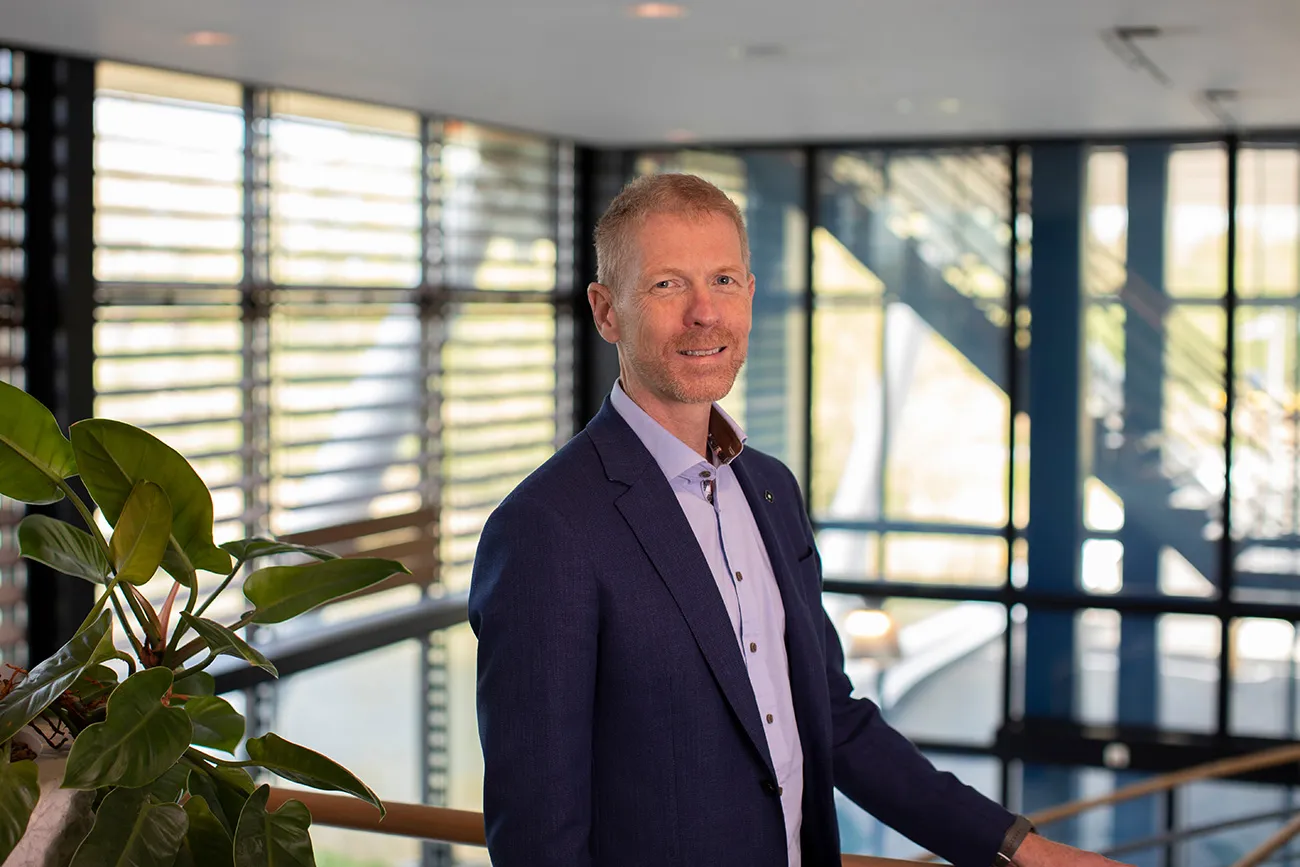
The trade association NVKL believes it is vital that new and existing skilled workers receive proper training and certification. There is not only a shortage of qualified technical staff as demand rises, the market is also undergoing rapid change. The F-gas Regulation is playing a major role in this.
The European F-gas Regulation was introduced in 2009 with the aim of limiting emissions of refrigerants from refrigeration and air-conditioning systems, thereby preventing global warming caused by these greenhouse gases. The regulation has since been progressively tightened. Initially, all equipment containing refrigerants had to be leak-tight. Now, the decision has been made to minimise the use of F-gases and phase them out completely in the long term.
This has a major impact on the sector, as the whole country depends on refrigeration systems containing refrigerants, says Coen van de Sande, director of NVKL (the Dutch Association of Companies in Refrigeration and Air Conditioning) and chair of AREA (the European umbrella organisation for refrigeration and air-conditioning contractors). “The industry must anticipate this regulation. After all, without refrigeration technology, we would have no food, no logistics, no computers and no power stations. F-gases are still widely used, but when they leak, they have a major impact on the environment. Natural refrigerants such as ammonia, propane and CO2 are an alternative. However, these pose safety risks to people and the environment. So you cannot simply convert a piece of equipment to use a different refrigerant. Materials have to be adapted, installers and building owners need to know how to handle them, and training materials and protocols have to be rewritten.”
Manufacturers adapt
It is therefore up to manufacturers to develop equipment that uses natural refrigerants and meets all safety requirements. Van de Sande says: “Manufacturers have to develop equipment that works differently, and components have to be adapted. Equipment also needs to be easier and quicker to install. Heating, cooling and ventilation, for example, could be integrated into a single unit. Everything needs to be lighter and smaller, and prefabricated wherever possible. There is a shortage of skilled workers, after all, and product development and innovation can help address that too.”
A great profession
NVKL also recognises the urgent need for new skilled workers. Staff need to be retrained more widely than ever, as even warehouse staff and logistics workers need to know how to handle natural refrigerants. That is why a change in mindset is needed, Van de Sande believes. “Working in building services engineering is not boring, it is a great profession. You can earn a very good living from it. We need to make engineering attractive again to school pupils and people looking to retrain.”
Potential
This is a responsibility not only for the sector, but also for the government, which must promote the industry, encourage vocational training and provide pupils with good information. NVKL is working on this in The Hague and Brussels, among other places. Van de Sande believes the energy transition offers excellent opportunities for the sector. “Where other people have less work, for example in the automotive sector, we can offer them jobs. We have a bright future ahead, despite the hurdles we still need to overcome. Leaving aside the nitrogen debate, rising interest rates and inflation, the construction and building services sectors have enormous potential in the coming years. If the whole sector joins forces, I am sure we can meet those challenges.”
Question about this story? Ask your question
Keep following this
Get an email when a new story is published. No account needed.
- SubjectGeneral







