











The power of creativity, innovation and timing
Plug-and-play installation for every construction method
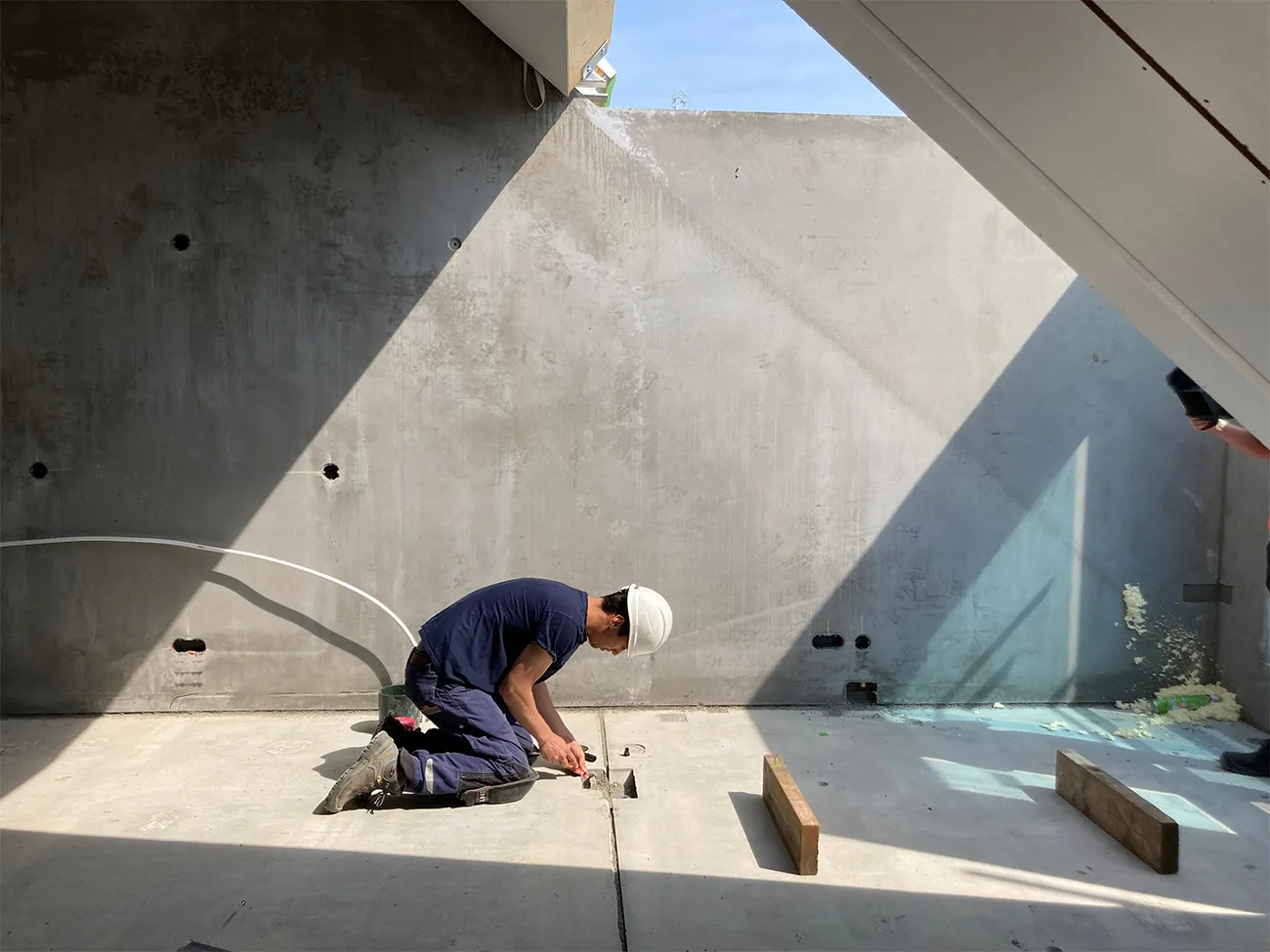
“The construction industry is undergoing major modernisation”, observe Isolectra managing director Werner Hulst and marketing manager Casper Bontenbal. “Among other things, the shortage of technically trained staff, uncertain delivery times and nitrogen-related issues call for new ways of thinking and working, with a focus on sustainability and efficiency. That is the future, and it starts today! We are keen to use our current knowledge to anticipate the challenges of tomorrow.” To reduce movement to and around construction sites, more and more construction is being carried out using prefabricated elements. “That is hardly surprising, as this increases both the speed and quality of construction”, says Hulst. “Building systems and installations are assembled under the best possible climate and working conditions. It also enables circular construction and design for disassembly. Plug-and-play installation is a perfect fit, provided the processes are properly organised.”
Plug-and-play installation only makes sense if you consciously choose it. Project managers, engineers and installation teams must be prepared to take the measures best suited to the construction method in question. “Each construction method calls for different materials, configurations and delivery times”, Hulst emphasises. “There are also specific dos and don’ts when it comes to making the connections. Only by following all the rules can you benefit from a safe and cost-efficient installation.”
The focus shifts to earlier stages
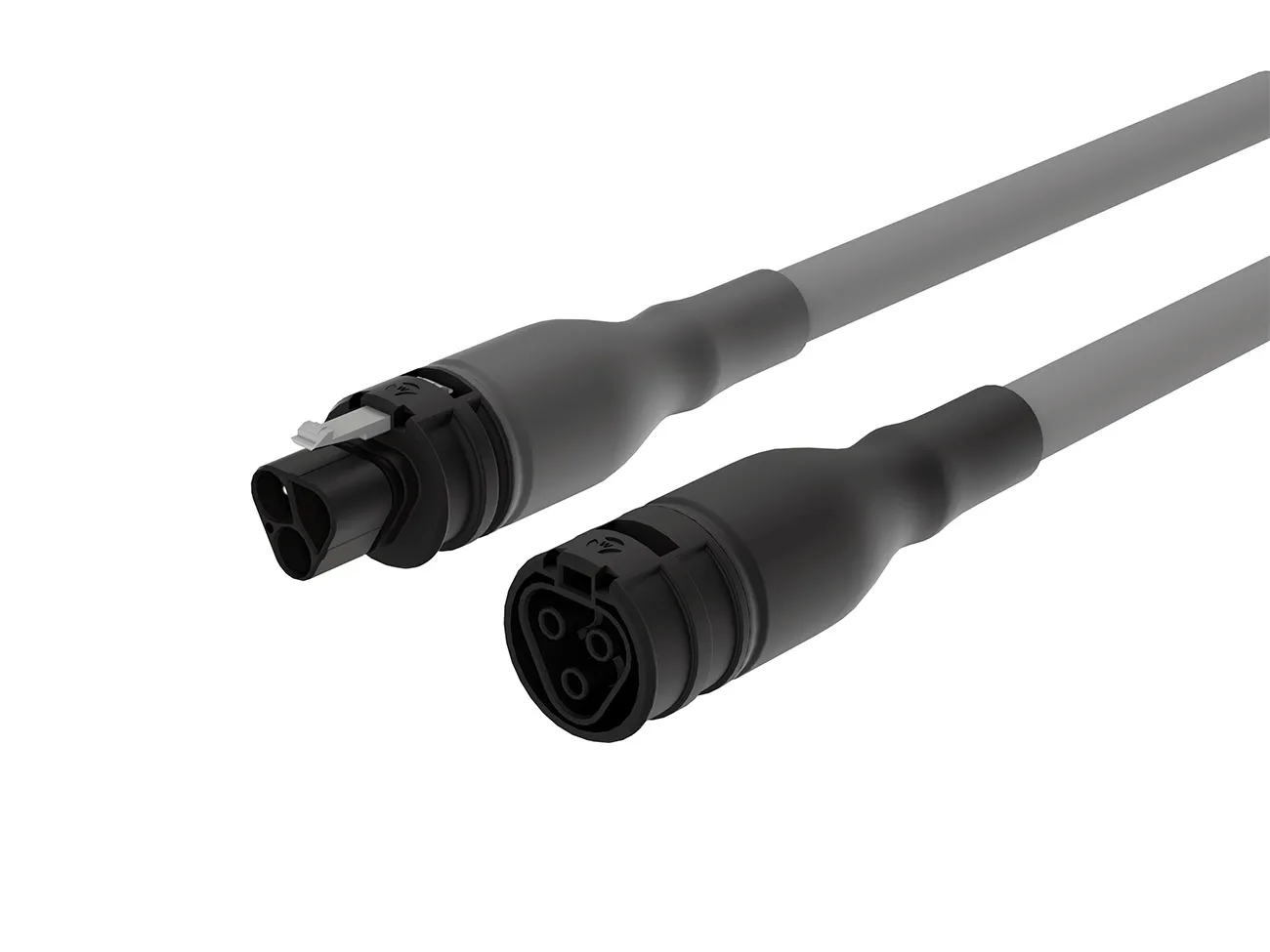
In prefabricated construction generally, and plug-and-play installation in particular, the focus shifts from execution to design and work preparation, he emphasises. “Sufficient time must be set aside for this, as well as for coordinating with all stakeholders. What will the building look like? Which installations need to be fitted where? This is crucial, especially in precast concrete, tunnel and cast-in-place construction, as making changes later is difficult.”
Roots in dry construction
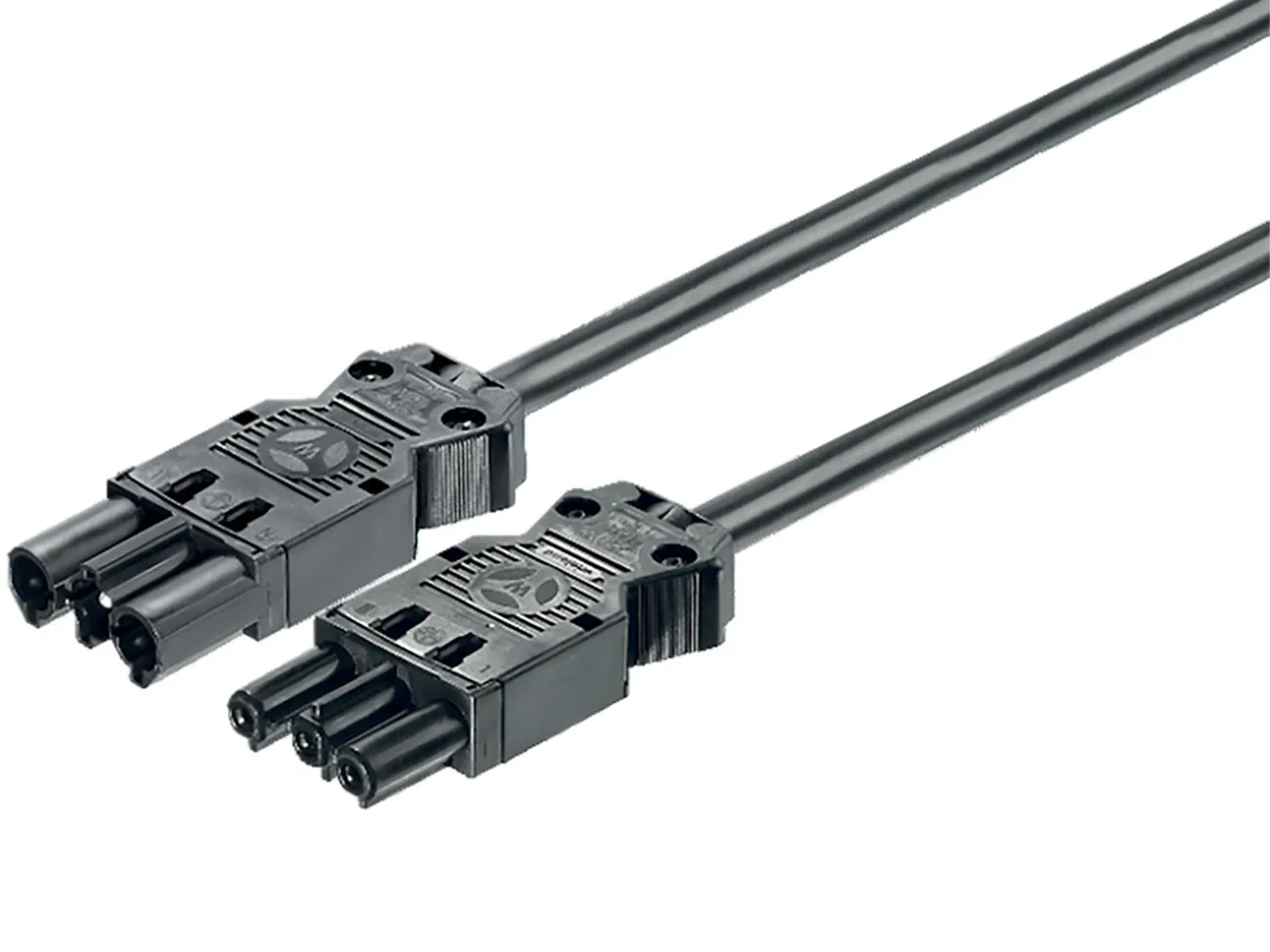
Plug-and-play installation originated in dry construction and fit-out. Isolectra pioneered this innovative installation method and has grown into a market leader over the past decades with its Wieland brand. “Our Wieland GST18® system is very familiar and highly regarded in dry construction”, says Bontenbal. “That is hardly surprising, as this IP40 system is flexible, readily available, quick and efficient. It is also continually developed and improved in response to new insights and market requirements. Wieland GST18® is ideal for applications such as modular construction and timber frame construction, as well as a wide range of other projects involving hollow walls and/or ceilings. To take sustainability and efficiency to an even higher level in these applications, we are increasingly using assemblies, with junction boxes supplied fully pre-assembled and sealed, complete with GST18® cables and socket outlets or switches.”
Pioneer in precast concrete construction
Soon after its introduction, customers asked for the assemblies to be made available for precast concrete construction too. “However, an IP40 installation system is not suitable when building components are assembled in wet conditions”, says Bontenbal. “We developed the IP66/68/69k RST20® system specifically for these situations. It guarantees excellent watertightness and high-quality installation of plugs, flush-mounted boxes and other components in all construction conditions. The RST20® system is so robust and reliable that it is also certified for direct casting into precast concrete walls and floors, without conduits. This means installers can enjoy the benefits of plug-and-play installation in precast concrete construction too.”
Evolution for tunnel and cast-in-place construction
The technical innovation also led to a system for tunnel and cast-in-place construction, where there are once again specific challenges. “Tunnel and cast-in-place construction are much more site-based”, says Hulst. “A key trend in these construction methods is reducing working time. Another is making effective use of staff by carrying out repetitive tasks more efficiently. A third reason to opt for plug-and-play installation here is that installers become less dependent on crane time. The lightweight, compact installations can easily be moved to the right locations using a standard construction lift. Less time, fewer materials and fewer tools on site also mean fewer accidents, so plug-and-play installation improves safety too.”
Designed for extreme conditions
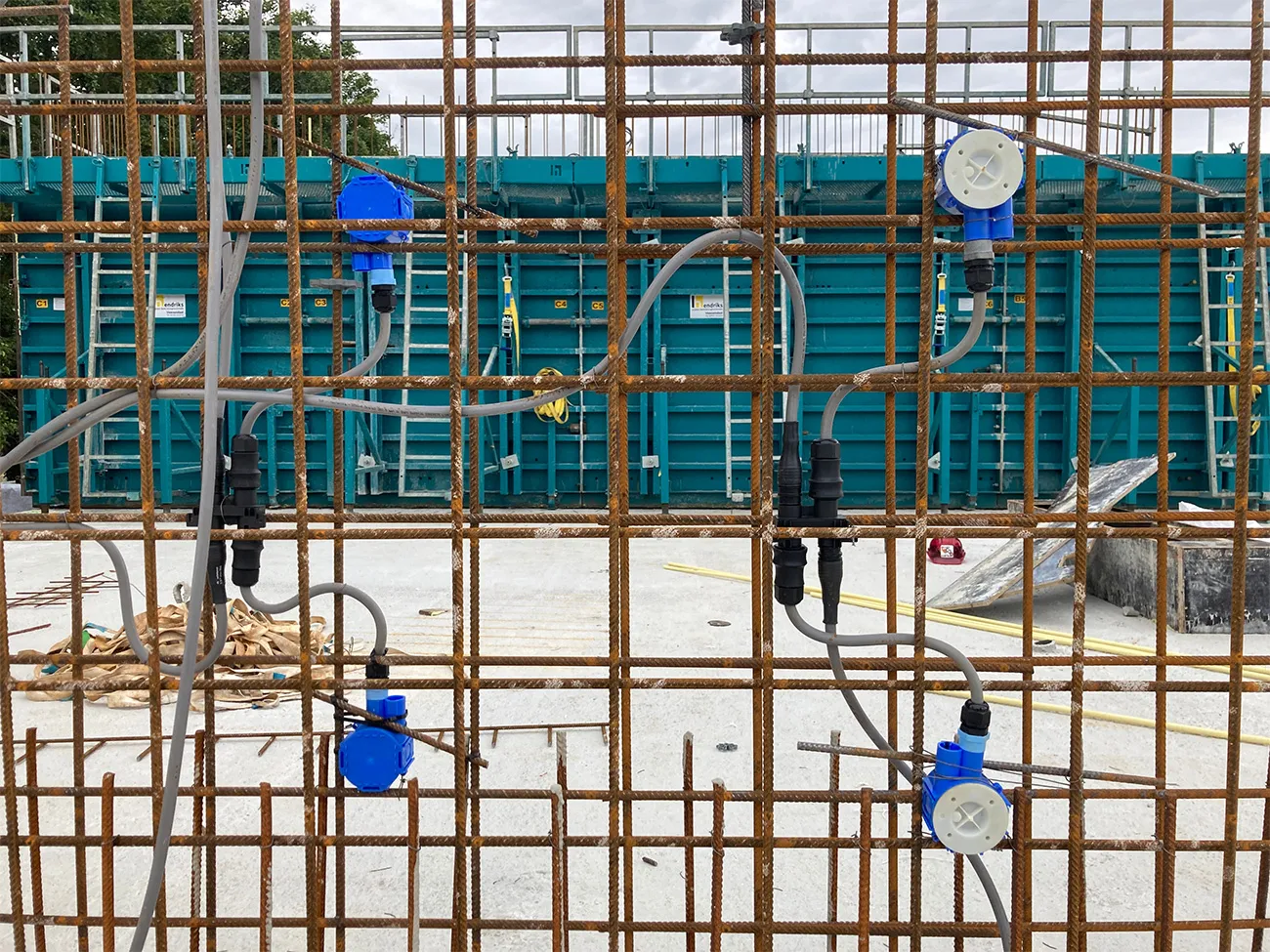
Extreme conditions are part of everyday life in tunnel and cast-in-place construction, Bontenbal explains. “Work is carried out in all weathers. Electrical installations are also fitted to the reinforcement, which people walk on and where materials and tools are placed. Concrete is poured, and air bubbles are removed from it using a vibrator. Would the Wieland RST20® system be suitable for these conditions too? We investigated the options with Wieland and completed an extensive testing and certification process. We cast the RST20® plugs into concrete and carried out an extensive endurance test under very stringent conditions. We also developed a cable for structural construction environments with our sister company TKF.” Hulst adds: “Our adapter is another innovation. It allows existing flush-mounted boxes to be fitted with a cable instead of a conduit. This better protects the cable in the junction box and ensures a proper connection.”
To make plug-and-play installation successful in structural construction environments, it is important to give installers clear instructions. “Connections must be made correctly”, says Hulst. “The protective caps must not be forgotten either. And there are many other lessons learned that we are keen to share with the market.” Interested? Contact your Isolectra account manager.
Have a business enquiry for Isolectra BV? Get in touch
Companies in this story

Keep following this
Get an email when a new story is published. No account needed.
- SubjectGeneral
- CompanyIsolectra BV







