The whole world is calling for more ventilation, but not the Netherlands
The whole world is calling for more ventilation, but in the Netherlands it is barely discussed when it comes to tackling coronavirus.
While abroad ventilation is invariably mentioned alongside ‘washing hands, keeping your distance and testing’, in the Netherlands you have to search for information on the role and rules of ventilation in relation to coronavirus.
How is it that this is a major issue abroad but not here? It was only last spring that the RIVM’s advice was quietly amended to say that aerosols could potentially play a role over greater distances. This received little attention, and the qualifying wording, such as “under certain circumstances”, does little to convey a sense of urgency.
Ventilation plays a crucial role and is of the utmost importance in Belgium
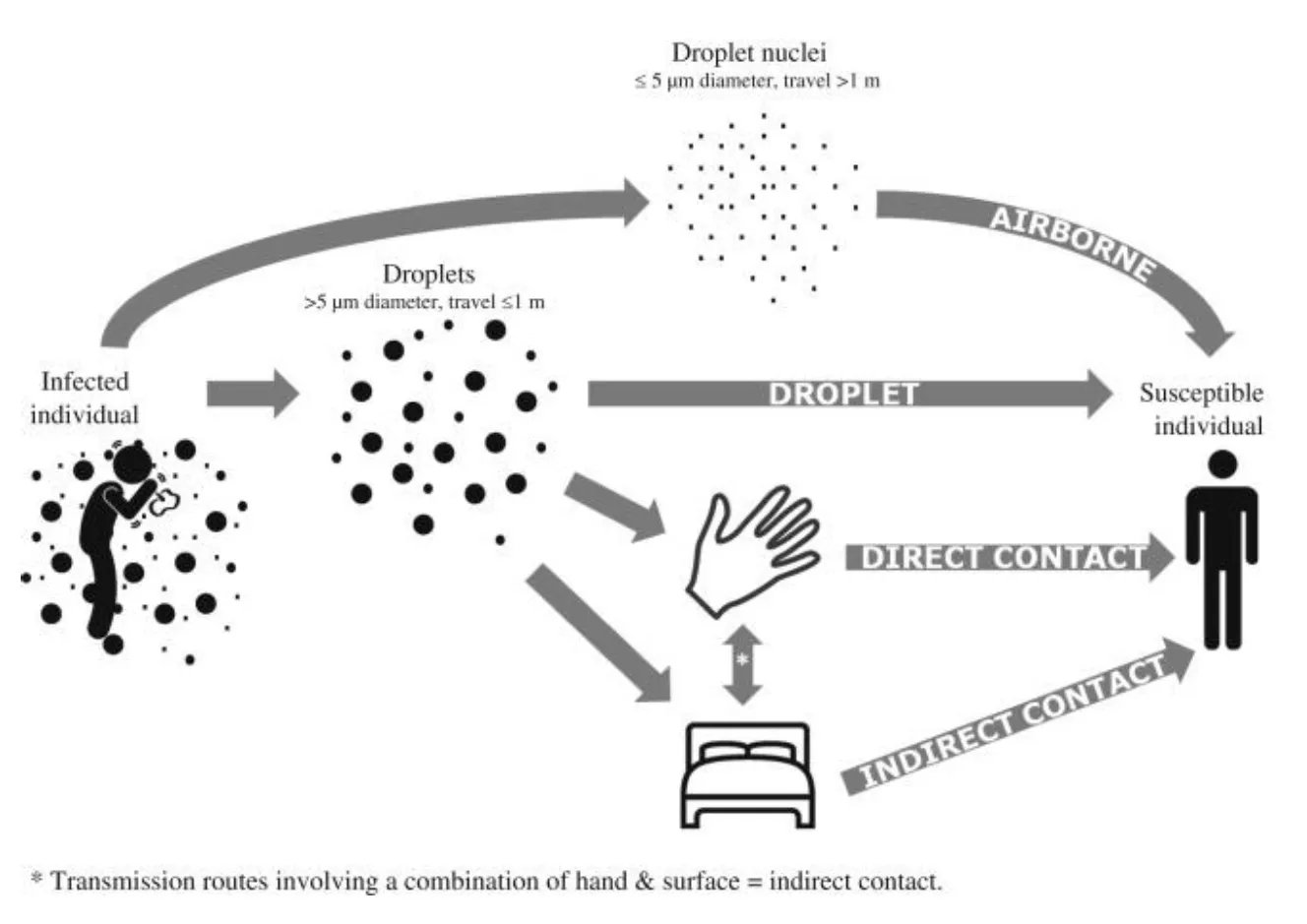
The countries around us take a very different approach. The Belgian federal government states loud and clear: “It is of the utmost importance that building ventilation is managed in accordance with the recommendations. As the virus spreads through aerosols, ventilation plays a crucial role in limiting the risk of infection. It allows indoor air to be renewed and reduces the presence of aerosols that may have been contaminated with COVID-19 by an infected person in the space. Ideally, the CO2 level in the air should not exceed 900 ppm and must under no circumstances exceed the limit of 1200 ppm.”
The wording is entirely different, and the clear limits, together with the associated legal requirements, leave no room for ambiguity. For example, people must leave a space if the limit is exceeded, public spaces must be equipped with a CO2 meter, and communications such as this one clearly state that being outdoors is safer and that ventilation helps prevent clouds of virus particles.
Ventilation part of Germany’s basic rules
Ventilation is also high on the coronavirus agenda in our other neighbouring country, Germany. The basic rules are Abstand, Hygiene, Alltagsmasken and Lüften (in other words: distancing, hygiene, face masks and ventilation). Schools and offices without mechanical ventilation systems, for example, must use Stoßlüften: airing rooms by opening windows fully. In schools, this means opening opposing windows for 3 to 5 minutes every 20 minutes. In offices, the windows should be opened for 5 minutes every hour.
WHO and other countries also see ventilation as part of the solution
There are plenty of examples of countries where ventilation plays a much more prominent role in tackling the virus than it does in the Netherlands. These include France, Spain and the United States.
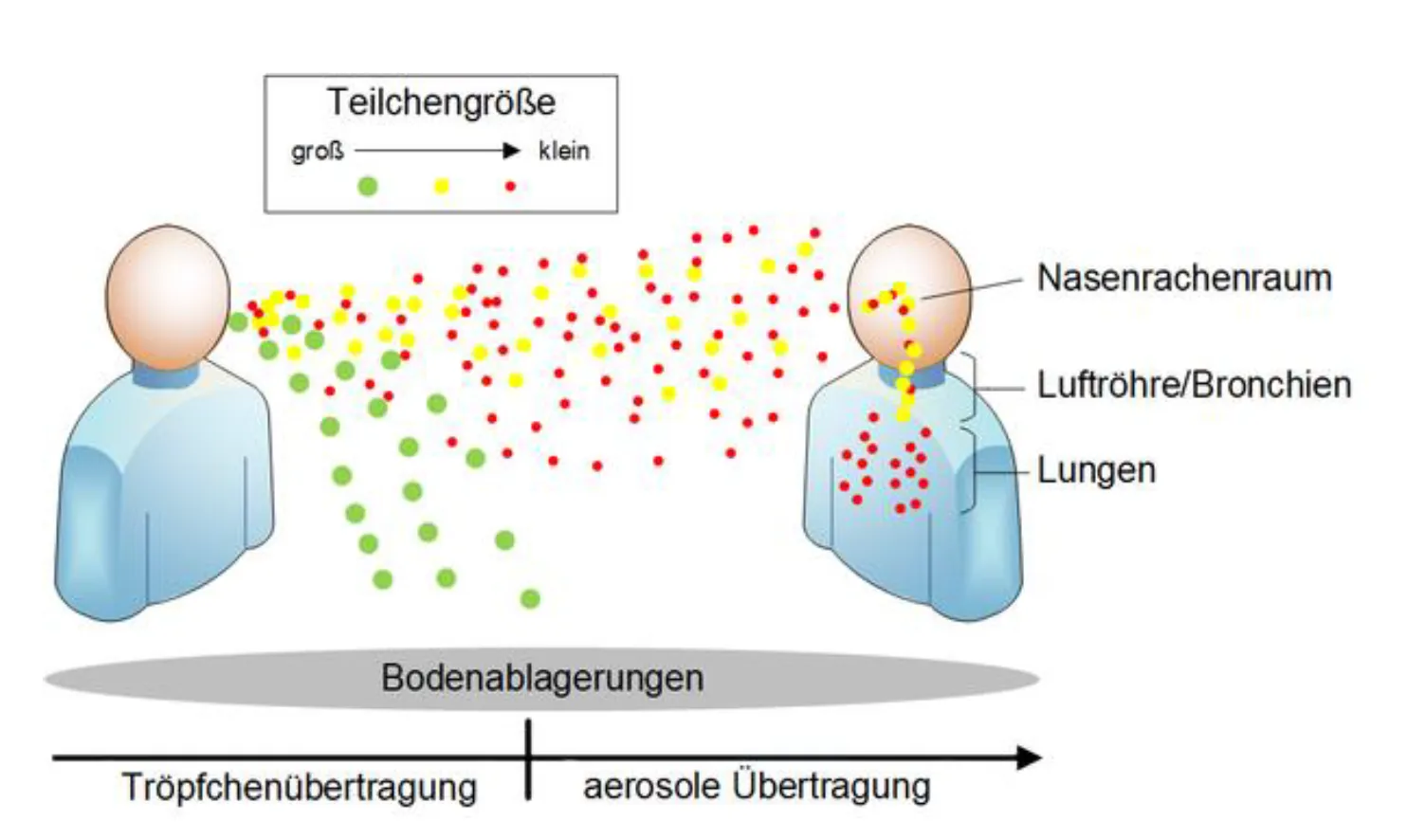
The World Health Organization also states: “The spread of COVID-19 occurs most often when an infected person is in close or direct contact with another person. The risk of the spread of the virus is higher in crowded and poorly ventilated spaces where people spend long periods of time together in close proximity. Improving indoor ventilation can reduce the risk of the virus spreading indoors. Ventilation is not a standalone measure and it should be implemented as part of a comprehensive package of measures.”
Scientists call for greater attention to aerosol transmission
It is a fact that there was a great deal of uncertainty at the start of the coronavirus pandemic. So it was logical that there was uncertainty about the role of ventilation at the time; this still had to be investigated. There is now more than enough (scientific) research showing that ventilation plays a role. Yet calls from scientists and experts in the field seem to be going unheard.
For example, in May, a group of 39 renowned scientists stated in the journal Science, for the first time, that more should be done to improve ventilation: “Other countries recognised this problem much earlier and have been working on ventilation options for much longer,” says Philomena Bluyssen, Professor of Indoor Environment at TU Delft and co-author of the Science article. “The RIVM is now one of the few organisations in the world that has yet to clearly acknowledge the importance of aerosol transmission.”
RIVM advice is to follow the Building Decree 2012
The RIVM has stuck, more or less from day one, to the advice: ‘comply with the Building Decree’. It is questionable whether the required ventilation rate of 25 m³ per person is sufficient in relation to coronavirus. After all, the Building Decree was written in 2012, before the pandemic.
In practice, the limit is a CO2 concentration of 1200 PPM in a space. Several sectors, including education, have stricter ventilation guidelines.
Until recently, the hospitality sector also had stricter guidelines. But, to the dismay of both the sector and ventilation experts, the ventilation guidelines became five times less strict at the end of June. This is incomprehensible given the current rise in infections.
Last to advise on face masks, last to advise on ventilation?
The question is why the advice in the Netherlands has not also been updated in light of new evidence. It brings to mind face masks: the Netherlands was one of the last European countries to introduce them. At the time, the OMT discussed this issue in terms similar to those now used for ventilation: “Non-medical face masks may contribute to some extent to limiting the spread of COVID-19.”
For now, at least, it remains to be seen when advice on ventilation will be updated in light of new evidence.
Learn from other countries
If the Netherlands were to follow international guidelines more closely, we would all face a huge task. Even if our buildings can meet the requirements of the Building Decree, the question is whether we should aim to ventilate more than the minimum required.
Regardless of the requirements set out for us, we can also take responsibility ourselves and take action. It is worth looking into the requirements and guidance available abroad. You could, for example, introduce Stoßlüften in your office, gain more insight by installing a CO2 meter or explore mechanical ventilation solutions.
Question about this story? Ask your question
Keep following this
Get an email when a new story is published. No account needed.
- ThemeHealthy indoor air
- SubjectGeneral