TivoliVredenburg opts for smarter emergency lighting management
Text Lieke BousemaImage HBI Bisscheroux, Ward Mevis en Jelmer de Haas
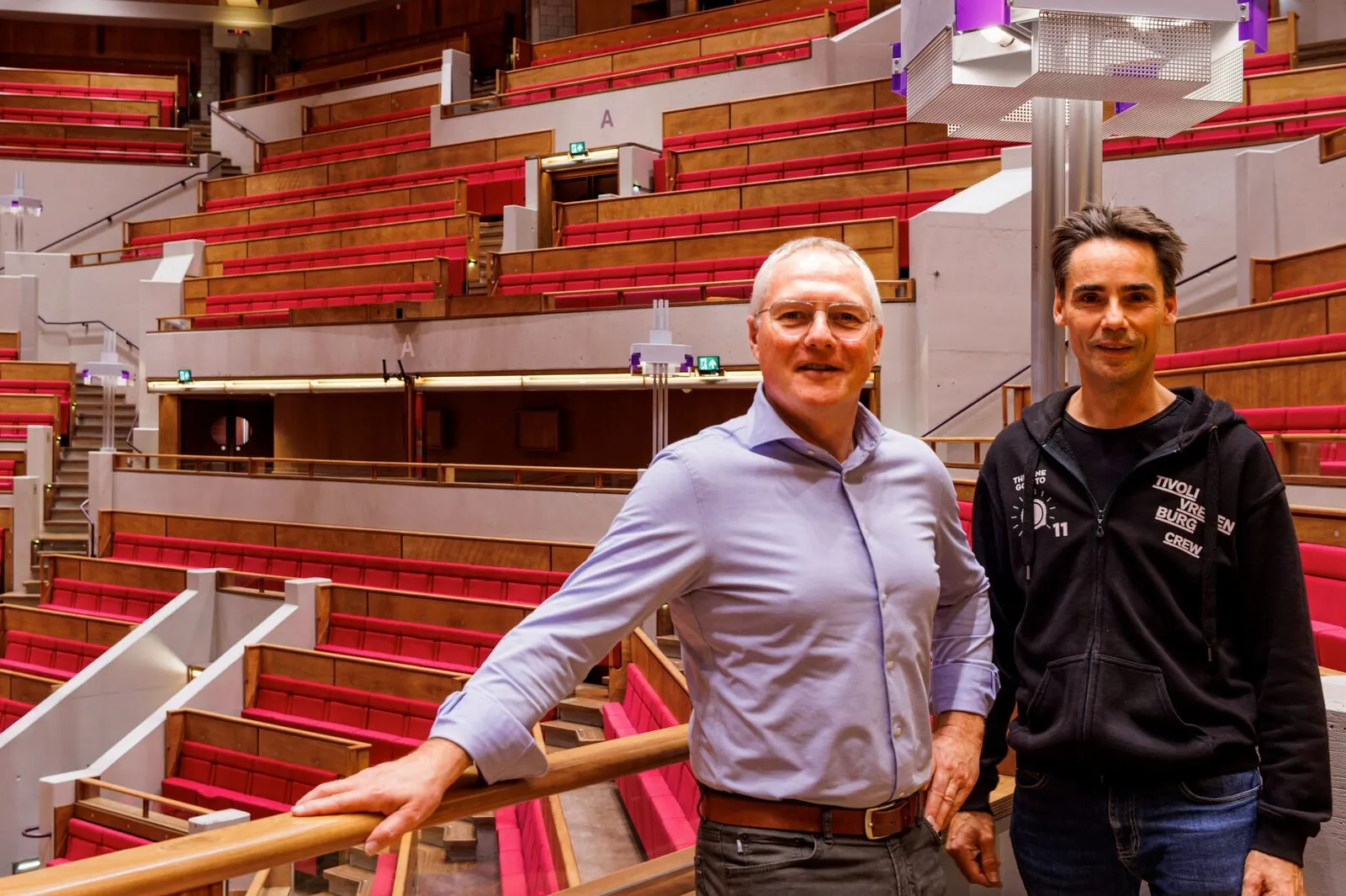
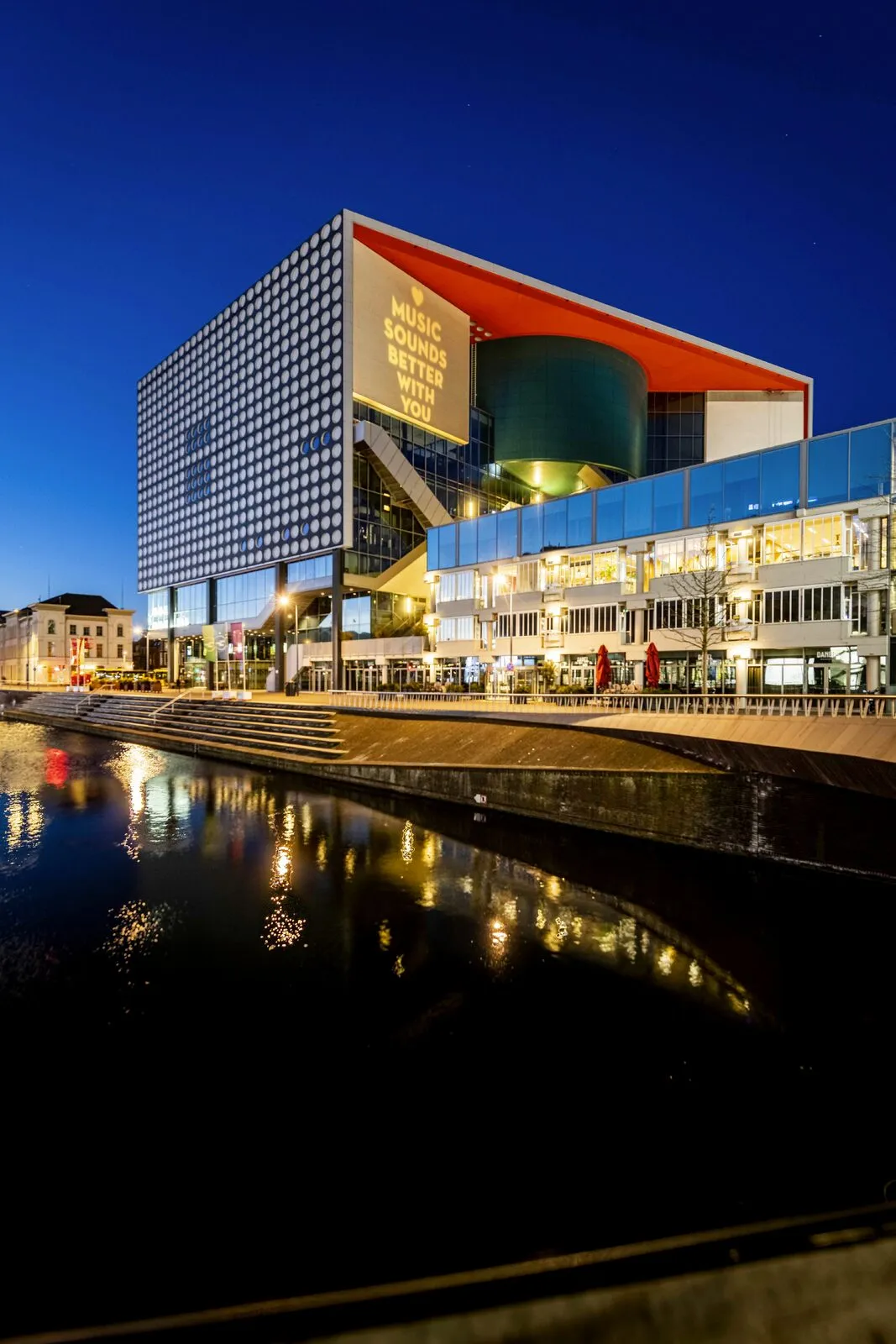
At the TivoliVredenburg music venue in Utrecht, every type of music comes together under one roof. With six halls, several catering facilities and intensive use, the reliability of the building services is of great importance. When the emergency lighting, more than twelve years old, was due for replacement, the technical department therefore decided to look not only at new luminaires, but also at a smarter way of managing them. The result: around 350 digitally managed emergency lighting luminaires and real-time insight into the status of the installation.
"The emergency lighting was more than twelve years old and due for replacement. For us, that was the ideal moment to also map out the costs and opportunities for improvement," says Bas Noldus, maintenance coordinator at TivoliVredenburg. "The biggest cost items turned out to be the annual maintenance and the periodic replacement of all batteries. So we looked at how we could save on these."
Fewer inspections,
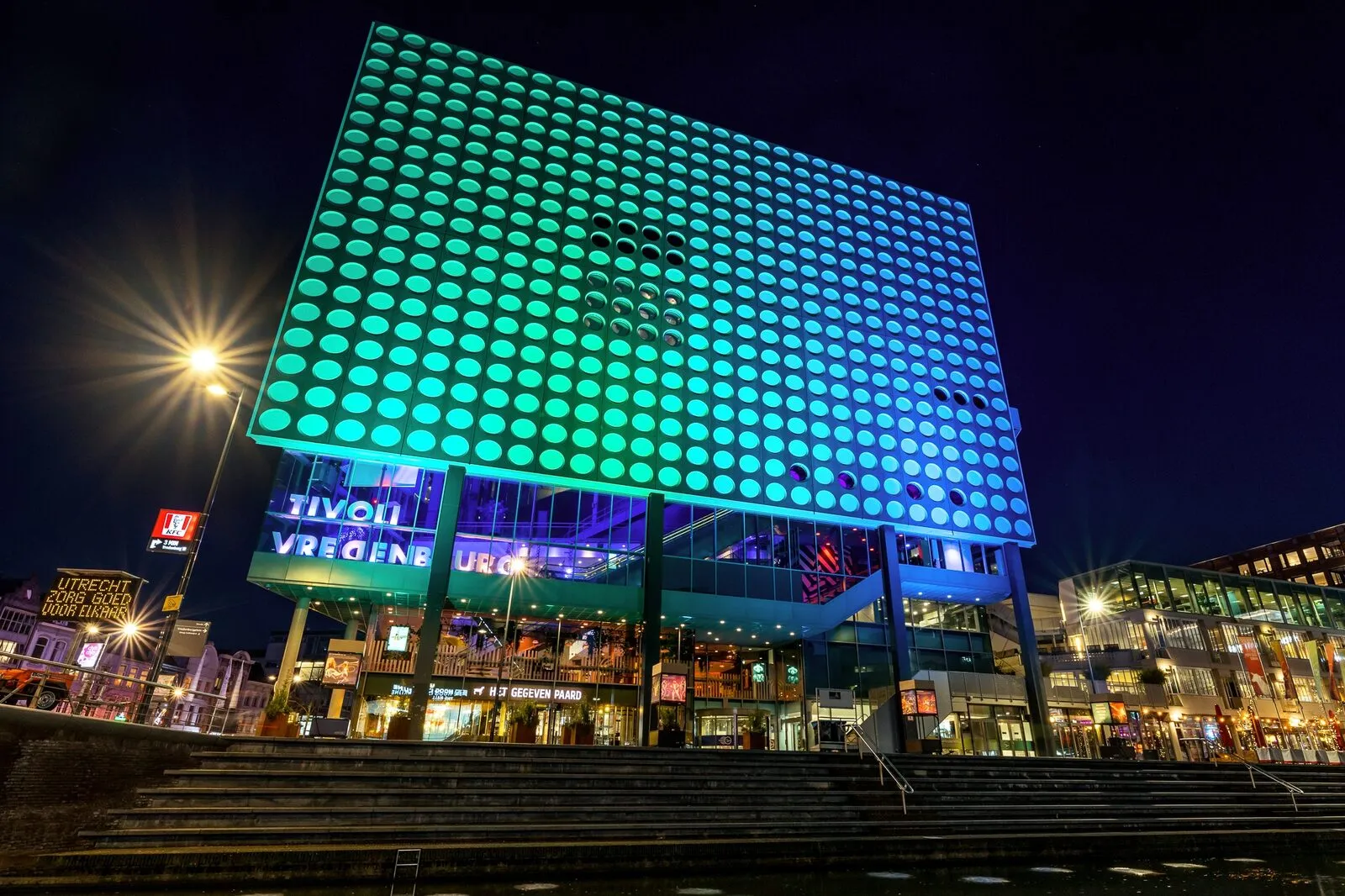
more targeted maintenance
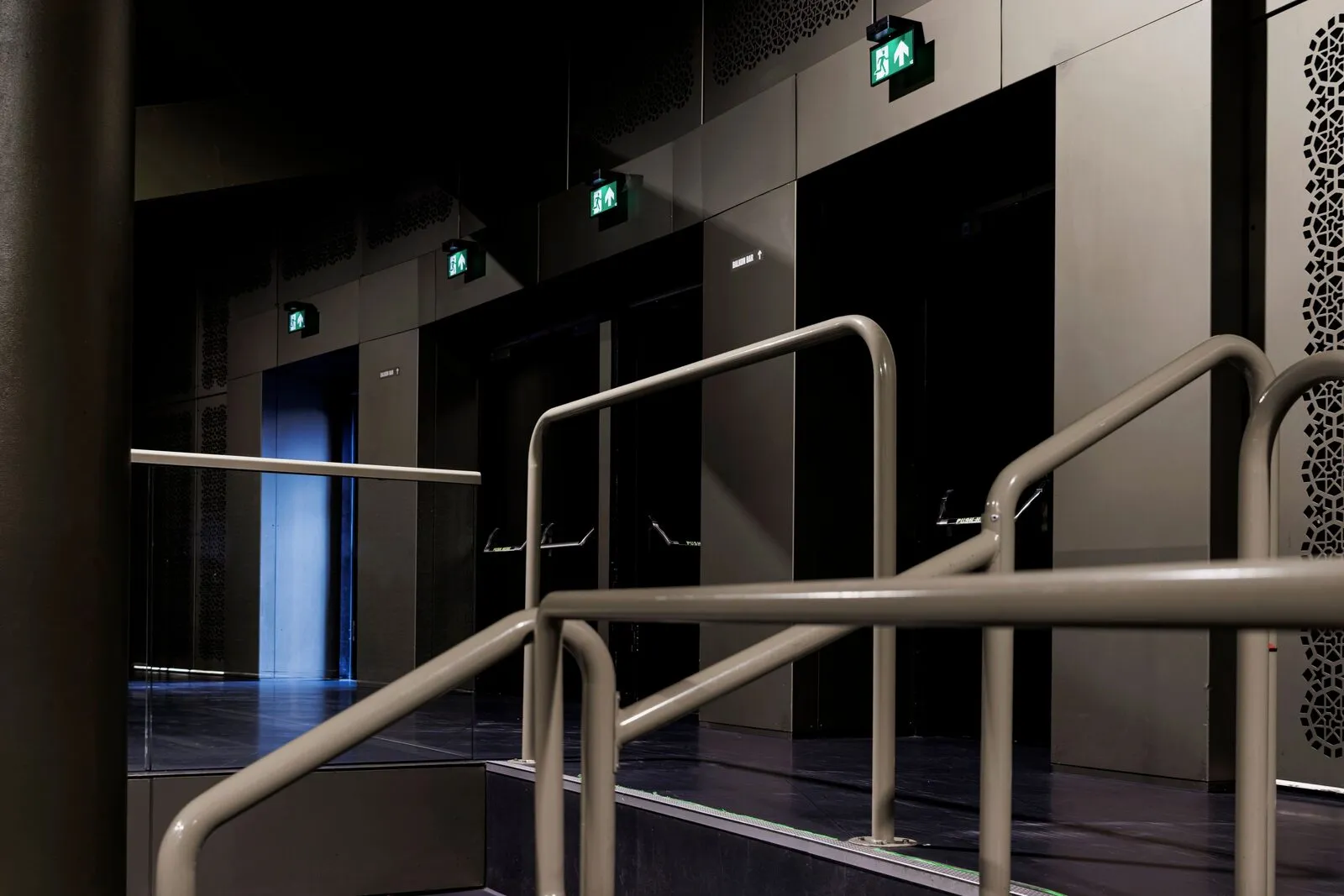
The solution was found in digital emergency lighting management. Instead of periodically inspecting all luminaires by hand, their status is now monitored digitally. Faults and deviations can therefore be followed up in a targeted way. At TivoliVredenburg, around 350 luminaires have been replaced,
mainly escape route signage.
"Previously, two fitters spent four days manually inspecting all the luminaires," says Noldus. "Because our own technical department could not be freed up for that long, we outsourced the maintenance and inspection. With digital management, we can now provide service in a much more targeted way. We no longer have to replace all batteries as a precaution, but can step in when the system indicates it is necessary." According to Noldus, this shift has a direct effect on the Total Cost of Ownership. "We expect to save considerably on our maintenance costs. The TCO is a good deal lower than if we had opted for a conventional system. A nice side effect of the monitoring is that we discovered that some luminaires had been on switched groups since the building was constructed. We have now
corrected that as well."
From introduction
to implementation
TivoliVredenburg came into contact with HBI Bisscheroux at the B2B lighting event Future Lighting 2025. There, Noldus was introduced to digital emergency lighting management and the Sqippa Online IoT platform. After comparing several systems, the choice fell on the solution from HBI Bisscheroux. "What appealed to us in particular was the robust connection technology and competitive pricing," says Noldus. "The multifunctional Sqippa platform also convinced us. Based on the building drawings, we determined the number of luminaires and walked through the building together. In doing so, we looked at where optimisation was possible and how we could organise connectivity with the platform properly."
The replacement proved relatively straightforward. The existing electrical installation could be reused, and both the wall-mounted luminaires and the luminaires in the suspended ceilings could be swapped easily. The complete replacement was carried out last summer in two weeks.
In-house technical department takes the lead
The installation was carried out by TivoliVredenburg's own technical staff. HBI Bisscheroux provided practical training beforehand. The implementation of the Sqippa platform was subsequently also taken on by the in-house team. "The cooperation was very pleasant," says Noldus. "The luminaires were supplied pre-programmed, so we could easily set them up in the right places in the platform. We received clear instructions beforehand. Antoon was effectively a walking manual."
Continuous insight into the installation
According to Antoon Rijpkema, emergency lighting adviser and IoT consultant at HBI Bisscheroux, being able to manage the system in-house is a key added value. "By monitoring the status of luminaires digitally, you gain continuous insight into how the luminaires are working and any faults. Inspections, repairs and replacements can therefore be carried out in a much more targeted way. Companies thus make the move from periodic maintenance to data-driven management." The Sqippa Online IoT platform can also collect more building data than just emergency lighting. "The platform can, for example, also read LoRaWAN CO2 sensors, smoke detectors and kWh and water consumption meters," says Rijpkema. "Notifications about, for example, battery status, power failures, deviations or faults can be passed on automatically."
Ready for the future
In this way, digitalisation is changing how maintenance is organised. "Our built environment is digitalising at a rapid pace," says Rijpkema. "It makes sense to include wireless management of emergency lighting in that. After all, emergency lighting has an average service life of ten to fifteen years. Anyone investing in digital management today is preparing their building for a future in which staff shortages, sustainable employability, energy saving and CO₂ reduction are becoming ever more important." For TivoliVredenburg, the new escape route signage also offers a practical advantage, Noldus concludes. "In the halls, the luminaires can easily be dimmed, which limits light pollution and allows visitors to enjoy concerts and events to the full."
A business enquiry for HBI Bisscheroux? Get in touch
Who worked on it
TivoliVredenburg in Utrecht
- digitaal noodverlichtingsbeheer
 HBI Bisscheroux
Keep following this
Get an email when a new story is published. No account needed.
- ProjectTivoliVredenburg
- ThemeBuilding electrical systems
- SubjectBackup power
- CompanyHBI Bisscheroux