











Tips for buying LED dimmers
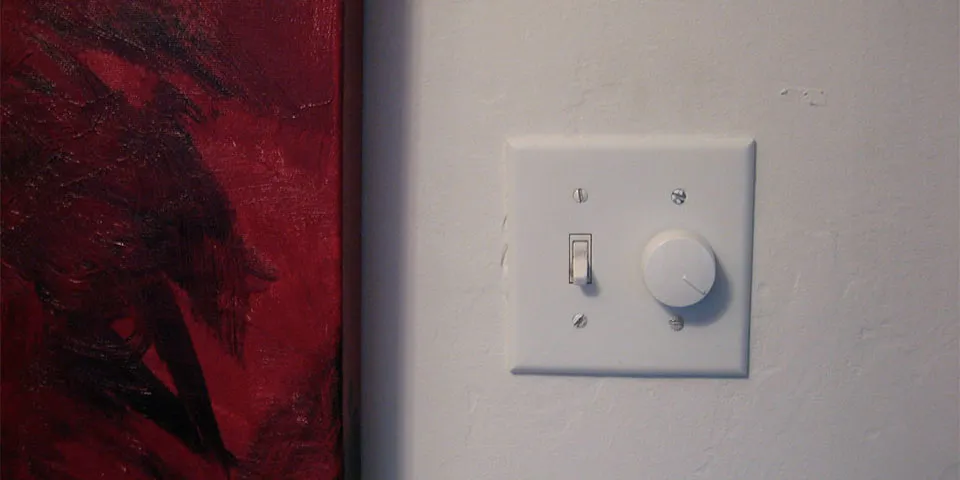
Looking for a way to create a more inviting atmosphere in your home? LED dimmers are a good option. There are various types of LED dimmer on the market, offering different levels of quality and functionality. We can help you make the right choice so you can enjoy a pleasant atmosphere at home.
Why buy an LED dimmer?
LED lighting in your home can sometimes give off quite a bright light. That can be practical, but it does not do much to create a cosy atmosphere. An LED dimmer lets you adjust the lighting to suit the situation. For example, brighter light in the living room can be useful when you are reading a good book. But when you are relaxing together on the sofa, softer lighting is more pleasant. The same applies in a bathroom, for instance. Brighter light is useful when applying make-up, but if you want to relax, it is nice to be able to dim the lights so they are not too bright.
What types of LED dimmer are available?
It is important to know that not every LED lamp can be connected to every dimmer. LED lamps require a so-called trailing-edge dimmer. This newer type of dimmer is particularly suitable for LED lighting because it supplies power gradually, which is better for LED lamps. If you buy a different type, you may encounter problems with the lighting. It may flicker, buzz or vibrate.
What should you look for when buying an LED dimmer?
When buying an LED dimmer, check its minimum load. The dimmer’s minimum load must be no greater than the wattage of the lamp you connect to it. For example, if the lamp is rated at 3 watts and the dimmer has a minimum load of 5 watts, the dimmer may not work properly. Want to connect several lamps to one dimmer? Simply add their wattages together. The total is the minimum wattage the dimmer needs to support. For example, if you want to connect two 4-watt lamps, make sure you buy an LED dimmer rated for at least 8 watts. It is also wise not to choose the cheapest option. These dimmers often have a shorter lifespan and are less user-friendly. Make sure your lamp is dimmable. You can check the packaging or contact the manufacturer.
What about voltage and wattage?
Found the right LED dimmer? You also need to consider whether the LED lighting is dimmed on the primary or secondary side. This depends on the transformer, also known as a ‘trafo’. The mains supply in your home in the Netherlands is 230 volts (high voltage). If you have a 12-volt LED spotlight, for example, you need a dimmable transformer to convert the 230 volts from the mains socket to the lower voltage of 12 volts. The lamp could not handle 230 volts. This also affects how you dim your LED lighting. There are two ways to do this:
With primary-side dimming, the 230-volt dimmer is installed before the transformer. The LED dimmer effectively dims the transformer, which then supplies less power to the LED lighting and reduces its brightness. In this case, you need a dimmable transformer.
With secondary-side dimming, a 12-volt dimmer is installed after the transformer. The transformer does not need to be dimmable. This method is used less often than primary-side dimming. LED lamps are also available that can be connected directly to the 230-volt mains supply. These lamps have a built-in transformer, so you do not need a separate one.
A built-in transformer means you need less space to install the LED spotlights. However, if you choose this option, replacing the spotlights is more difficult if one breaks. A separate transformer is easier to replace. So if you have enough space, it is advisable to buy LED spotlights with a separate transformer. Buy your LED dimmers from the best online shop.
Question about this story? Ask your question
Keep following this
Get an email when a new story is published. No account needed.
- SubjectGeneral







