











Towards a healthy and sustainable school
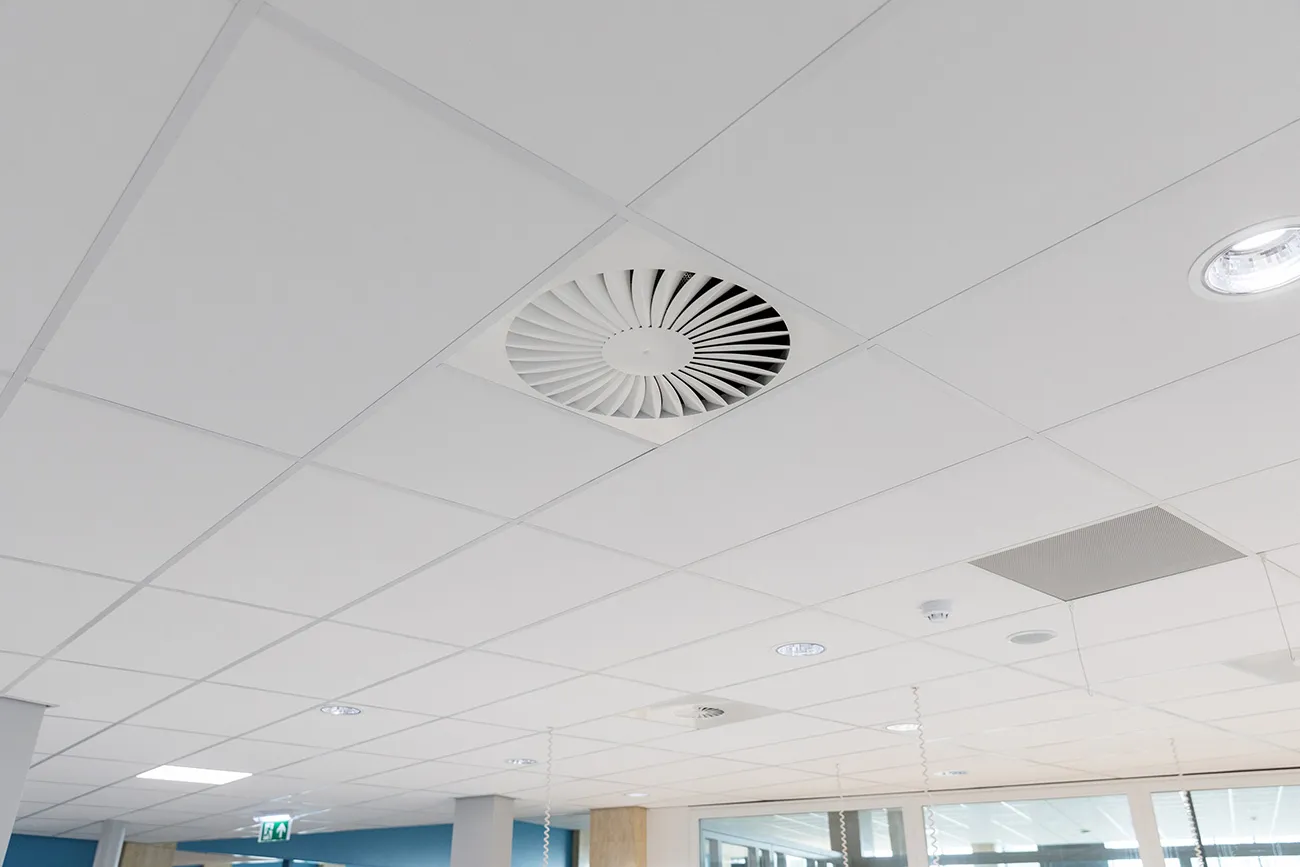
Fluctuating temperatures, stuffy air and high CO2 levels: indoor air quality at Catholic primary school De Marke in Amersfoort is below standard and is even causing physical complaints among pupils and teaching staff. These include fatigue, headaches, red eyes and difficulty concentrating, as well as increased staff absence due to illness. To address these problems and secure a healthy, fresh learning and working environment for the future, the school signed up in early 2022 for the Duurzaam Gebouwd Healthy Schools Expedition. Several Duurzaam Gebouwd partners have since visited the school and examined urgent issues such as ventilation, acoustics, energy and greening. One of these partners was Solid Air Climate Solutions, part of Nijburg Industry Group. In this article, technical adviser Martin Timmermans shares his key recommendations for the school and reflects on the lessons other schools can learn from the project.
Less talk, more action!
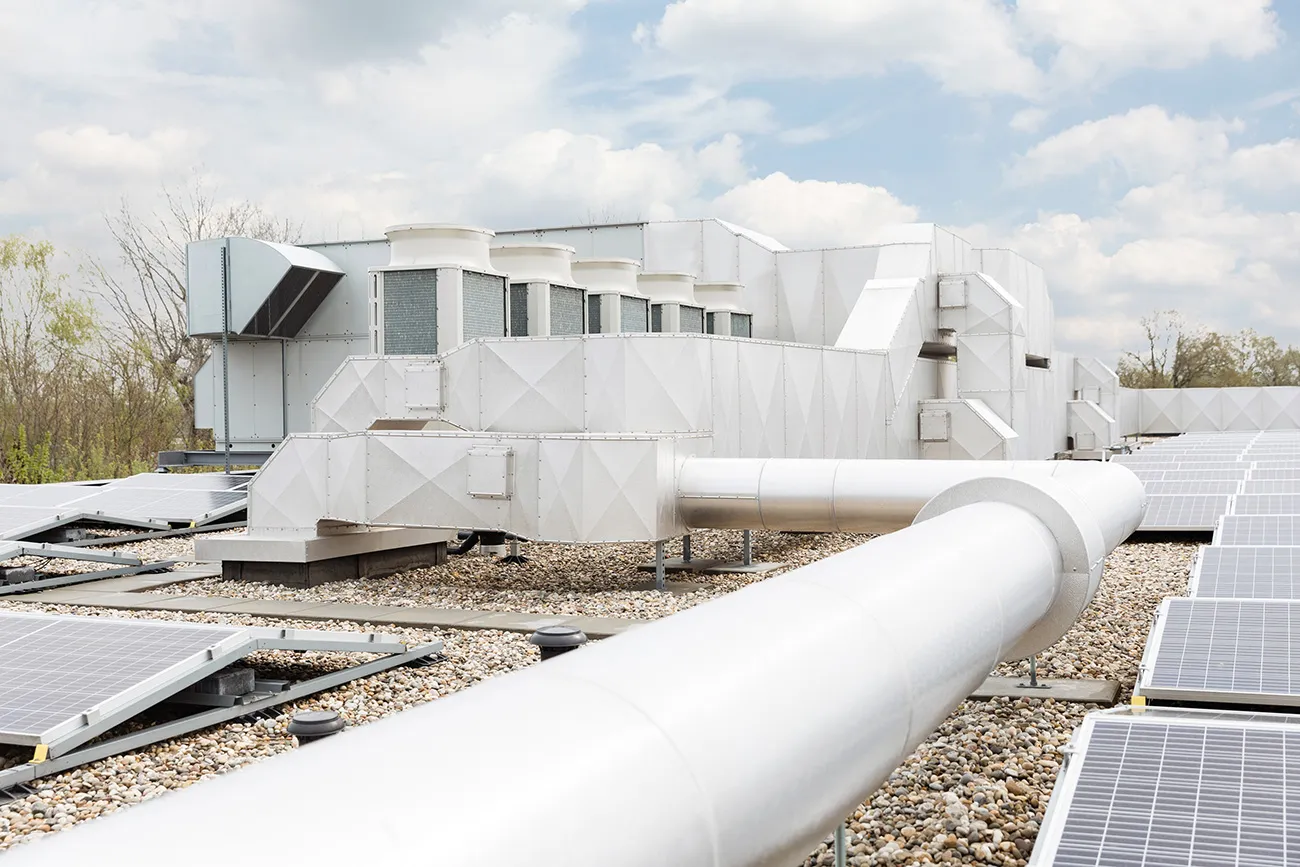
KBS De Marke is in great need of a healthy, fresh working and living environment. However, a combination of organisational circumstances and a lack of knowledge meant that this challenge was put off for years. That changed in 2022, when the school board signed up for the Duurzaam Gebouwd Healthy Schools Expedition. “The Duurzaam Gebouwd Expedition brings developers, architects, contractors and installers together in a working group, which takes on a project or problem each year,” says Timmermans. “Last year, the focus was on Healthy Schools, because it is a highly topical and urgent issue. The challenge of creating healthy, sustainable school buildings in our country is enormous. Although the coronavirus pandemic brought the issue sharply into focus, many of our school buildings still fail to meet the minimum standard for healthy indoor air. KBS De Marke is one of them, which is why it was selected as a case study.”
Interesting, but not unique
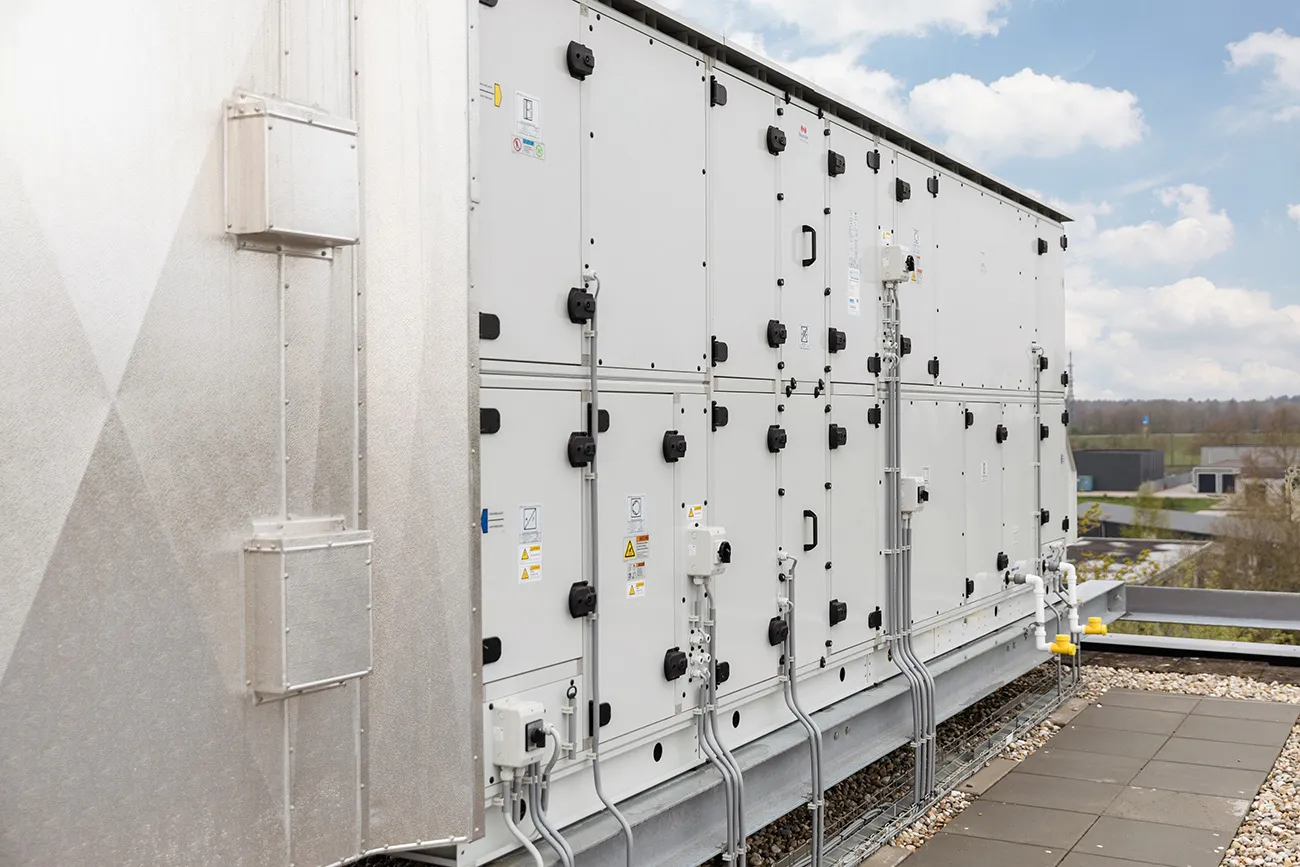
KBS De Marke is based in De Brink, a multi-purpose centre in the Vathorst district of Amersfoort. The building was designed and constructed between 1999 and 2003 and accommodates several schools, a nursery and leisure facilities. “The school is part of the SRO foundation and rents its teaching spaces from the municipality of Amersfoort,” says Timmermans. “It also shares its outdoor space with various other users, making improvements, sustainability measures and greening more complicated. In fact, nobody really knows exactly how to approach projects like this, what the right steps are or where the funding should come from. That made this case study extremely interesting. In a working group with three architects, a greening specialist, an acoustics specialist, a supplier of decentralised ventilation systems and a project supervisor, we developed a range of recommendations.”
A matter of urgency
“In a number of sessions, we familiarised ourselves with the school, the building, the outdoor space and the issues at hand,” says Timmermans. “We also identified the challenges for each topic and brainstormed possible solutions.” Solid Air Climate Solutions contributed its knowledge of indoor air quality. “As a building services consultant, we first assessed the current situation. We also carried out various measurements, which revealed worrying results, particularly in relation to CO2 levels. While a few years ago the government concluded that indoor air quality in the building met the standards, we measured levels above 2,500 ppm! There is an enormous need to address the situation in this building. We provided all the evidence to support this. We also compared the measurements and findings with the Fresh Schools Class B guidelines: what does the school want to achieve, and how can it best get there on paper?” The final report will be published shortly, says Timmermans. “We discussed our recommendations verbally at the 2022 Sustainable & Healthy Schools Conference, where the school was also able to put its questions to all the conference participants.”
The school takes the lead
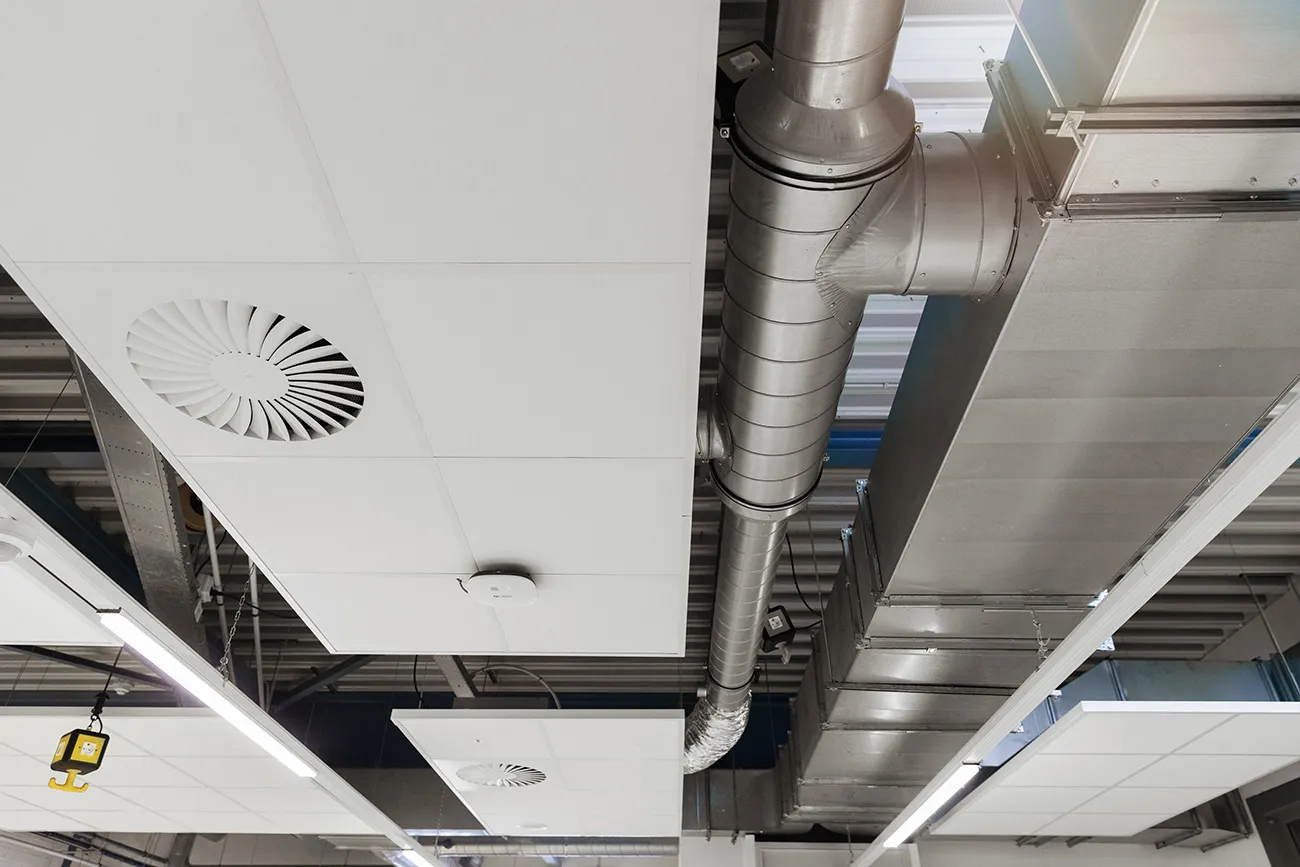
Now that the Healthy Schools Expedition has concluded, the ball is in KBS De Marke’s court. “It is up to the school to firm up the options and set out its requirements,” says Timmermans. “One major challenge is that the building’s design documentation is missing. This also applies to the ventilation system.
At the time, a unique decentralised concept was chosen for each cluster of classrooms, but nobody knows exactly how it works or is supposed to work. The supplier no longer exists, and unfortunately, maintenance has also been inadequate. It is therefore essential to carry out a baseline assessment first. This will make it possible to identify potential technical modifications, along with their associated costs and financing options.”
The importance of evidence
KBS De Marke shows how complicated the path to a healthy, fresh school can be. “One additional complicating factor is that many schools are left crying out for help,” says Timmermans. “As a tenant in an office building with poor indoor air quality, you can terminate your lease and move elsewhere. Schools, however, are tied to the buildings they occupy. It is also often difficult for them to secure sufficient funding for improvements. Our advice to these schools is to gather enough evidence first. Solid Air Climate Solutions is happy to help, with extensive monitoring, reporting and advice. The GGD can also provide support.”
Once the urgency has been set down in black and white, school boards, municipalities and other stakeholders will have to take action, Timmermans stresses. “We are also happy to support schools at this stage, with an extensive range of products, from air handling units to air distribution technology and control systems. As a specialist group of companies, we also have all the expertise in-house to deliver ventilation systems, from advice and design to commissioning. Because we manufacture our own products, we know our components and their properties inside out. The same goes for the possibilities they offer.”
A healthy learning environment, sustainable design
A number of systems are currently being developed specifically for schools. They will be flexible and relatively easy to install in both renovation and new-build projects. “These systems will, of course, comply with the Fresh Schools Programme of Requirements, Classes B and A. However, we are not interested in simply shifting boxes. We want to work together, taking needs and circumstances into account, to develop the optimum building services design, with a healthy learning environment and sustainable design at its heart.”
Question about this story? Ask your question
Keep following this
Get an email when a new story is published. No account needed.
- ThemeHealthy indoor air
- SubjectGeneral







