











Utility Grid Congestion White Paper offers practical tips for tackling grid congestion with heat pumps
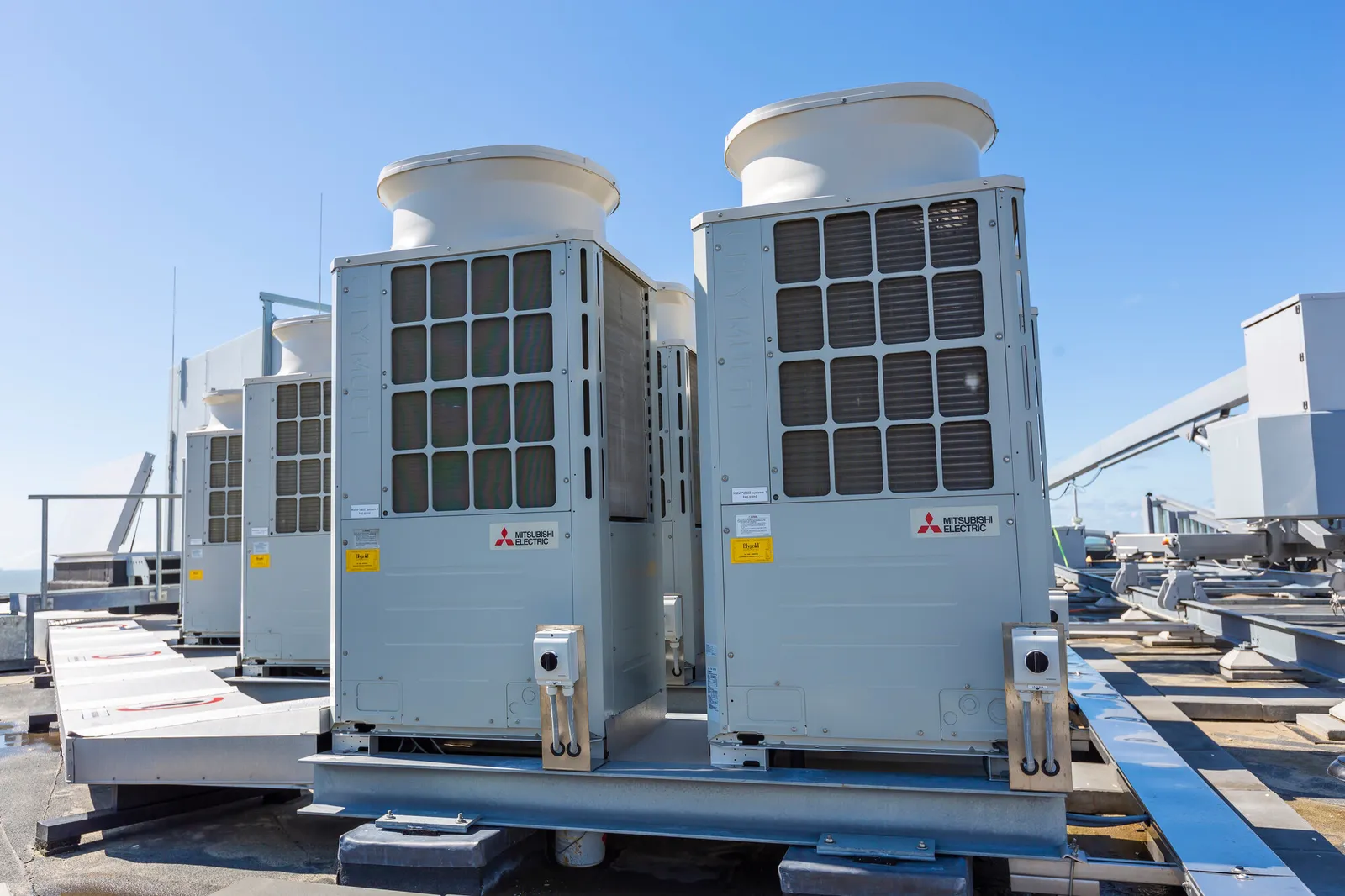
The energy transition is well under way. Natural gas is increasingly being replaced by electricity as an energy source. This is necessary to meet climate targets, but it also creates a new problem: grid congestion. Fortunately, heat pumps combined with smart energy management can go a long way towards addressing this issue. Alklima’s new Utility Grid Congestion White Paper tells installers and consultants how they can tackle it.
All-electric heat pumps are sometimes singled out as one of the ‘culprits’ behind grid congestion. But it is important to see them as part of the solution. They can help address the problem when their energy use is managed intelligently. For example, we can avoid using electricity for heat pumps during peak periods, helping to ensure that a higher-capacity grid connection is not always needed. In 2024, Alklima published its Residential Grid Congestion White Paper, which provided practical guidance on using heat pumps in housing to reduce grid congestion. The Utility Grid Congestion White Paper does the same, but focuses on applications in utility buildings.
Peak shaving
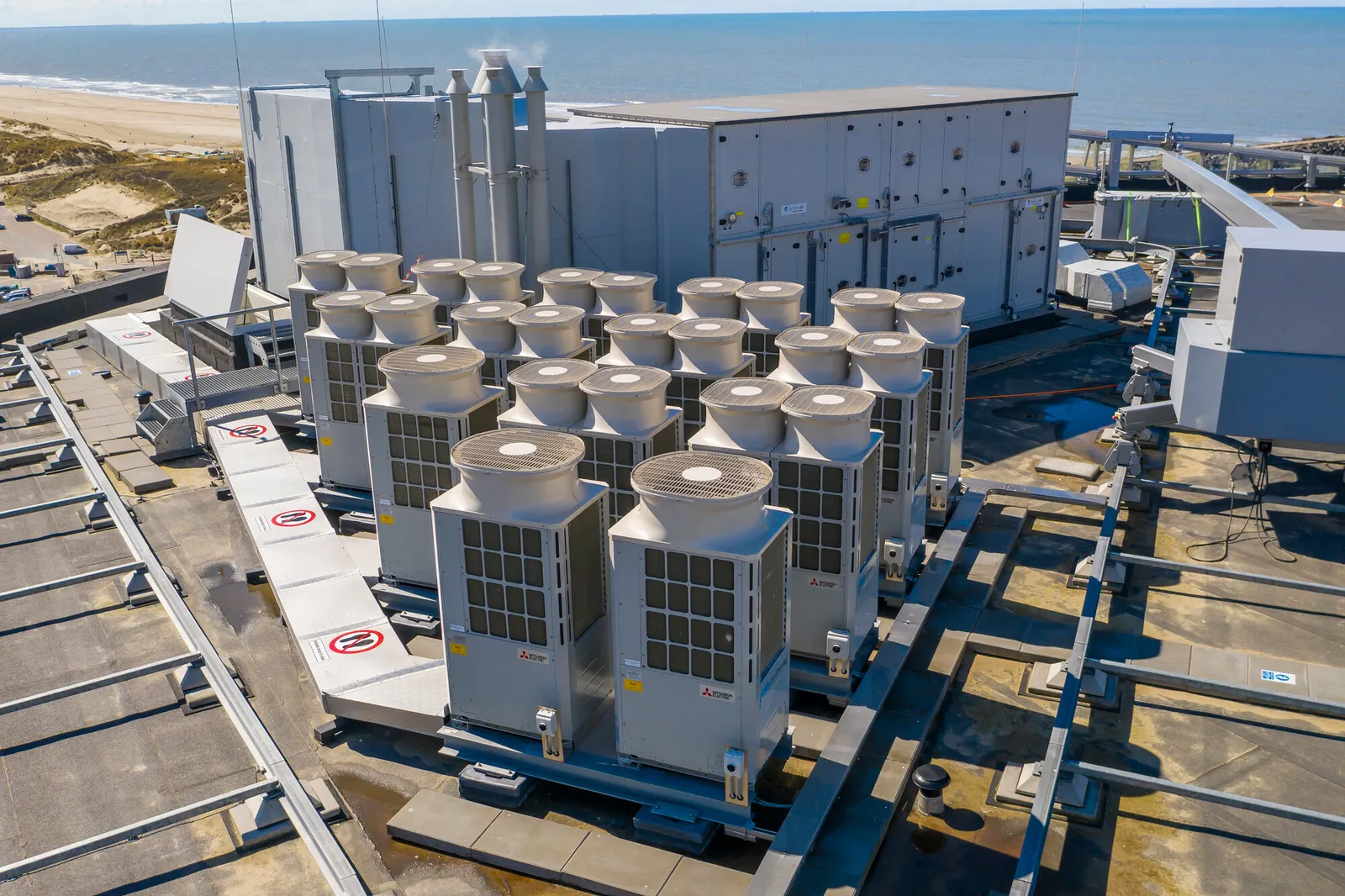
Grid congestion occurs when many buildings need a lot of electricity at the same time. Outside these peak periods, there is usually no problem. The aim, therefore, is to shift as much consumption as possible outside peak hours. This helps flatten the peak: peak shaving. Mitsubishi Electric’s (H)VRF heat pump systems are ideally suited to this approach. Thanks to advanced controls, these units temporarily reduce their output during peak periods, when configured to do so, without compromising comfort in the building.
Configure five scenarios
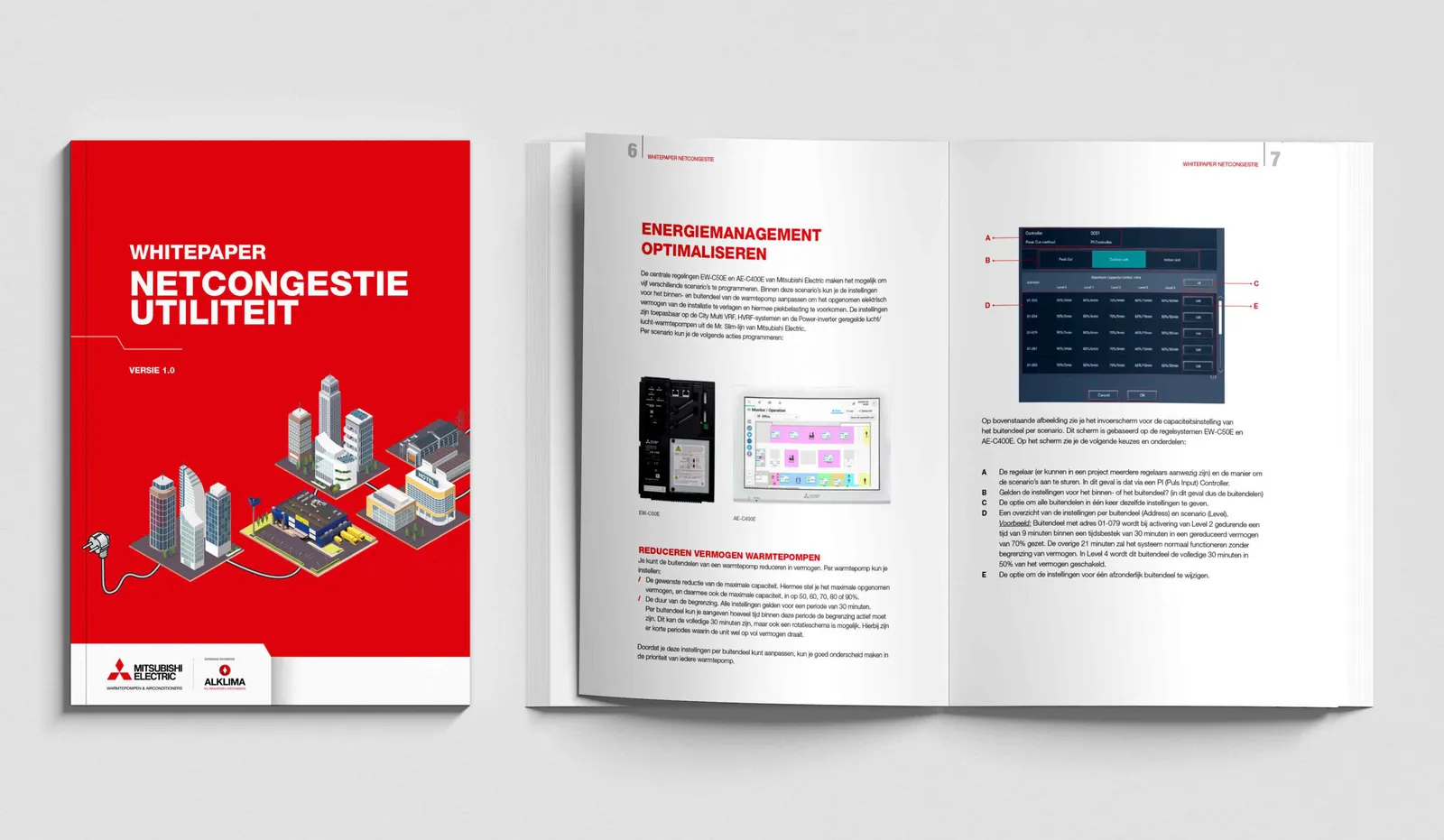
The white paper explains how installers, consultants and building owners can programme five different scenarios using Mitsubishi Electric’s central controllers (EW-C50E and AE-C400E). These scenarios adjust the settings of the heat pump’s indoor and outdoor units. This allows the system’s output to be temporarily reduced to prevent peak loads. The document explains how this works, step by step. Clear illustrations show how the controller screens are laid out and which functions they offer.
Connections to kWh meters
Reducing the heat pump’s power input requires data from an external kWh meter. The white paper therefore also shows the different ways installers can connect to an electricity meter. Another option it covers is applying a basic output reduction control without configuring scenarios. In this case, the installer only reduces the output of the heat pump’s outdoor units. The document also clearly explains how to do this.
More options with underfloor heating
Combining an air-to-air heat pump with an air-to-water heat pump for underfloor heating is common. This provides an ideal mix of the comfort of radiant heating and the responsiveness of air heating. Mitsubishi Electric’s Ecodan air-to-water heat pump is fitted with a buffer tank, offering even more options for peak shaving. When a peak occurs on the electricity grid, the heat pump can reduce its output or switch off completely, using heat from the buffer tank instead. The white paper explains how installers can configure this control strategy.
Download the white paper
The Utility Grid Congestion White Paper is now available to download free of charge. Visit https://hello.alklima.nl/whitepaper-netcongestie-utiliteit.
Question about this story? Ask your question
Keep following this
Get an email when a new story is published. No account needed.
- ThemeGas-free heating and cooling
- SubjectGeneral







