Look after your central heating water!
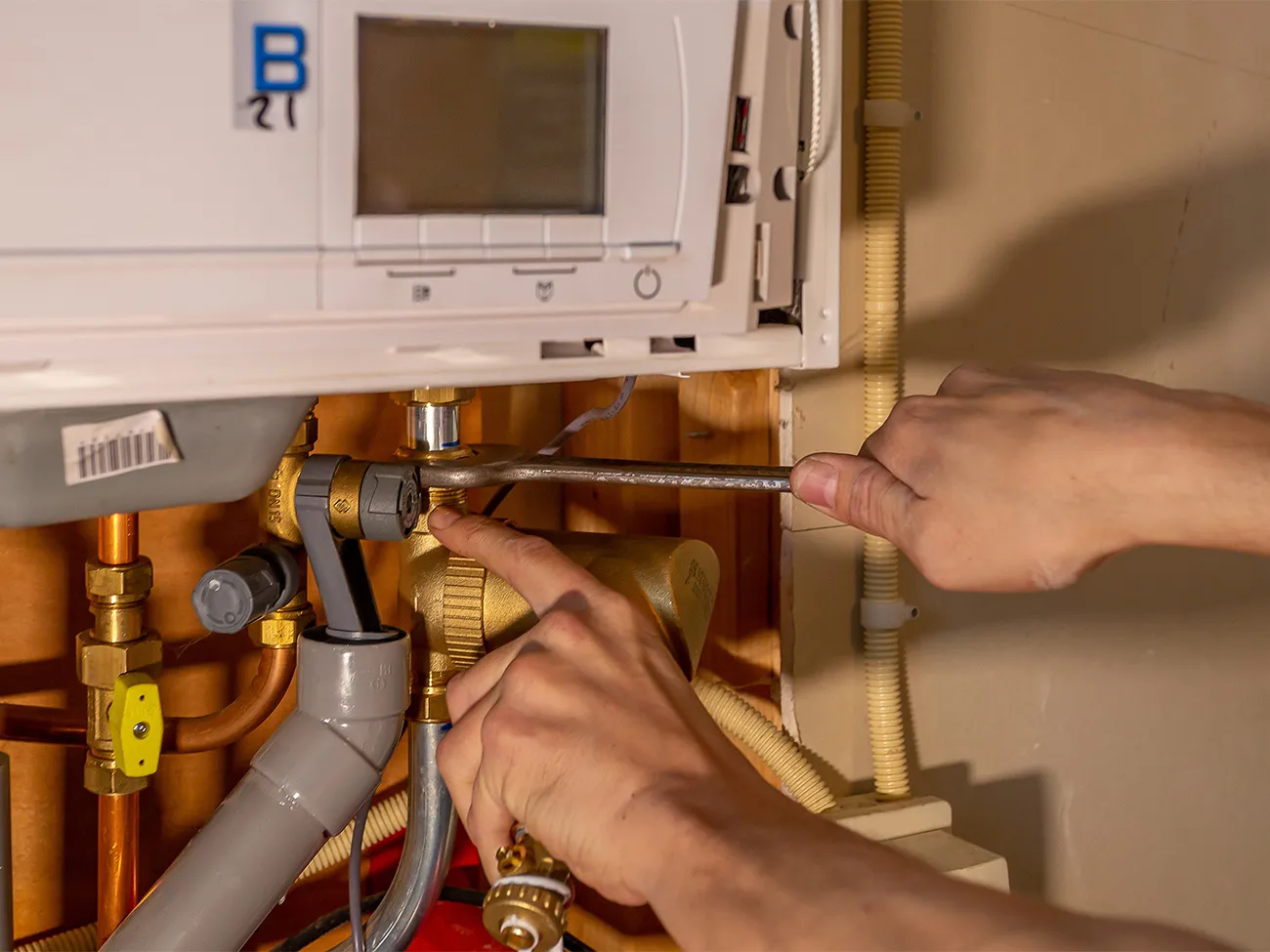
To reduce our CO2 emissions, we are investing heavily in additional, new and/or improved insulation materials and systems. Most homes and district heating systems in the Netherlands already use efficient, modulating high-efficiency condensing boilers. In addition, pipes, radiators and radiator valves are adapted, relocated and/or replaced wherever necessary and possible. Yet one aspect is often overlooked in the drive to make buildings more sustainable: the central heating water.
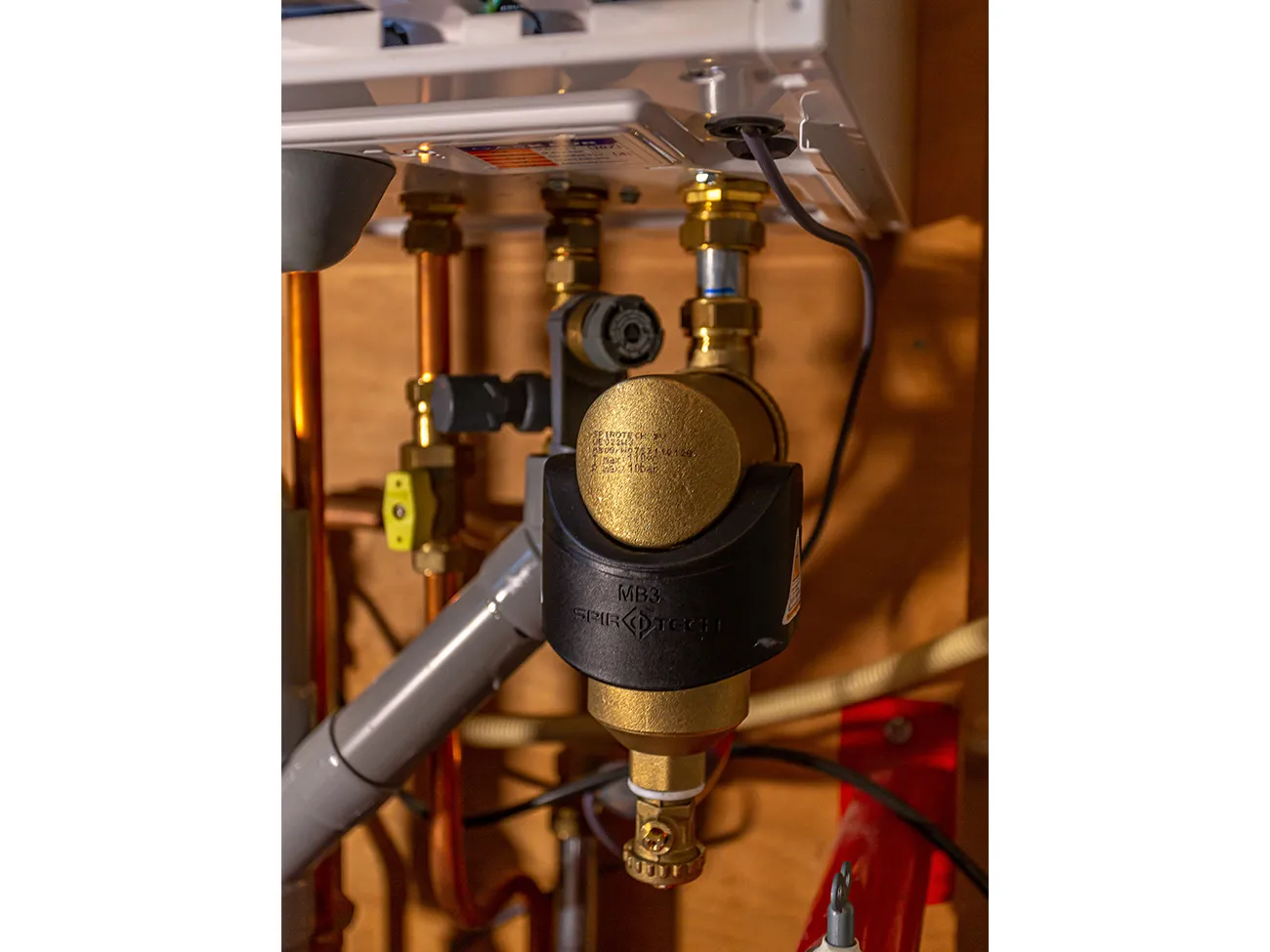
Most central heating systems in the Netherlands use mains water, which is repeatedly subjected to temperature changes. The water also constantly comes into contact with plastic and metal components in the pipes and boiler. As a result, various substances dissolve in the water, affecting its acidity, conductivity and hardness. The iron, chloride and iron oxide content also changes.
Oxygen is the culprit
When too much air enters the system and oxygen, iron and water come together, serious problems can arise. ‘Black rust’ (magnetite) and troublesome deposits in the central heating pipes can then form, increasingly restricting the flow of the heating water until it eventually stops altogether. This is why radiators are still replaced on a large scale in many buildings, because they no longer heat up. This is not only wasteful, but also unnecessary.
In the past, water at a high temperature (70-90°C) was always sent to the radiators. Today, however, the temperature is kept as low and constant as possible, because this is more efficient and makes the most of the energy-saving potential of the high-efficiency condensing boiler. The latest systems operate at low temperatures (< 50°C) for much of the year, and heat pumps also generally operate at temperatures below 50°C. This brings new challenges, because oxygen stays dissolved for longer in relatively colder water. This gives the oxygen more time to react with iron, which can eventually lead to contamination problems and damage to central heating pipes. Heat exchanger and pump failures are also a risk.
Vent and check
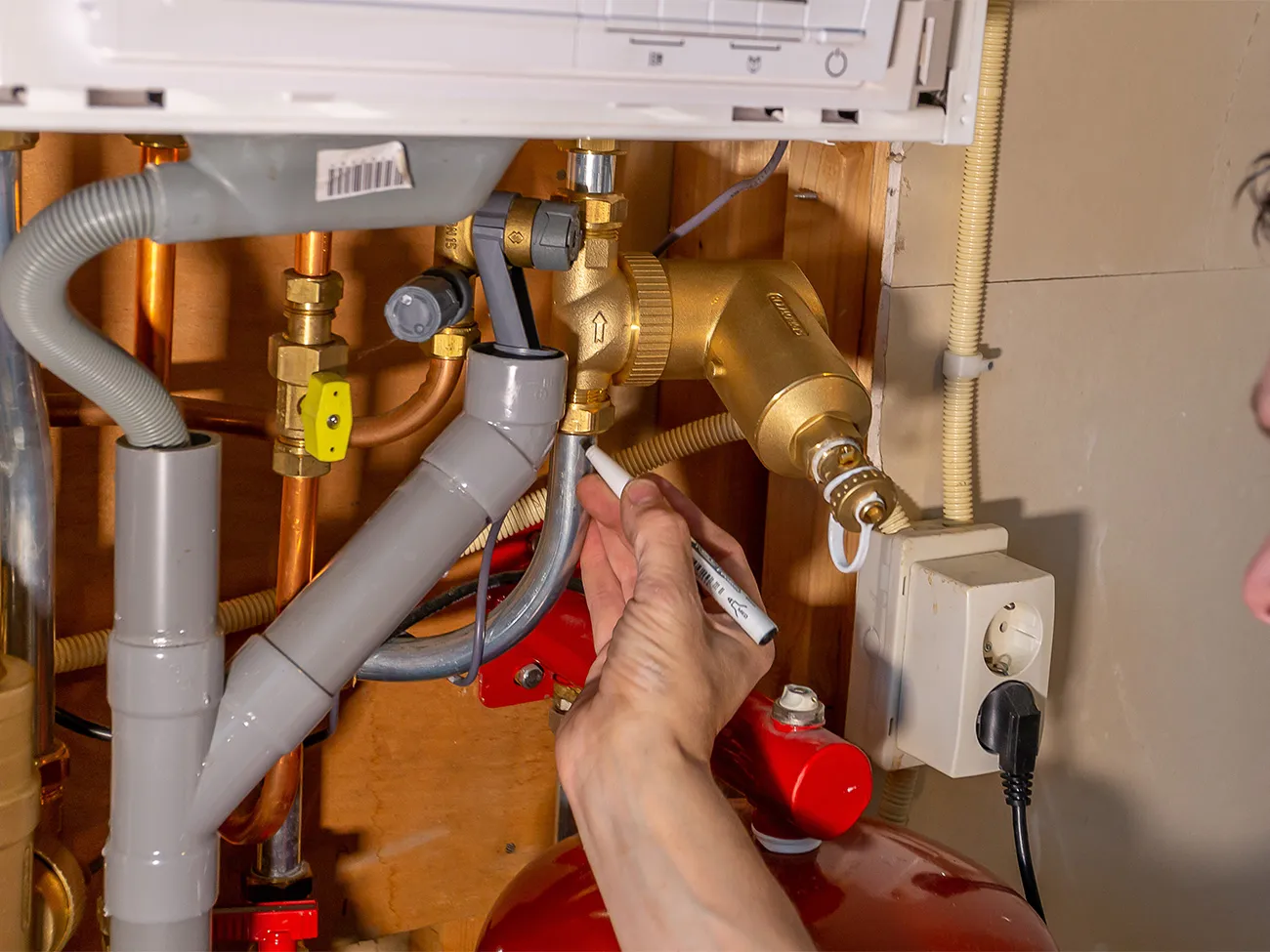
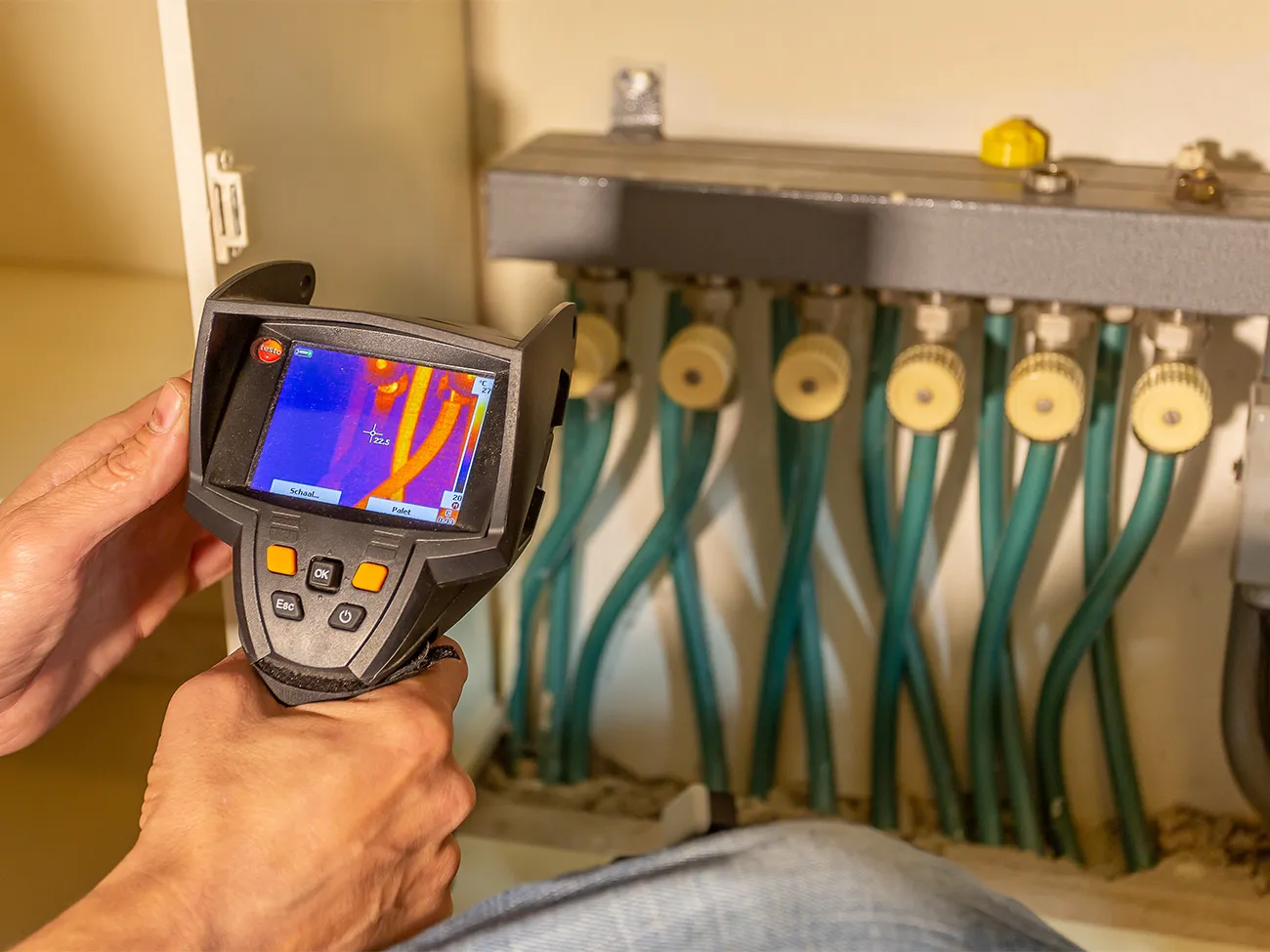
Even in the most expertly installed systems, we cannot prevent oxygen from entering the central heating water. What we can do is remove air from the pipework as quickly as possible and check the quality of the heating water periodically. A good magnetic filter is recommended to prevent contamination of the heating water. A filling unit can also soften mains water as the system is filled. Air and gas separators are essential too. While a microbubble air vent is often sufficient for smaller systems, vacuum degassers are more suitable for larger installations. They can improve a system’s efficiency by up to 10 per cent!
New: SpiroVent Superior S250
Whether you need air removal, dirt separation or pressure maintenance, Spirotech offers a suitable solution for every system. New to the range is the SpiroVent Superior S250 for light commercial applications. This unique, efficient and powerful vacuum degasser automatically removes dissolved and released gases from the system water in closed heating and cooling systems, based on Henry’s law. A Venturi Loop ensures smooth, quiet degassing and a long service life for the centrifugal pump.
Interested in the SpiroVent Superior S250 or other Spirotech products? Visit us at VSK 2022.
You will find Spirotech in Hall 7, stand D23.
A business enquiry for Spirotech? Get in touch
Companies in this story


Keep following this
Get an email when a new story is published. No account needed.
- SubjectVSK
- CompanySpirotech
- CompanyVSK