‘Clean air is essential, including in educational buildings’
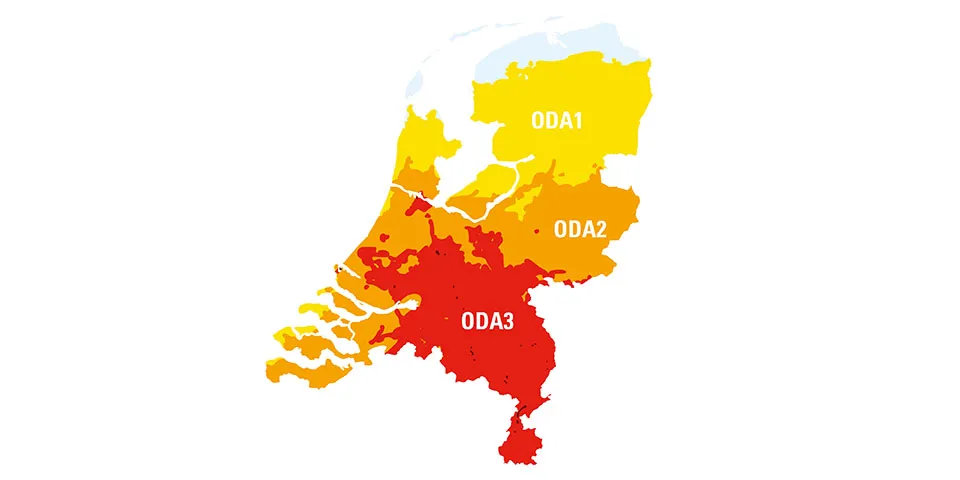
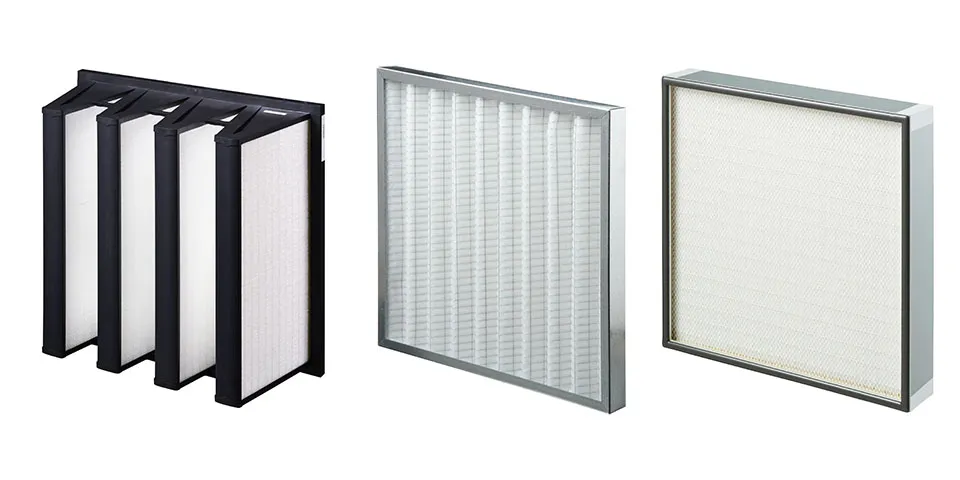
To ensure optimum indoor air quality, temperature, humidity and CO₂ levels are widely monitored in the Netherlands and Belgium. However, monitoring particulate matter is at least as important, AFPRO Filters says. This can help prevent problems such as cardiovascular disease, respiratory problems and cancer. To filter even the smallest and most harmful particulate matter (PM1) from the air, the developer and manufacturer of energy-efficient particulate air filters is now introducing the AFPRO A+ filter. This bag filter complies with the ISO 16890 standard and features an optimised filter design, low air resistance and very high energy efficiency. It is no coincidence that this design has been awarded a Eurovent A+ energy label. The renowned pre-layer makes the AFPRO A+ filter very safe and easy to install in any air handling unit.
The AFPRO A+ filter consists of a synthetic fibre-protective layer, a high-quality micro-glass fibre filter medium with optimum filtration efficiency, and a synthetic pre-layer.
The major cities of the Netherlands have excessive levels of particulate matter in the air. This pollutes not only the air in our commercial buildings and homes, but also affects schools. However, while particulate filters are becoming increasingly commonplace in commercial buildings and homes, the education sector is lagging behind. In Amsterdam, for example, no fewer than 26 primary schools are located in a particulate matter zone. The Gezonde Scholen Amsterdam programme was launched in 2015 to filter particulate matter, keep CO2 concentrations in schools at the right level and ensure classrooms have enough clean air. With support from the municipality, all schools in the particulate matter zone could have a ventilation system installed. The plans were ambitious: by 2018, most schools were expected to have a particulate filter with an ePM1 of 85% (F9). However, research by De Groene Amsterdammer and OneWorld shows that nine schools still have no system or one that is inadequate. In addition, the playgrounds at many primary schools are barren expanses of concrete, which means they do little to capture particulate matter either. The municipality of Amsterdam has since contacted these schools and introduced a new support scheme. A greening scheme has also been launched for the concrete playgrounds, so that children in Amsterdam can learn in a healthy, fresh and green environment.
Particulate filtration in schools is (still) not a priority
Particulate matter is a problem beyond Amsterdam. Rotterdam and the city centres of Utrecht, Eindhoven and The Hague are also badly affected. Each has its own schemes, according to an overview by the national GGD Air working group. Rotterdam, for example, has an ‘ambition profile’ for new buildings, but no overview or subsidy policy for existing schools in particulate matter zones. The municipality of Utrecht issues ‘health advice’ when new schools are built, while the municipality of The Hague requests ‘tailored advice’ from the GGD for existing schools near busy roads. Eindhoven has no policy yet for schools in areas with high particulate matter levels. This is cause for concern. “We breathe every day, every hour, every second, without giving it a thought,” says Joost Verlaan, Vice President at AFPRO Filters. “If we did, we would be shocked by the number of toxic particles entering our bodies with every breath. Our respiratory system can filter out the larger particles effectively, but it is the smaller, invisible ones that cause the most damage over the long term.” Pollutant molecules are everywhere and can make it difficult to breathe or even lead to chronic respiratory diseases. These particles can also enter the bloodstream, making the blood thicker and potentially leading to heart failure or thrombosis. Clean air is essential in the fight against these effects.
“‘Fortunately’, most people spend 90% of their time indoors,” Verlaan says. “That is an environment we can regulate effectively. For example, by installing a high-quality air filtration system with our latest AFPRO A+ filter, we can clean up to 99.9% of polluted air!”
Low resistance, high efficiency
The AFPRO A+ filter was developed and manufactured entirely in-house by AFPRO Filters. It features a galvanised steel and aluminium frame containing a synthetic fibre-protective layer, a high-quality micro-glass fibre filter medium with optimum filtration efficiency, and a synthetic pre-layer that optimises dust-holding capacity and makes installation considerably easier. “Because air can pass through the filter medium with minimal resistance, even the smallest particulate matter can be captured efficiently. The result is optimum indoor air quality and very low Life Cycle Costs (LCC).”
By installing the new AFPRO A+ filters, the Amsterdam University of Applied Sciences (HvA), among others, saves € 15.000 a year on energy and LCC costs, with no additional investment required. Simply replacing the traditional bag filters with HQ air filters was enough.
Question about this story? Ask your question
Keep following this
Get an email when a new story is published. No account needed.
- ThemeHealthy indoor air
- SubjectHVAC