











Earn BREEAM credits with versatile leak detection systems
Since its establishment in 1999, HVAC Nederland has grown into a leading manufacturer and supplier of indoor climate solutions. In its early years, the company focused on importing air conditioning systems. It has since developed into a full-service supplier of products including air curtains, ventilation systems, nozzle ducts and leak detection systems for commercial buildings and industry. In 2022, this last product group is an important and often decisive factor in securing BREEAM credits. Frank Joosten tells us more on behalf of HVAC Nederland.
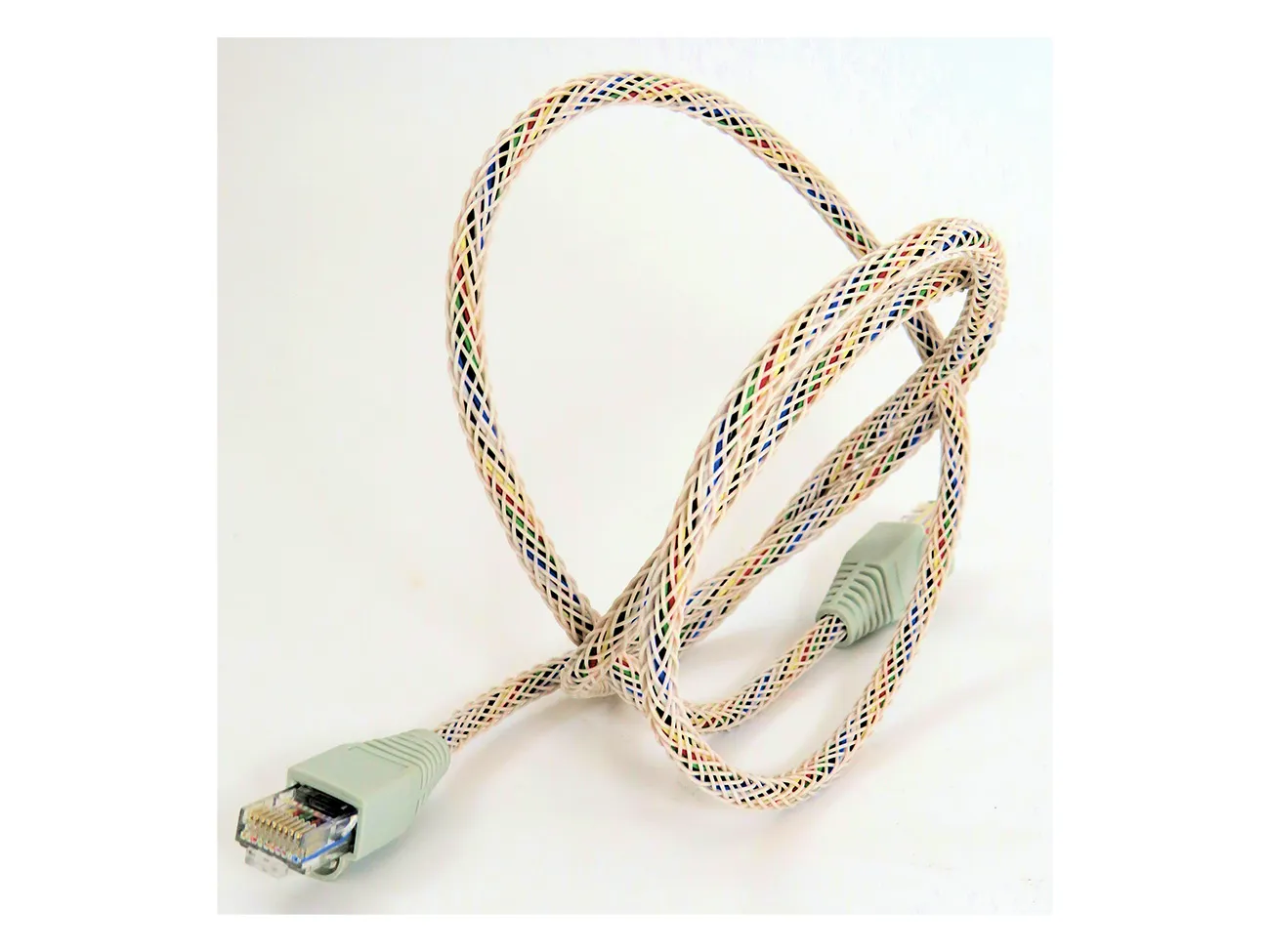
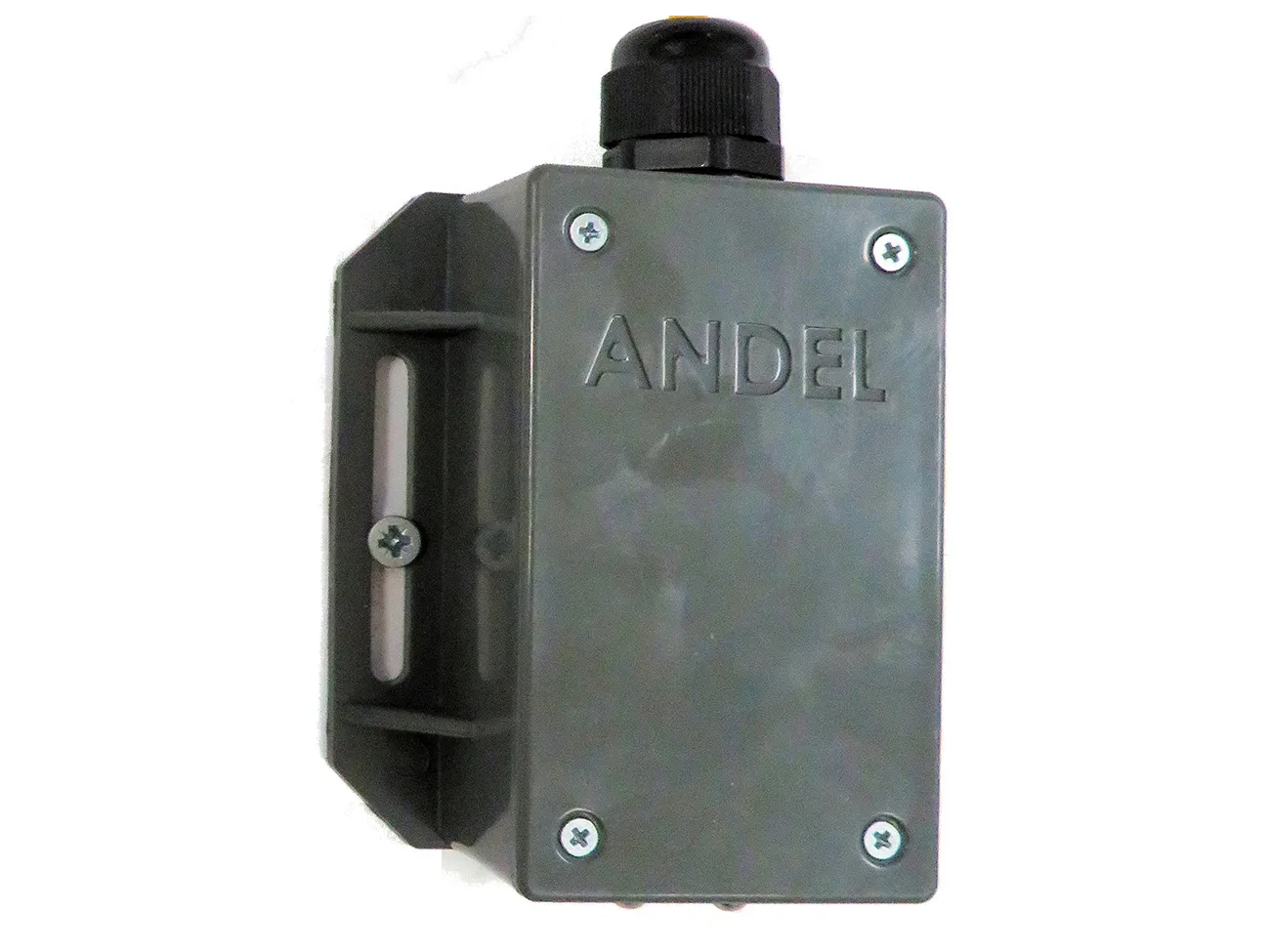
Leak detection systems for water, gas and oil come in many types, sizes and brands. Asked about the principle behind them and their purpose, Joosten’s answer is crystal clear. “Put simply, a leak detection system is designed to detect leaks at an early stage, for example in a server room. A conventional leak detection set-up can be used for this. It typically consists of a control panel (hybrid leak detection, ed.), leader cable, detection cable and/or sensors. However, this only allows you to detect and register a leak. To go a step further, the system can switch solenoid valves and tackle the problem at its source. This is precisely where the unique and highly detailed leak detection systems from British manufacturer Andel have been the solution of choice for around 30 years. Each of these products meets the applicable criteria, and some are specifically designed to earn BREEAM credits.”
A considered choice
At HVAC Nederland, only the very best will do. The decision to serve the market with Andel’s smart, high-quality leak detection solutions was therefore an obvious one. “Andel equipment stands out first and foremost because leaks are monitored and detected by zone,” says Joosten. “This means you know exactly where the leak is. That not only saves a lot of time searching and prevents potential damage, but also allows you to act quickly to stop the problem from getting worse. Andel systems can also read alarms from competing brands. A third advantage is the ability to use a wide range of detection devices. We offer various technologies and products for detecting leaks, including point sensors, different types of detection cable, mats and tapes, light sensors, cables for installation beneath pipes, and cabling for drip trays. These are all quality products, and they can all be connected to the same control panel. That makes things especially easy and clear.”
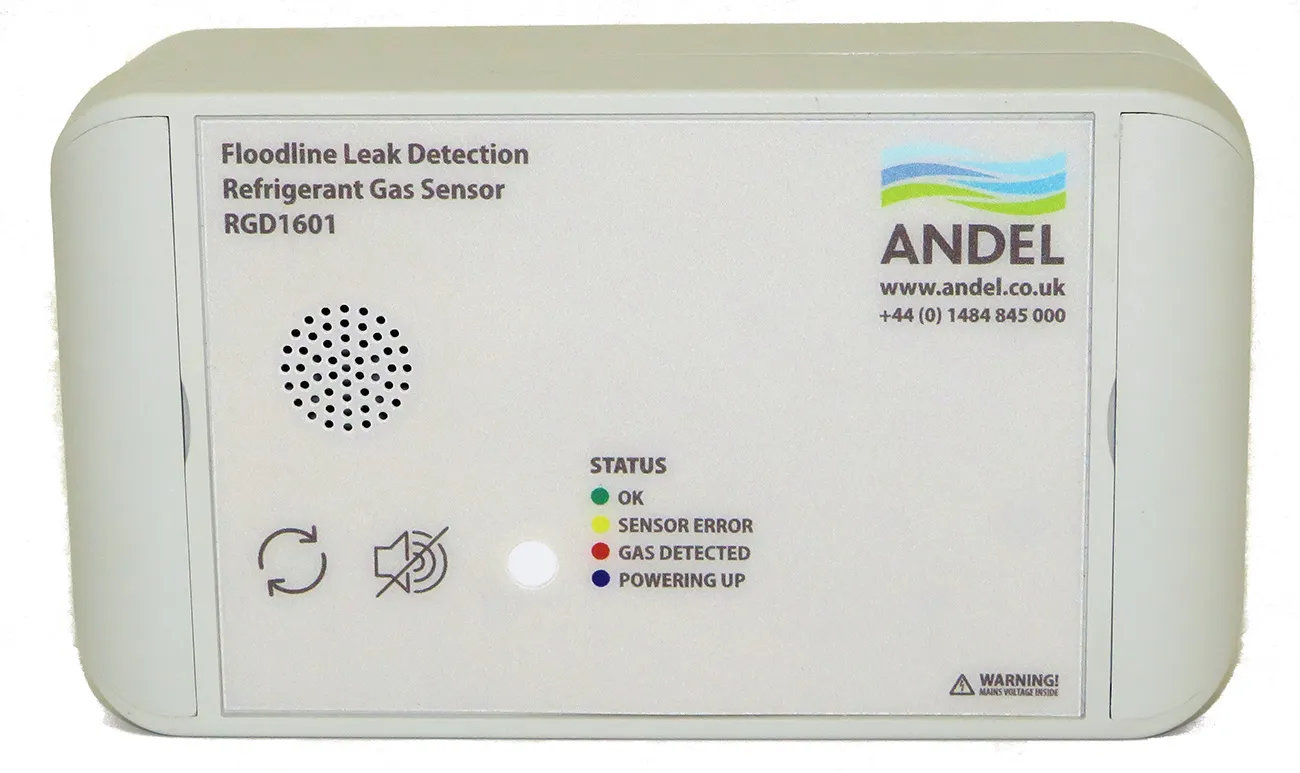
According to Joosten, the Floodline Breeameter and Floodline RGD1601 refrigerant gas sensor (see boxes) deserve special attention. The advanced WC Auto isolator is also worth noting: this motion sensor for toilets automatically shuts off the water when nobody is in the room. “In the latter case, it is not so much about detection as water saving. Our products also make a valuable contribution in this area.”
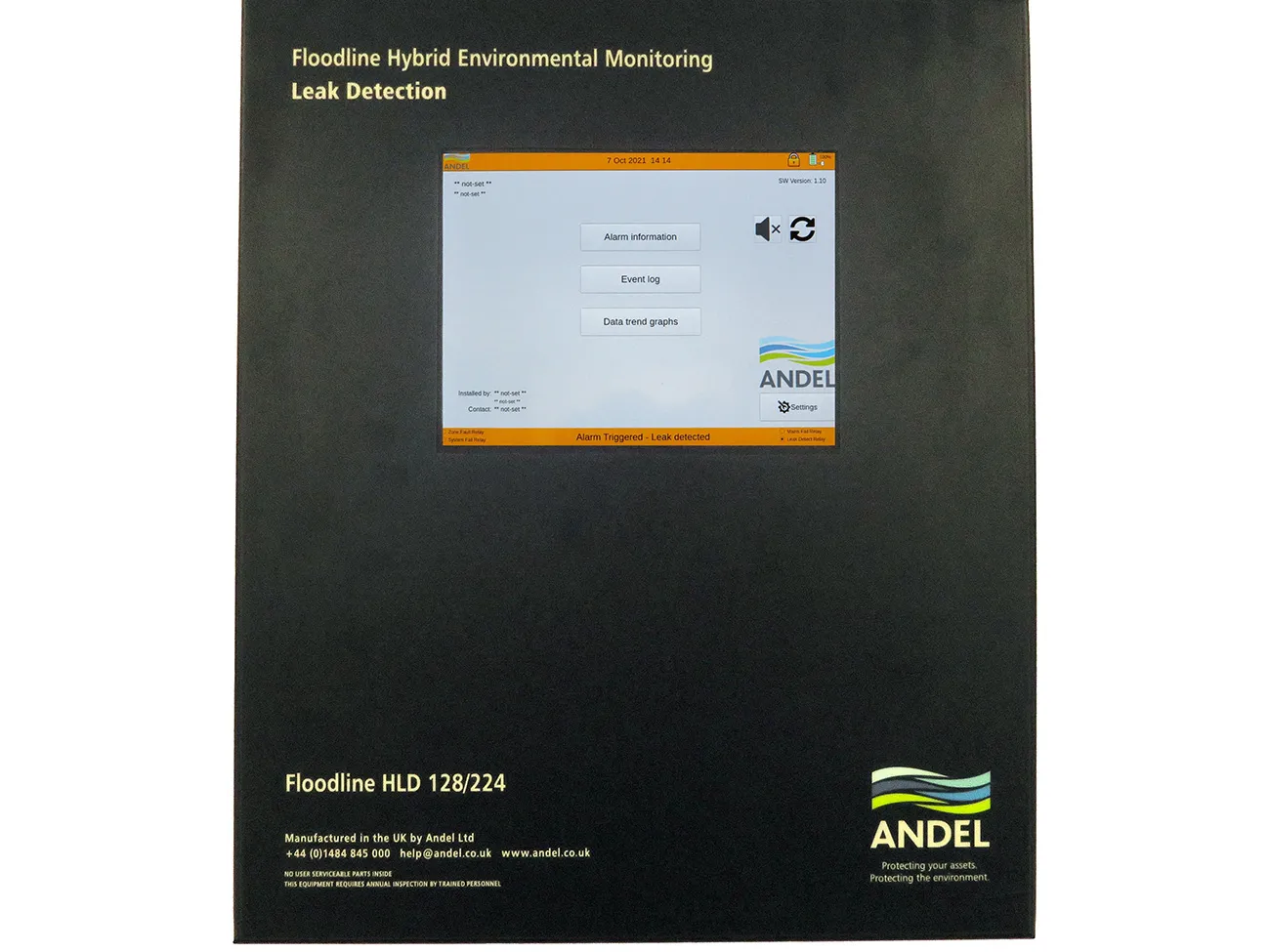
Floodline Breeameter
The Floodline Breeameter provides flow monitoring and water leak detection in accordance with the defined WAT03 standards, helping to secure credits. The system actively monitors the mains water supply and checks the pipework for leaks. It also uses flow rates and volumes measured by its internal flow meter to identify excessive water consumption.
Floodline RGD1601 refrigerant gas sensor
The Floodline RGD1601 refrigerant gas detector can be used as a standalone unit or connected to a Floodline alarm panel. Designed to detect refrigerant gas, the sensor is powered by 110-230Vac or 12-24Vdc. The unit is calibrated to detect the required refrigerant gas, such as R134a, R410a, R407c or R404a. The sensor is fitted with a volt-free contact and has visual and audible alarms and operating modes.
Question about this story? Ask your question
Keep following this
Get an email when a new story is published. No account needed.
- SubjectHVAC







