Facts and fiction about infrared heating
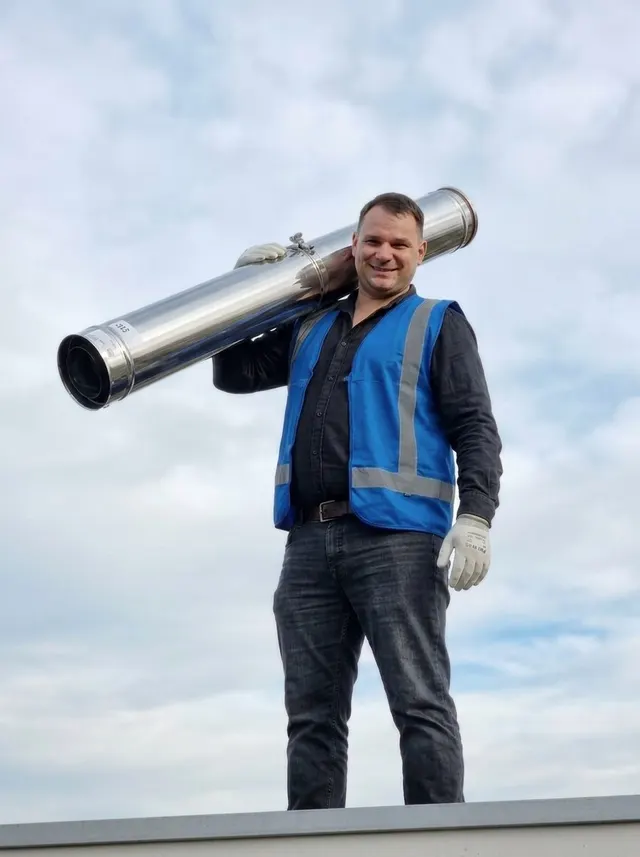
Many people are still unfamiliar with heating films. This is the product LVS Verwarming specialises in and sets itself apart with. The company has been supplying, manufacturing and installing high-quality electric heating products for more than twenty years. Managing director Jolanda Ligthart is happy to explain the facts and fiction surrounding electric heating films.
The benefits of heating film
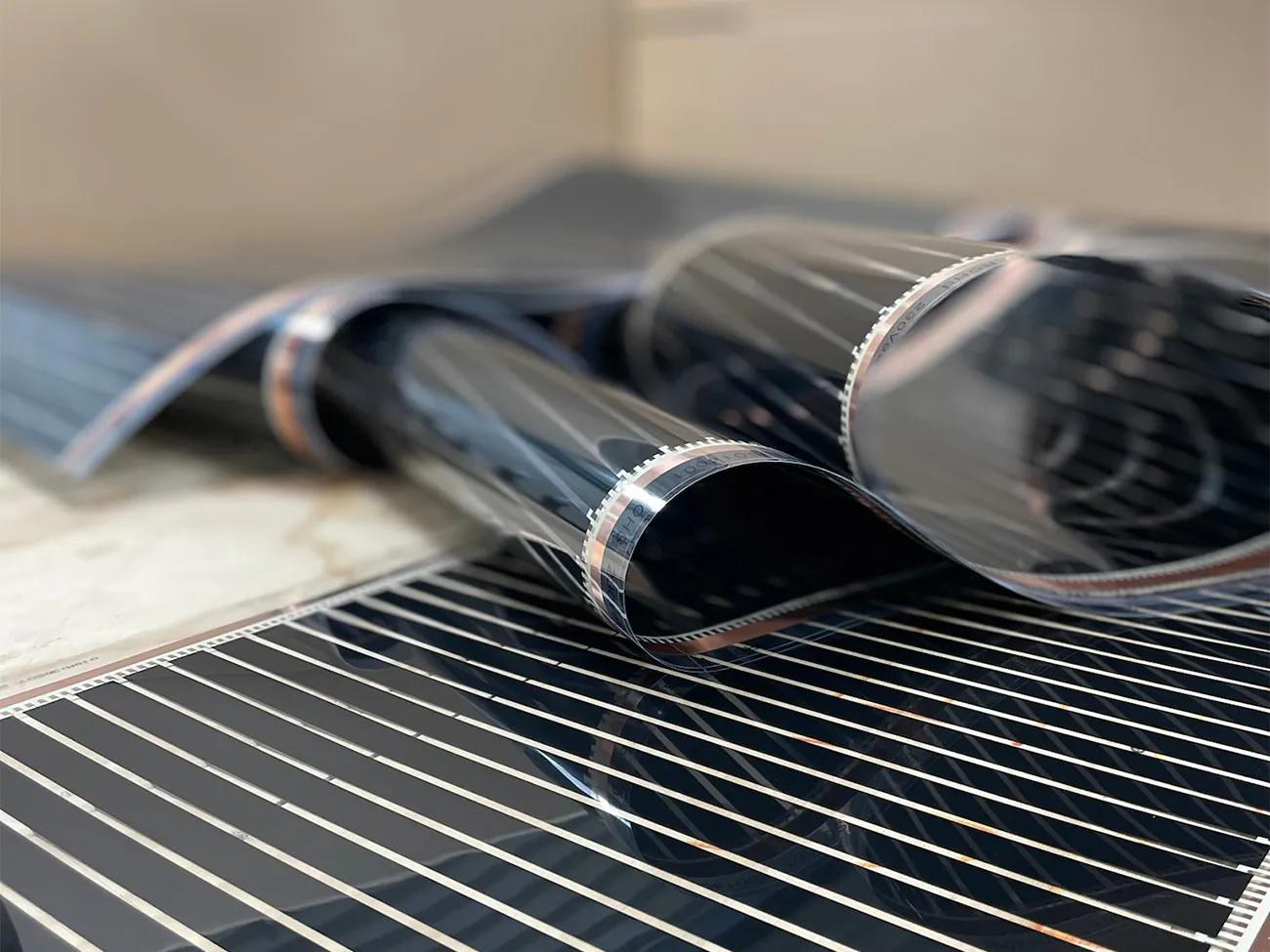
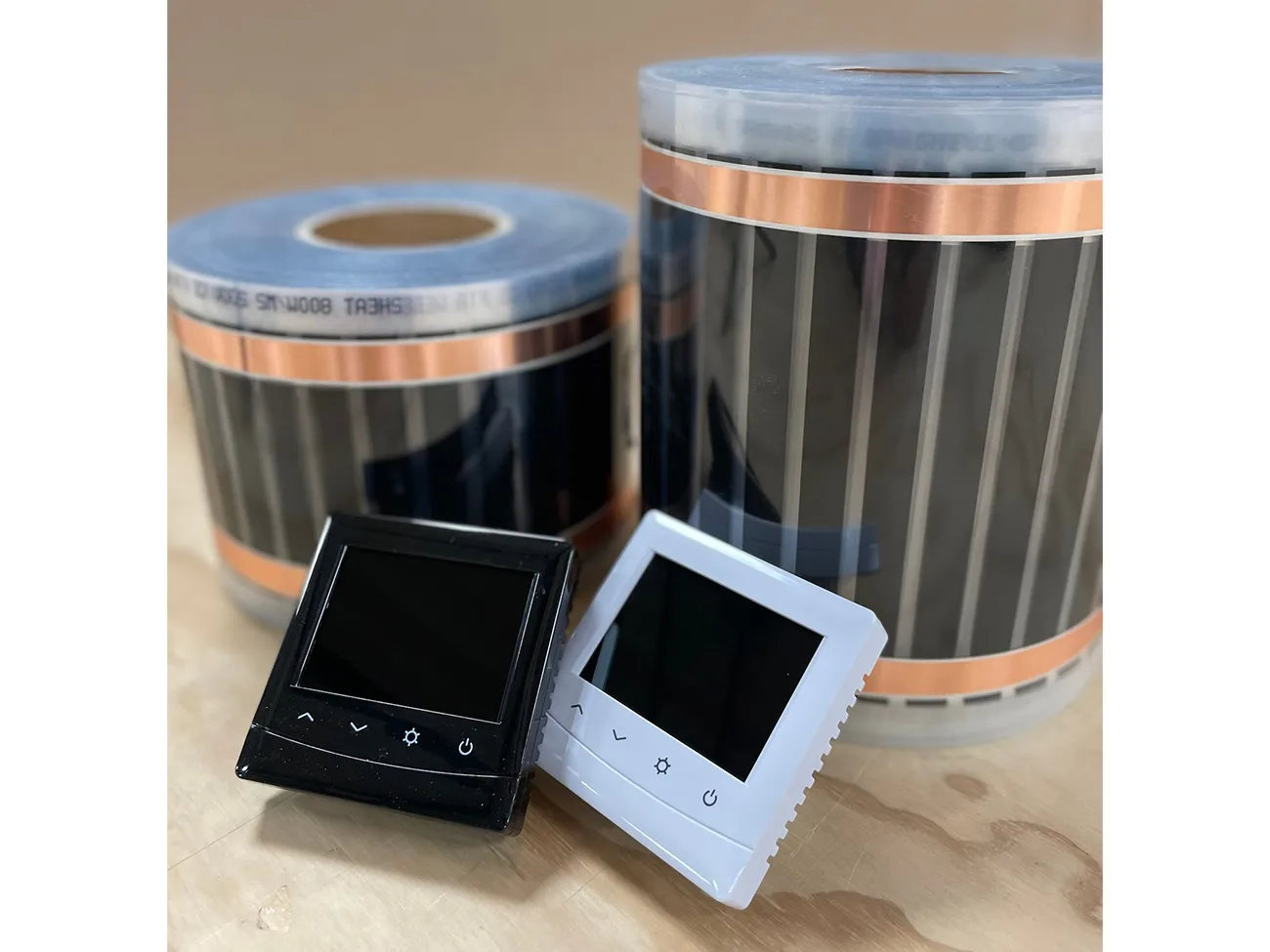
“We have seen demand for heating films explode in recent years, as they can be used in a wide range of applications and many homes are moving away from gas. You can buy heating film from as little as 50 W/m2. It is suitable for underfloor heating, wall and ceiling heating, and also for heating terrariums, animal shelters, heat mats and much more. Yet there are still many misconceptions about electric heating and infrared,” says Ligthart. So we have set out the most important facts and fiction.
Heating film is only suitable for supplementary heating
Ligthart: “The film is 0.38 mm thick and might seem impossible to use as the primary heating system, but it actually works very well for that purpose. We have a demonstration installation in our showroom where people can experience this for themselves.”
Heating film uses a lot of energy
Ligthart: “If your home was built after 2000, you can heat it very effectively with 50 W/m2. Using a simple formula, we can calculate exactly what the monthly consumption will be. It is generally very reasonable, and you also no longer need to use gas for the radiators. That saves you money. You also save on maintenance, as the film requires no maintenance and lasts around forty years. For older homes, we recommend using 100 W/m2 film, possibly in combination with 50 W/m2 film in circulation areas.”
Infrared radiation is unhealthy
Ligthart: “Infrared radiation is electromagnetic radiation. It is not harmful to health. There are long and short wavelengths. The films and panels all emit long wavelengths, which provide very comfortable warmth. They do not move air, so there is no dust being stirred up. This is beneficial for people with allergies and asthma.”
It can only be installed under tiles
Ligthart: “In principle, electric underfloor heating can be installed beneath any type of floor, whether it is tile, wood or laminate. These days, we can even incorporate it into poured floors. In that case, we laminate the film with an extra layer. We comply with the law and ensure the safety of our customers. The top layer also helps determine which insulation we use. If someone is unsure what they want, we can show them various options, including the costs and build-up.”
If you have any questions about this product, you can always contact Jolanda Ligthart and her team. They always take the time to help customers and anyone else who is interested. LVS Verwarming is a partner to installers and is happy to explain how its products work and how they should be installed.
Question about this story? Ask your question
Keep following this
Get an email when a new story is published. No account needed.
- SubjectHVAC