‘Heat pumps and wood-burning stoves: a sustainable combination!’
Text Lieke BousemaImage Schiedel
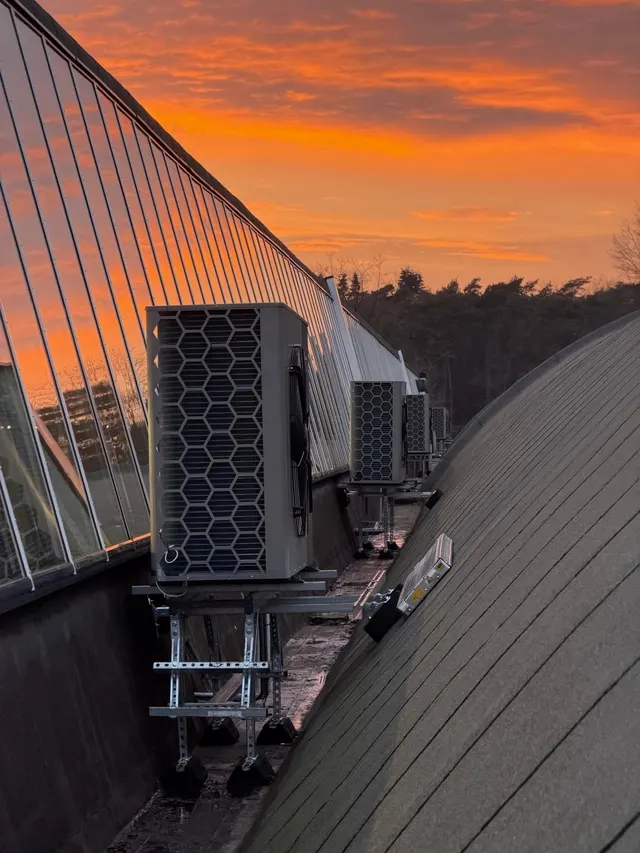
Heat pumps draw up to 75% of their energy from the environment, resulting in lower energy bills and a smaller ecological footprint. It is no surprise that more and more homeowners are switching to low-temperature heating systems combined with a heat pump. “But a heat pump on its own is not a cure-all,” says Maico Snijder, Sales Director at Schiedel. “For example, it takes longer to heat the home. The heat pump also becomes much less efficient when outdoor temperatures are very low. And that is before we even get to the challenges posed by grid congestion. These challenges can easily be overcome by combining the heat pump with a modern wood-burning stove.”

The best of both worlds
By combining a heat pump with a modern wood-burning stove, residents can enjoy significant benefits in terms of energy consumption, warmth and comfort, says Snijder. “A heat pump is excellent at keeping a home at a base temperature of around 18-19°C. This is ideal for rooms such as bedrooms, hallways and kitchens. Living rooms, however, often need to be warmer. A stove used for supplementary heating provides comfortable warmth quickly and efficiently, as well as a pleasant atmosphere. A recent analysis by ImmoScout24 even shows that homes with wood-burning fireplaces can fetch an average of 16% more when resold, even with stricter emissions limits [1].”
Instant, cosy warmth
One major advantage of a wood-burning stove is that it provides instant, cosy warmth, Snijder stresses. “A heat pump takes around 2.5 hours to reach the desired temperature, whereas a wood-burning stove needs no warm-up time. Our modern wood-burning stoves can also achieve high efficiency with little wood, helping to cut energy costs significantly. By combining a wood-burning stove with a heat pump, the heat pump can run at a lower output while the stove meets the additional heat demand.”
Easing pressure on the electricity grid
A wood-burning stove can also help ease pressure on the electricity grid, says Snijder. “Heating demand is highest at the end of the working day, when we also want to charge our electric cars, cook electrically and perhaps put on a load of washing. In more and more parts of the country, the grid can barely cope with the resulting demand for electricity. Power cuts are a real risk, making alternative heating solutions advisable. A wood-burning stove is particularly well suited to this situation, and also provides emergency heating if the power really does go out. With a wood-burning stove, residents will never be left out in the cold.”
Sustainable heating with renewable energy
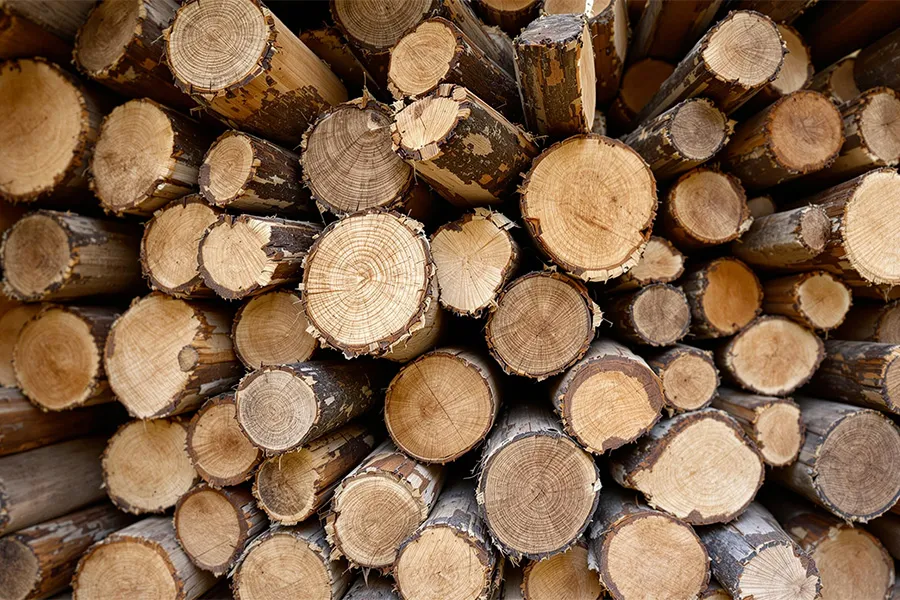
Using wood as a fuel brings significant benefits to Europe, and therefore to the world, believes Snijder. “To begin with, by using firewood, we collectively reduce CO2 emissions by millions of tonnes,” he says. “It is therefore an important way to help prevent greenhouse gas emissions. That is, of course, provided that clean, dry wood is used, along with Ecodesign stoves and properly functioning chimneys with the correct diameters and insulation values. This improves efficiency and ensures that flue gases are discharged effectively. It is also important to have the stoves inspected and maintained regularly. In that case, wood heating fits perfectly with the principle of sustainable heating with renewable energy.”
Schiedel’s Ecodesign wood-burning stoves
Schiedel currently offers two ranges of Ecodesign wood-burning stoves, with high efficiency of >80% and very low particulate emissions. “An air-washed glass system also ensures a clear view of the fire for a long time,” says Snijder, who begins by explaining the Sargas stove range. “Thanks to the use of fire-resistant, insulating skamol or vermiculite panels, our Sargas stoves deliver higher combustion temperatures, a cleaner combustion process and more efficient use of wood. For those who want to take things a step further, our Sirius stove features a ceramic lining, which keeps the fire burning at a high temperature with even less wood. This further reduces emissions.” The Sirius range will soon be expanded with a pedestal-mounted model, he says. “At the same time, we will be introducing two new inset stoves.” More to come, no doubt.
A business enquiry for Schiedel B.V.? Get in touch
Companies in this story

Keep following this
Get an email when a new story is published. No account needed.
- ThemeGas-free heating and cooling
- SubjectHeat pumps
- CompanySchiedel B.V.