‘Together, we can electrify the Netherlands intelligently’

Can the Netherlands go completely gas-free? ‘Absolutely,’ is the resolute answer from Peter van Gameren. He is director at Itho Daalderop and a board member of Vereniging Warmtepompen. Despite all the challenges we face, he takes a positive view of the energy transition.
Making the Netherlands more sustainable
The Paris Climate Agreement was signed in 2016, setting out our aim of limiting global warming. To achieve this, greenhouse gas emissions, including CO2, must be reduced by at least 55% by 2030, and the European Union must be climate-neutral by 2050. It has therefore been decided that a (hybrid) heat pump will be mandatory from 2026 when replacing a central-heating boiler.
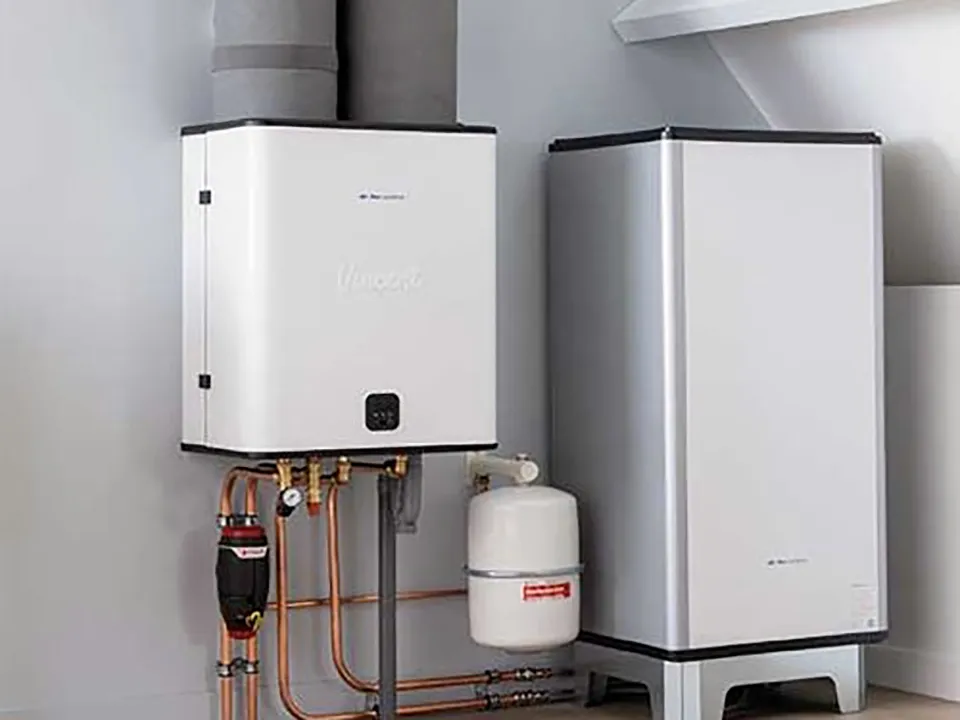
Some quarters have criticised these measures, asking whether they are not too ambitious. Given the current challenges in the market, meeting the targets certainly looks difficult. After all, a huge number of homes are still unsuitable for a heat pump, the electricity grid is congested and the units are expensive to buy. There is also a shortage of well-trained installers to carry out all this work. Nevertheless, Van Gameren is convinced it is possible. “Each situation needs to be assessed carefully to find the best solution, taking future work into account. Not every home is suitable yet, so if you choose a hybrid solution, you need to make sure that the same heat pump can also operate all-electric. We call this a regret-free solution.”
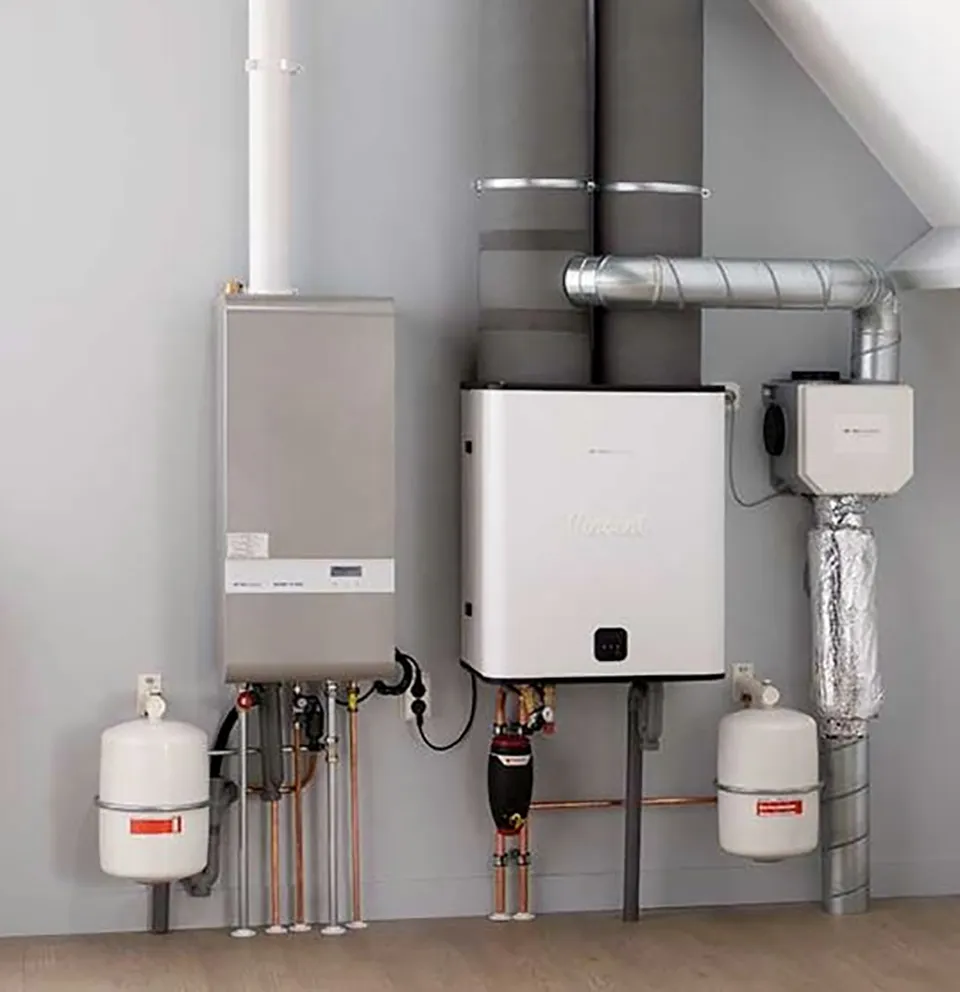
Heat pump with no outdoor unit
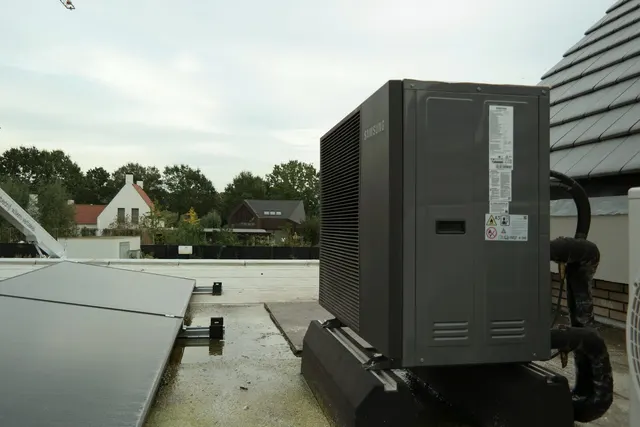
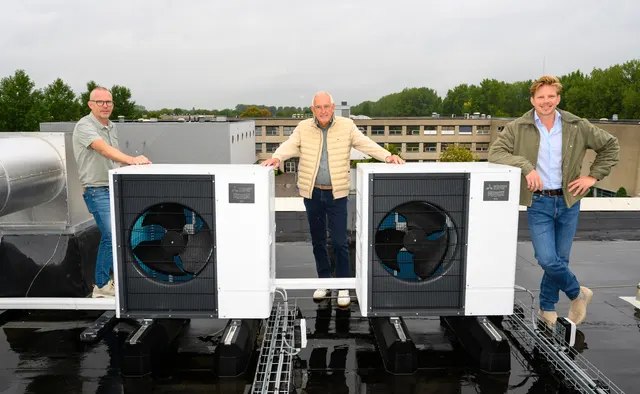
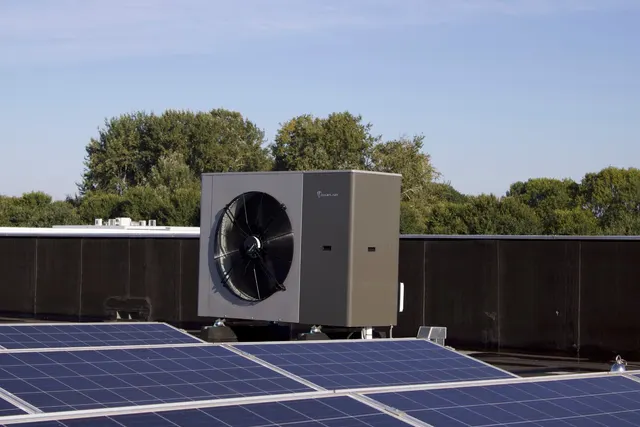
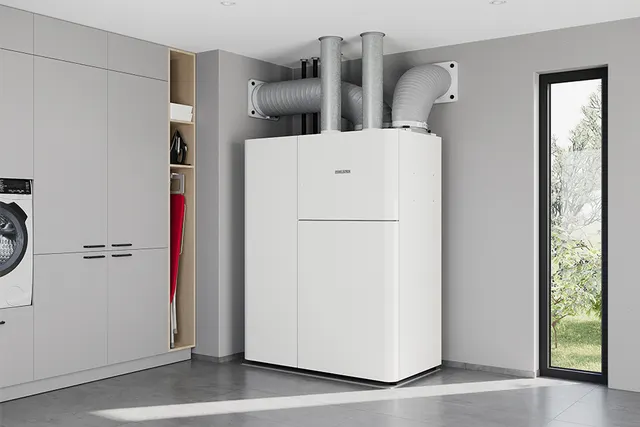
By ‘we’, he means the employees of Itho Daalderop. The company supplies a complete range of products for a healthy indoor climate: sustainable, energy-efficient systems made in the Netherlands for the Dutch market. Van Gameren says the company began producing heat pumps around twenty years ago. “We offer various heat pumps, including the Vincent air-to-water heat pump. It consists solely of an indoor unit, so there is no need for an outdoor unit. It can be used in both all-electric and hybrid systems. Vincent uses the environmentally friendly R290 refrigerant, so installers do not need an F-gas certificate. Vincent works with any central-heating boiler, and the V45 Combi can also provide cooling.”
Financing
The large-scale renovation programmes run by housing associations make a major contribution to the energy transition, says Van Gameren. Homeowners can also choose a heat pump, even though the systems are fairly expensive. “The ISDE grant and the Nationaal Warmtefonds remove those barriers. You can take out a loan at no or low interest, which means all the signals are green. Looking at how energy prices are developing, you know this investment will pay for itself.”
Grid congestion
With the electricity grid under strain, will so many heat pumps put an additional burden on it? According to Van Gameren, heat pumps are not part of the problem, but part of the solution. Unlike, for example, solar panels, which feed electricity into the grid when the sun is shining, heat pumps can respond flexibly to grid load. When the sun is shining and electricity feed-in to the grid is at its peak, for instance, the heat pump can heat domestic hot water, relieving pressure on the grid. The smart electricity grid of the future is a puzzle, and heat pumps are an important piece of it. After all, a large proportion of household energy use goes towards heating and hot water, and a heat pump allows this demand to be managed intelligently.
Van Gameren: “For this to work, the legislator needs to change the regulations, as has happened in Belgium, for example. Net metering has already been abolished there, a capacity tariff has been introduced and the subsidy is linked to having smart controls for your heat pump. This is how you steer the market, and therefore the industry, towards the desired behaviour: using energy intelligently from the outset by choosing when to consume it.”
Training installers
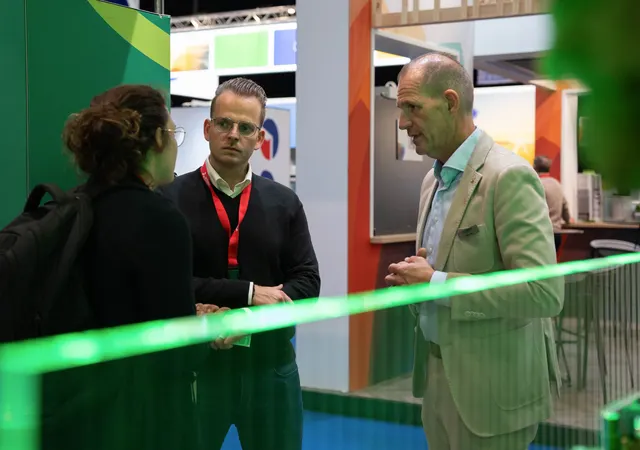
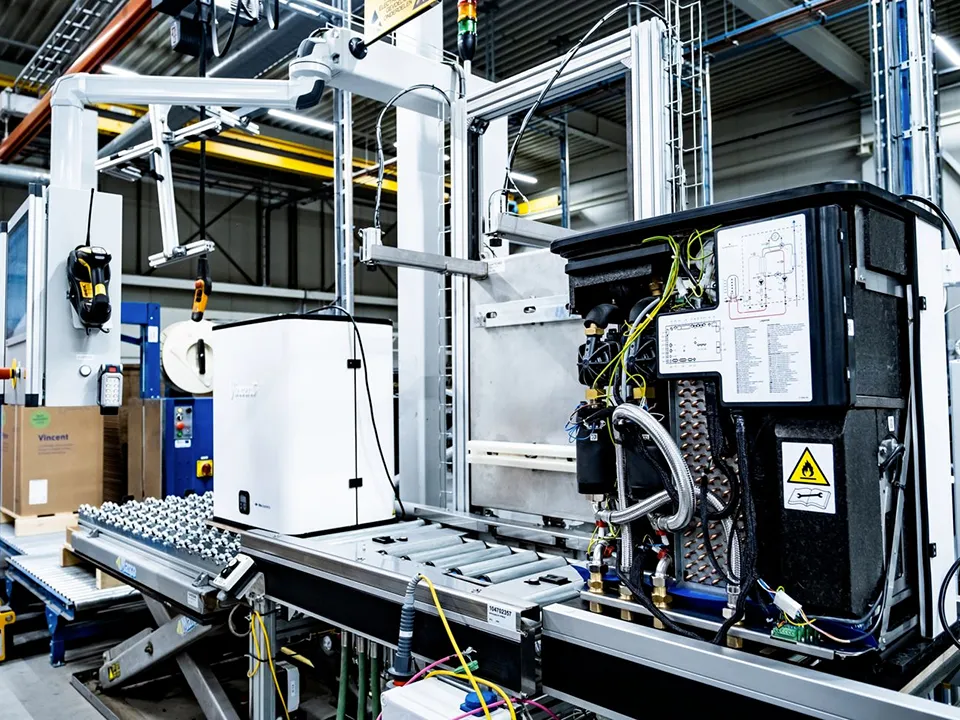
Replacing all those central-heating boilers with heat pumps is a huge undertaking, but it is spread over several years. To ensure there are qualified, well-informed installers, Itho Daalderop trains installers itself. They can install Vincent and the monobloc Amber straight away, without needing F-gas certification. Van Gameren says: “Training installers is a shared responsibility. We are working on this together with Techniek Nederland. By sharing knowledge, we can identify the best solution. This creates a good standard that can be recommended. That will help us move away from natural gas sooner, allowing us to electrify and make the Netherlands more sustainable intelligently.”
Question about this story? Ask your question
Companies in this story
Keep following this
Get an email when a new story is published. No account needed.
- ThemeGas-free heating and cooling
- SubjectHeat pumps
- CompanyTechniek Nederland