The serious adverse effects are still underestimated
Making the case for a healthy indoor climate
Given that we spend an average of 80 to 90 per cent of our time indoors, paying attention to a healthy indoor climate is essential. Yet we let polluted air in without filtering it, then close the door and spend hours breathing that stale air. This happens in homes, schools and countless public venues, even though excellent ventilation solutions are available.
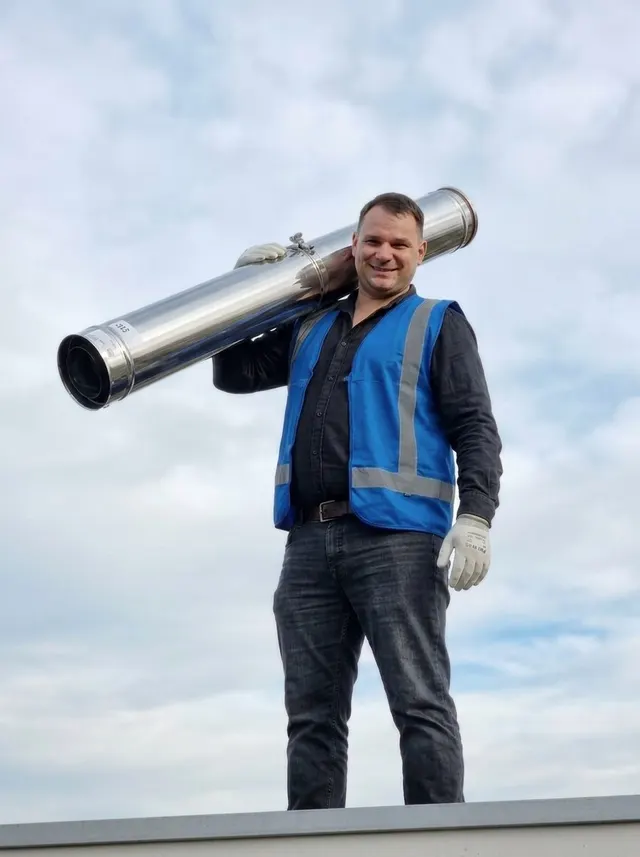
If anyone needs no convincing, it is Wouter Wijma, chair of the trade association Binnenklimaat Nederland. He understands the importance of a healthy indoor climate and, through Binnenklimaat Nederland, is working to make it available everywhere, at all times and to everyone. Its members include manufacturers, suppliers and service providers of ventilation and filtration systems, air and climate technology, and products and services for cooling and heating. They operate in residential, workplace, educational, care and leisure environments. Together, they are working to ensure a healthy indoor climate in both non-residential and residential buildings.

Raising awareness with CO2 meters
Binnenklimaat Nederland is currently focusing on two themes. One is making CO2 meters compulsory. “This is not about the requirement itself,” Wijma emphasises. “What matters to us is raising awareness. Wherever the CO2 meter gives a high reading, users can see for themselves that the air quality is not right. This awareness is the best way to get across that action is needed, and that it is time to tackle the indoor climate.”
Making the case for subsidies
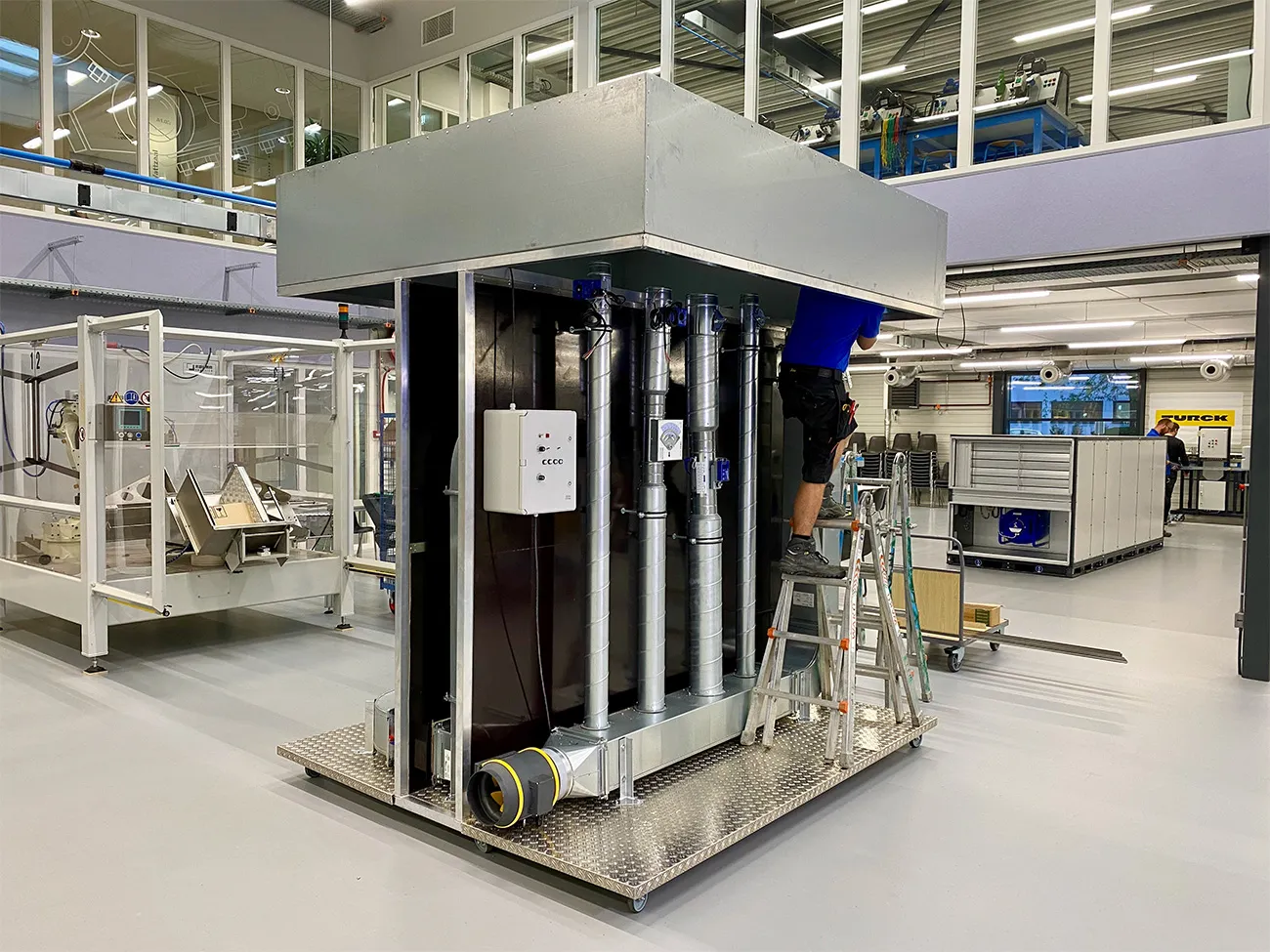
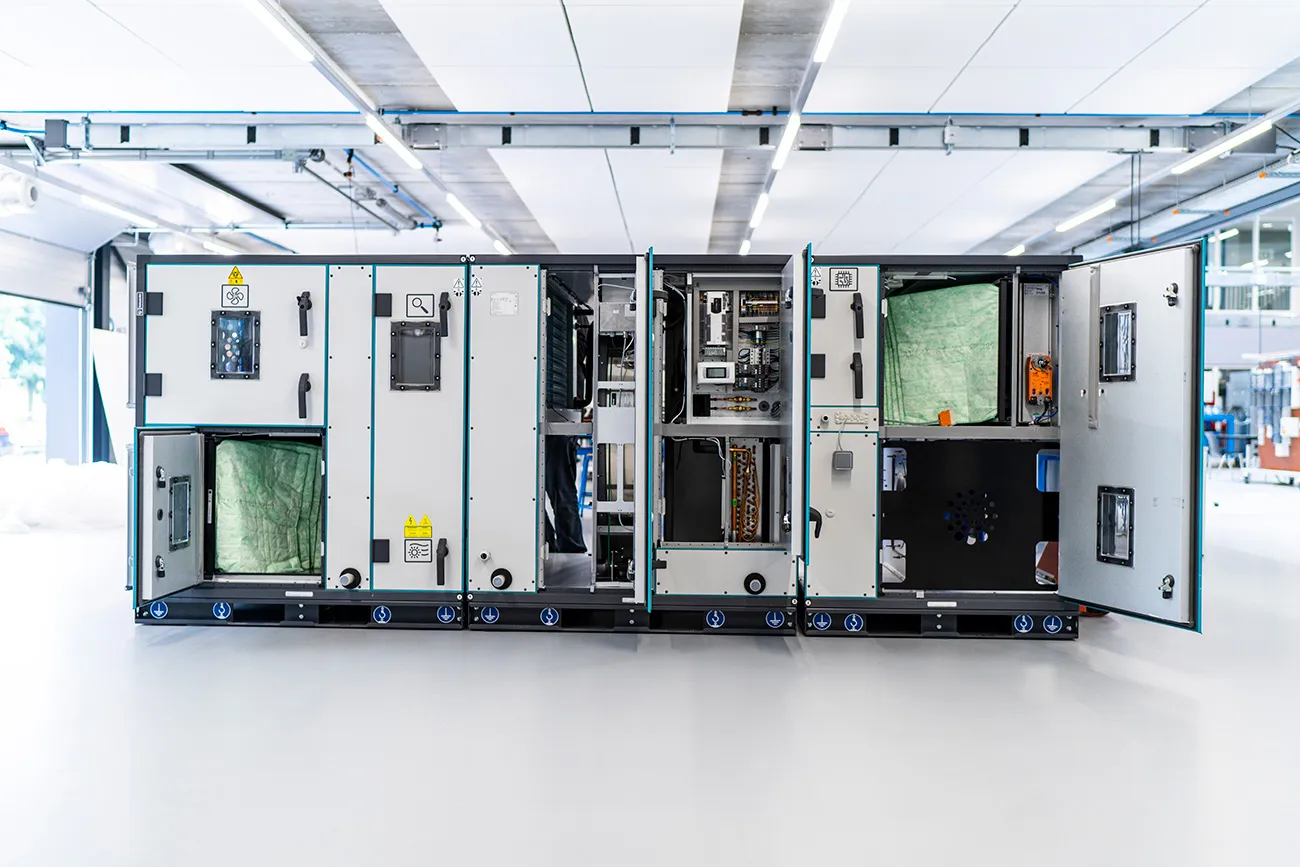
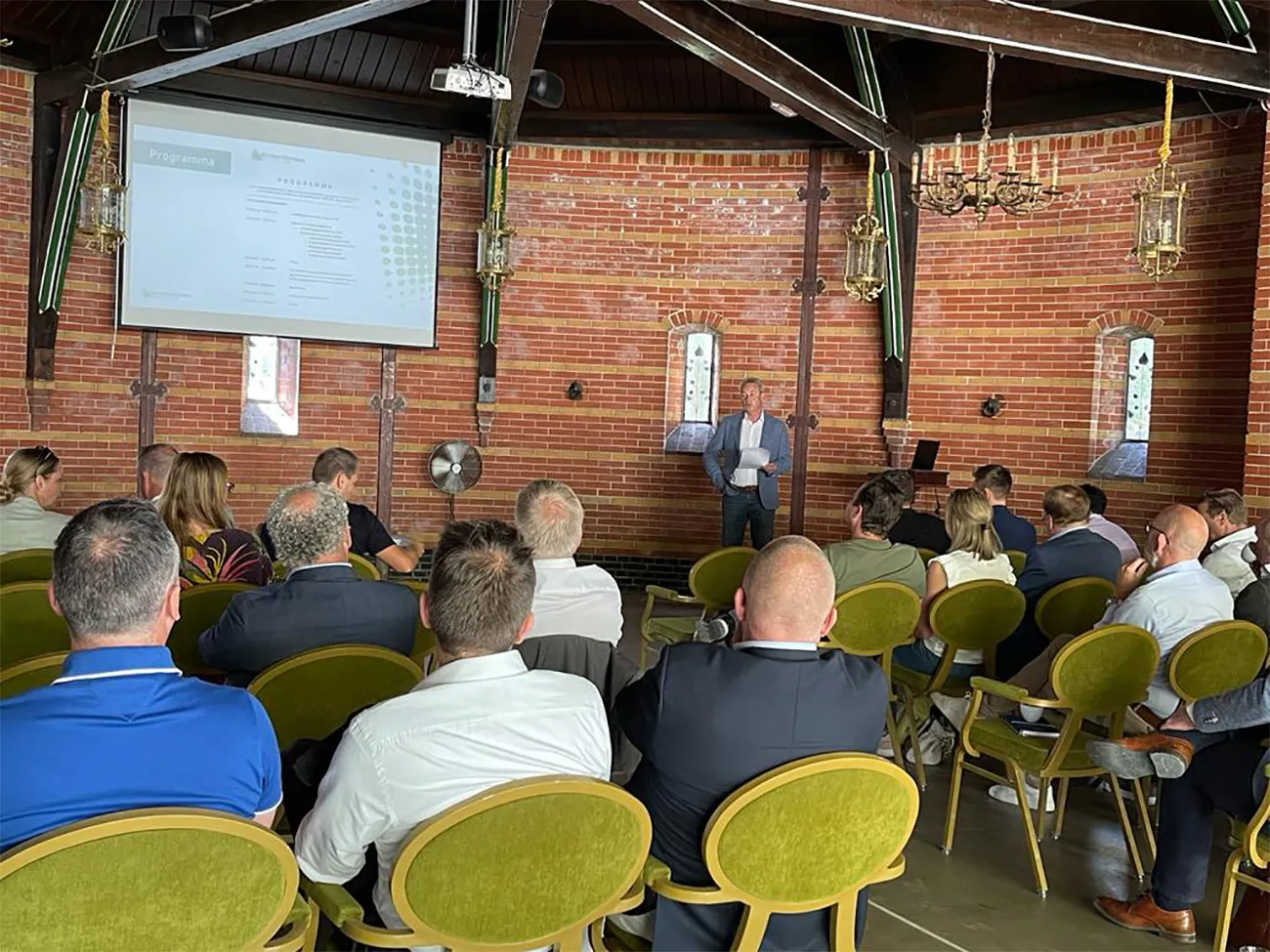
At the same time, the trade association is working to raise awareness among the government too. “The government currently provides subsidies to homeowners who insulate their homes. Inexplicably, this subsidy does not cover the installation of a ventilation system to improve the indoor climate, even though a modern ventilation system also saves energy by significantly reducing heat loss. We are calling for political attention to this issue. We were delighted, for example, to recently welcome VVD MP Peter de Groot to Brink Climate Systems. We showed him how ventilation and ventilation-heating systems are developed and how they work. We also made the case for extending the subsidy. The attention this issue has received means we have taken another step forward. Schools are already eligible for the Specific Grant for Ventilation in Schools, the ‘SUVIS scheme’. Schools that improve their ventilation system can recover 30% of their investment costs. In practice, this percentage is insufficient, but it is an improvement.”
Underestimated effects
The effects of a poor indoor climate are more far-reaching than is generally assumed. If mould appears in a home, everyone knows it is caused by damp and that damp is bad for our health. The link is made much less often when someone has an allergic reaction or develops eczema, even though the connection is just as clear. “There is another reason to improve ventilation,” Wijma explains. “It takes considerably more energy to heat humid air than dry air. So a healthy indoor climate is also better for the environment. One in five homes currently has a mould problem. This will get worse now that the government is urging people to turn their thermostats down by two degrees. TNO studies also demonstrate the importance of a healthy indoor climate. Pupils, for example, perform 20% better when classrooms are well ventilated, while workplace sickness absence falls by 18% after a ventilation system is installed.”
A wide range of activities
As well as working directly to promote a healthy indoor climate, Binnenklimaat Nederland acts as an advisory body for professionals such as installers, consultants and end users. It draws up guidelines, specifications and programmes of requirements (PvEs) for healthy homes and workplaces, setting standards above those in the Building Decree. Binnenklimaat Nederland is also continually broadening its remit. Until recently, its focus was on schools and non-residential buildings; its activities now also cover care institutions and homes. It has developed a ventilation quality label for this purpose, which is now being rolled out to non-residential construction. Finally, it founded the ‘Gezond Binnen’ platform for consumers.
Recognition
These achievements led to Binnenklimaat Nederland being named the Netherlands’ most innovative and forward-thinking association in 2020. The Netherlands currently has around 65,000 associations and foundations.
Question about this story? Ask your question
Companies in this story

Keep following this
Get an email when a new story is published. No account needed.
- ThemeHealthy indoor air
- SubjectHVAC
- CompanyBrink Climate Systems