Energy self-sufficiency through solar power
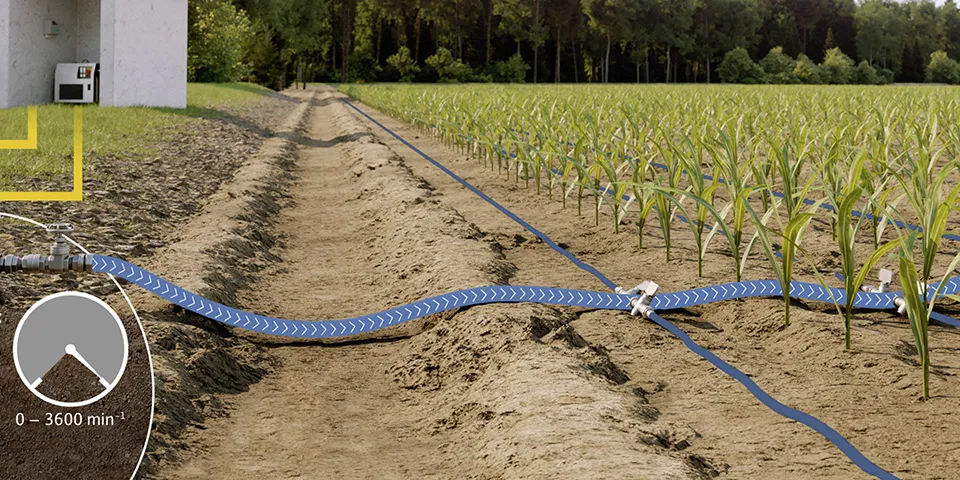
Demand for water is growing, and a reliable water supply is a major challenge, particularly in remote regions. Technology company Wilo has therefore introduced the solar-powered Wilo-Actun OPTI-MS. Independent of the electricity grid, this submersible motor pump delivers optimised water output that can be adjusted to suit individual requirements.
Demand for water is rising worldwide. Climate change is not the only challenge facing freshwater supplies. Continued population growth, increasing urbanisation, rising demand from agriculture and growing water pollution are also creating problems. In many countries, periods of drought and water shortages cause hardship for local communities and threaten agriculture and industry.
“Groundwater is an important source of water. Submersible motor pumps can extract it from wells and shafts,” says Roman Zielinski, product manager at Wilo. “However, a stable energy supply is often a challenge in remote areas, where the electricity grid is frequently unavailable or unreliable. We have developed an alternative approach with a pump powered by solar energy. This allows us to generate energy and provide a water supply in these locations.” Solar energy is free and can be harnessed without significant infrastructure.
The Wilo-Actun OPTI-MS operates independently of the electricity grid and delivers optimised water output.

Water supply in remote areas
The Wilo-Actun OPTI-MS is designed for use with photovoltaic systems to create an autonomous water supply system. In addition to pumping drinking water, the pump is also suitable for irrigation in agriculture and livestock farming. Its integrated frequency converter allows it to run on solar power or to be connected to an AC power supply. The AC supply can serve as a “back-up” when solar power is no longer available at night but water still needs to be pumped for a limited period. The Actun OPTI-MS ensures optimum output through its high motor and hydraulic efficiencies and a dynamic Maximum Power Point Tracking (MPPT) algorithm. “The power output of a solar panel depends on the sun. Its available power potential varies according to the location, time of day and weather conditions,” Zielinski explains. “The integrated microprocessor uses the MPPT algorithm to calculate the optimum ratio between current and voltage, drawing the greatest possible power. This is then converted into a higher rotational speed and therefore a greater volume of water pumped.”
Pump operation via remote control
Web-based design software can be used to determine the required pumping system, including the solar panel configuration. Based on a set of data, the software provides precise forecasts of the average expected water output. This helps prevent oversizing and the unnecessary costs it entails. The Actun OPTI-MS can be monitored remotely via an app.
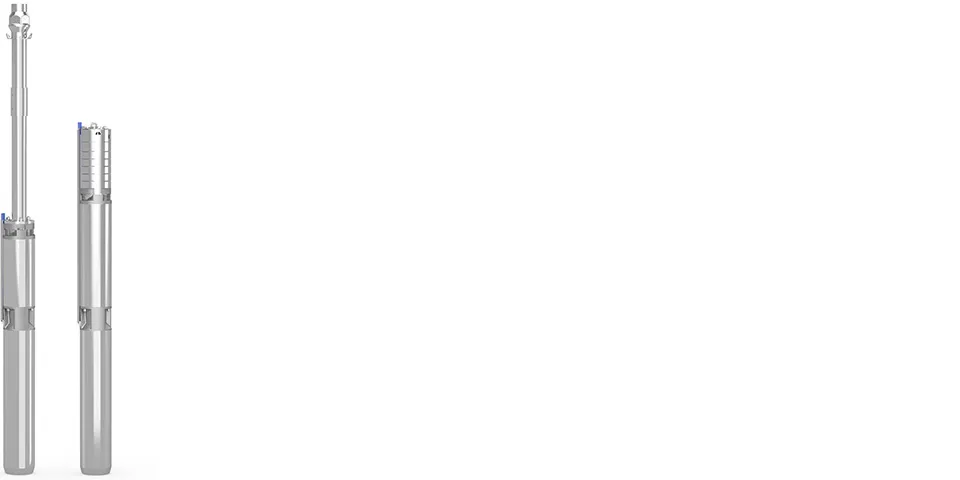
The use of high-quality materials ensures a long service life for the submersible motor pump. All relevant components, including the motor casing, impellers and guide vanes, are made entirely of stainless steel. The motor’s encapsulated design and the frequency converter, which is encapsulated in resin, ensure a long service life. The pump has integrated protection functions against dry running, excessive temperatures and deviations in electrical parameters.
Question about this story? Ask your question
Companies in this story

Keep following this
Get an email when a new story is published. No account needed.
- ThemeBuilding electrical systems
- SubjectBuilding services engineering
- CompanySolar