How to ensure your heating water complies with VDI 2035
Text Lieke van Zuilekom en SpirotechImage Spirotech
Today’s energy-efficient heating systems require good system water quality. Small, compact heat exchangers are more sensitive to hardness, while efficient pumps and valves are more sensitive to dirt. Aluminium alloys require the correct pH value, and modern installation materials call for a different approach to corrosion protection, preferably without chemicals.
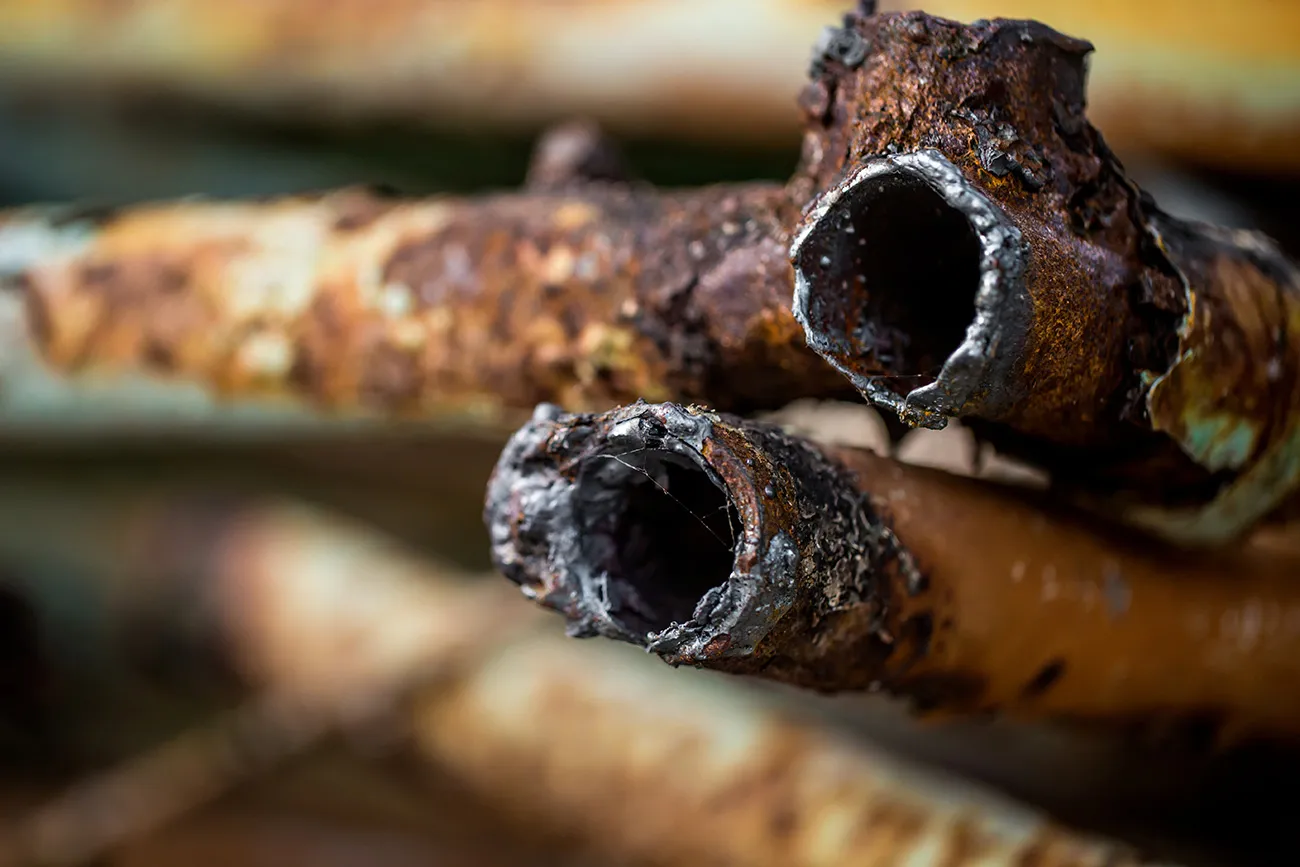
VDI 2035 is a guideline for the design, installation, filling and maintenance of heating systems (<100°C) in buildings, excluding systems that use antifreeze (such as glycol). The recommendations in VDI 2035 relate not only to water quality, but also focus on preventing two main causes of damage: scale deposits and water-side corrosion.
Preventing scale deposits
Scale deposits reduce heat transfer, resulting in lower heating output, higher energy costs and, in extreme cases, damage caused by overheating and stress cracks in heat exchangers. Scale deposits occur mainly in the part of the heating system with the highest temperatures: the boiler heat exchanger. To reduce water hardness and prevent scale deposits, the fill and make-up water must be softened or demineralised.
Preventing corrosion
Water hardness mainly affects the risk of scale deposits. Corrosion is also a major factor and the main cause of faults and damage in heating systems. Key parameters affecting corrosion in heating water include conductivity, pH value, oxygen content, gas bubbles and gas pockets, and microbiology.
Conductivity
Electrical conductivity is not in itself an indicator of the corrosion risk posed by heating water. However, low conductivity can reduce the risk of metal corrosion. At first glance, it may seem confusing that VDI 2035 recommends two different operating modes: low-salt and saline. However, higher water conductivity is acceptable as long as it is certain that no oxygen enters the system during operation. The use of chemicals in a heating system also increases conductivity, but does not necessarily increase the risk of corrosion.
In the following situations, low-salt demineralised water may be the better solution:
Oxygen ingress: oxygen diffusion can rarely be prevented entirely in modern heating systems, for example because of plastic heating pipes under floors or the extensive use of easy-to-install press fittings with many seals.
Mixed installations: most installations comprise a mix of different metals, such as ferrous metals, stainless steel, copper, brass, aluminium, etc.
Lower conductivity in the heating water reduces the risk of bimetallic corrosion.
pH value and aluminium alloys: if the heating water is soft, its pH value can easily rise above 9.0 during operation, which can lead to increased corrosion of aluminium alloys. VDI 2035 therefore advises against softening the water in installations containing aluminium, and recommends demineralising it instead.
Even the smallest magnetite particles can cause faults in high-efficiency pumps and valves. Dirt particles can also cause erosion throughout the installation. Deposits in heat exchangers and radiators also reduce heat transfer, leading to higher energy consumption.
pH value
The pH value indicates the acidity or alkalinity of an aqueous solution. The corrosion risk at a given pH value depends on the metal used: for ferrous metals, an alkaline pH above 8.0 is ideal for reducing the risk of corrosion, whereas a lower pH, below 9.0, is preferable for aluminium alloys. The recommended pH range is therefore a compromise. It is important to note that the pH recommendations apply to the heating water, not the fill or make-up water. Even if the pH value is below the guideline levels when the heating system is commissioned, it may rise during the first few weeks of operation (self-alkalisation).
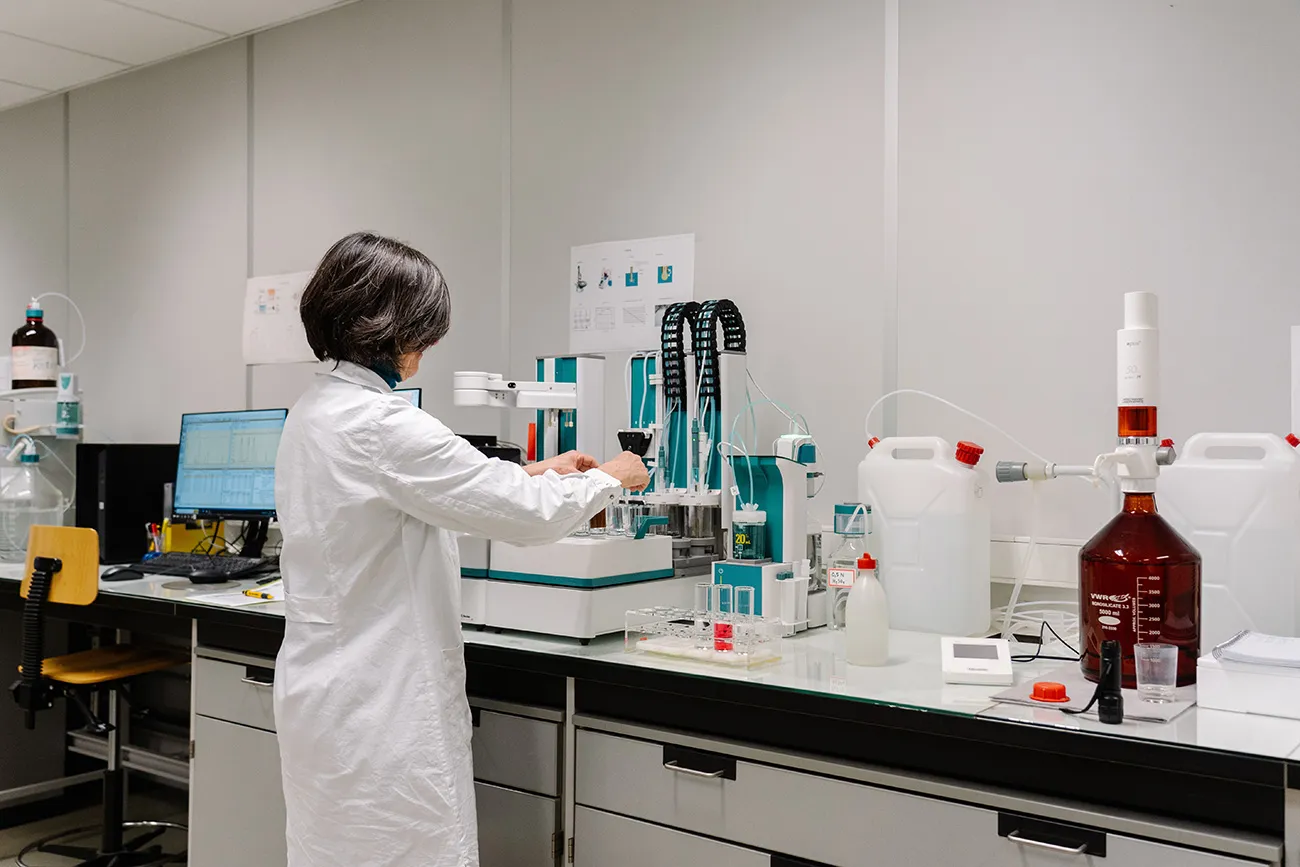
The pH must be measured 10 weeks after heating operation begins or after the most recent maintenance. If the pH value is slightly below 8 but the water sample is free of particles, no action is needed. A pH value below 7.5 is a sign of increased corrosivity. In this case, VDI recommends taking corrective measures.
Oxygen
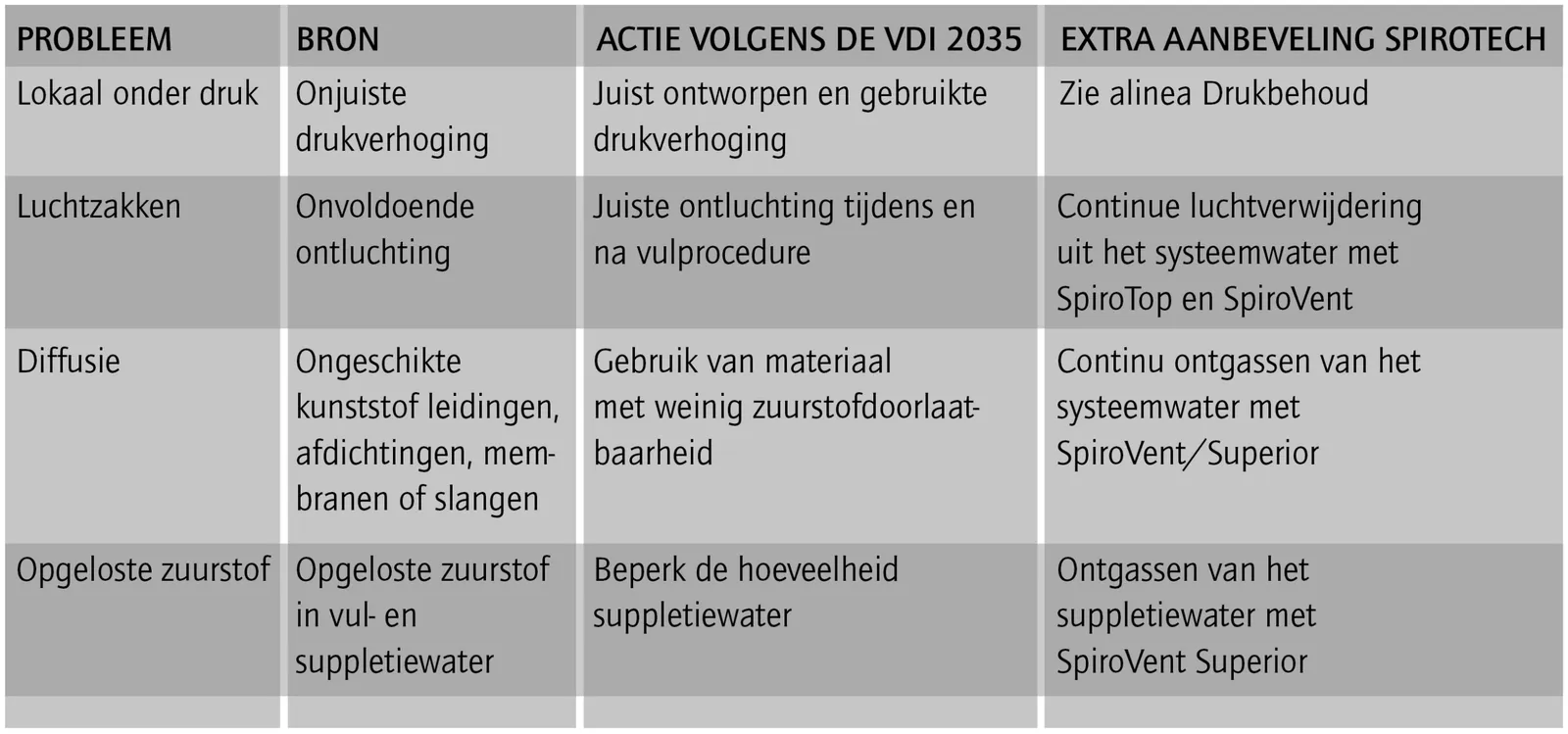
Although oxygen is the main cause of corrosion, the new VDI 2035 does not specify guideline values for oxygen. This is because measuring the oxygen level accurately requires specialised, particularly expensive in-line measuring equipment. Furthermore, the measured oxygen level is representative only of the point where the measurement is taken, not of the entire system, as oxygen can react very quickly with metal surfaces. VDI 2035 therefore focuses on recommendations for reducing or preventing the continuous ingress of oxygen into the system (see table).
Gas bubbles and gas pockets
Gases can enter a heating system in several ways:
Gases are dissolved in the fill and make-up water.
Localised low pressure due to insufficient pressurisation.
Formation through chemical and/or microbiological reactions.
The main problem with gas or air bubbles is that they act as insulation, reducing heat transfer, for example in radiators, or causing the boiler to overheat. At higher flow rates, they can also cause noise throughout the system, or even cavitation and erosion. Further information on venting and degassing heating systems is provided in VDI 4708-2.
Microbiology
As heating systems have become more efficient and green heating technologies have been adopted, temperatures in heating systems have fallen significantly in recent years. Flow temperatures of 40°C and below are common, especially when using a heat pump. These low temperatures can promote microbiological growth in the system, resulting in the formation of biofilms. Biofilms can adversely affect heat transfer, leading to higher energy consumption. They can also cause localised corrosion, known as microbiologically influenced corrosion (MIC). The main way to prevent microbiological growth is to limit the ‘food’ available to microorganisms. This includes plastic pipes and some types of corrosion inhibitor. If microbiological growth is already present, Spirotech recommends removing biofilms through disinfection (biocide treatment) combined with mechanical cleaning (air-water flushing).
Pressurisation
VDI 2035 clearly states that pressurisation can have a significant impact on corrosion behaviour in the heating system. Correctly designing pressurisation for an installation maintains positive pressure throughout the system and prevents uncontrolled oxygen ingress. A correctly designed pressurisation system also prevents regular water loss through the safety valve. This removes the need to top up with fresh, oxygen-rich water. Further information on pressurisation is provided in VDI 4708-1.
Chemical conditioning
According to VDI 2035, the use of chemicals should be limited to cases where all other measures have proved unsuccessful. Using chemicals requires expertise, knowledge and adequate monitoring equipment. Using too much or too little can do more harm than good. Consideration must be given to interactions with the materials used in the installation and to the interdependencies between different chemicals. Regular checks and follow-up measures must also be ensured. Common chemical treatments include hardness stabilisers, corrosion inhibitors, oxygen scavengers, electrochemical oxygen binding, alkalisation and antifreeze.
Spirotech offers a comprehensive range of products and services to help meet VDI 2035:
SpiroCare: as leading experts in system water quality, Spirotech and ProLab offer an easy-to-use water sampling and analysis service.
SpiroPlus flushing agents and additives are designed to bring system water and the installation itself into top condition and keep them that way.
SpiroExpand automatically monitors and controls pressure.
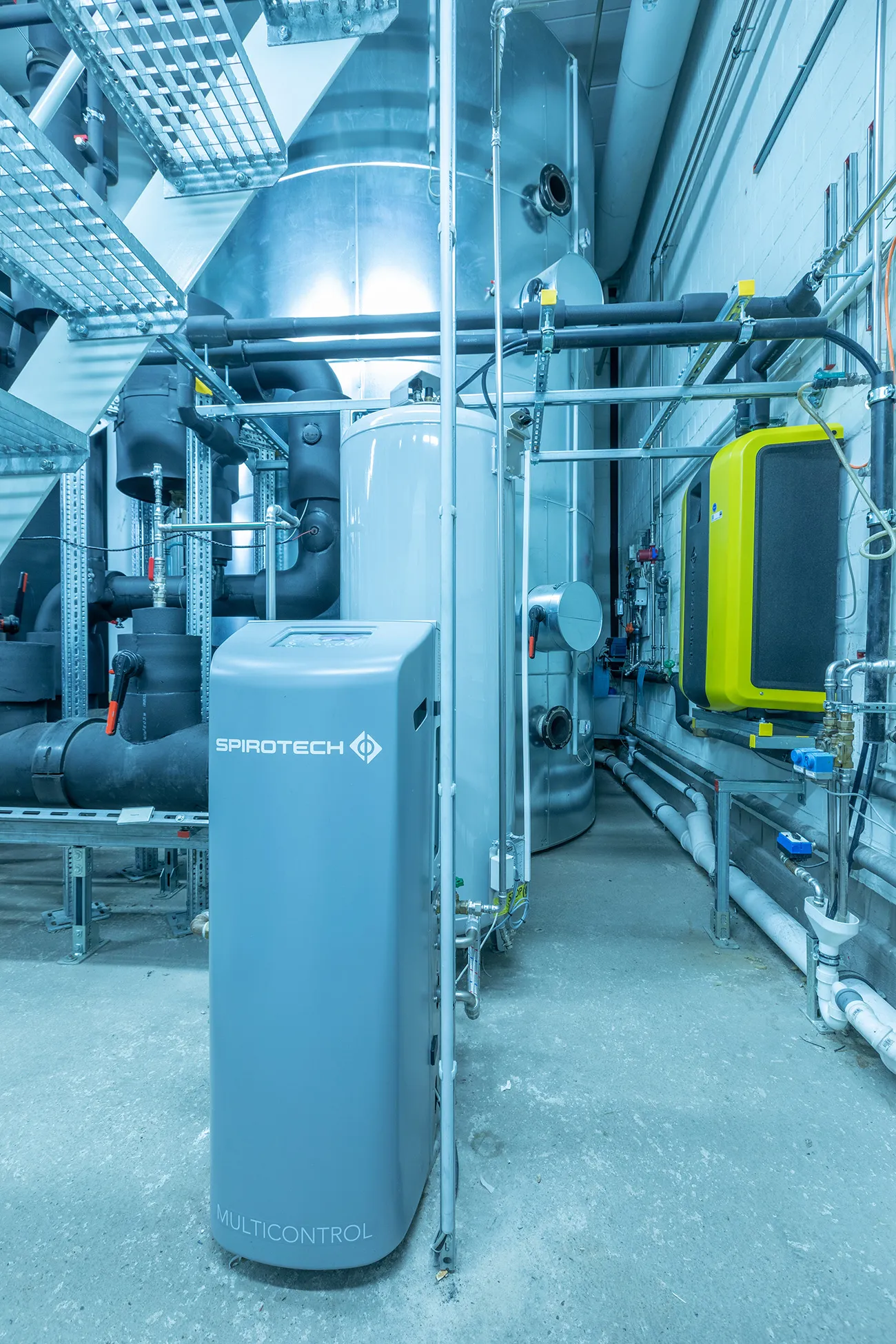
SpiroPure filling and top-up systems use a special resin that removes not only residual hardness and dissolved salts from the heating water, but also stabilises its pH value.
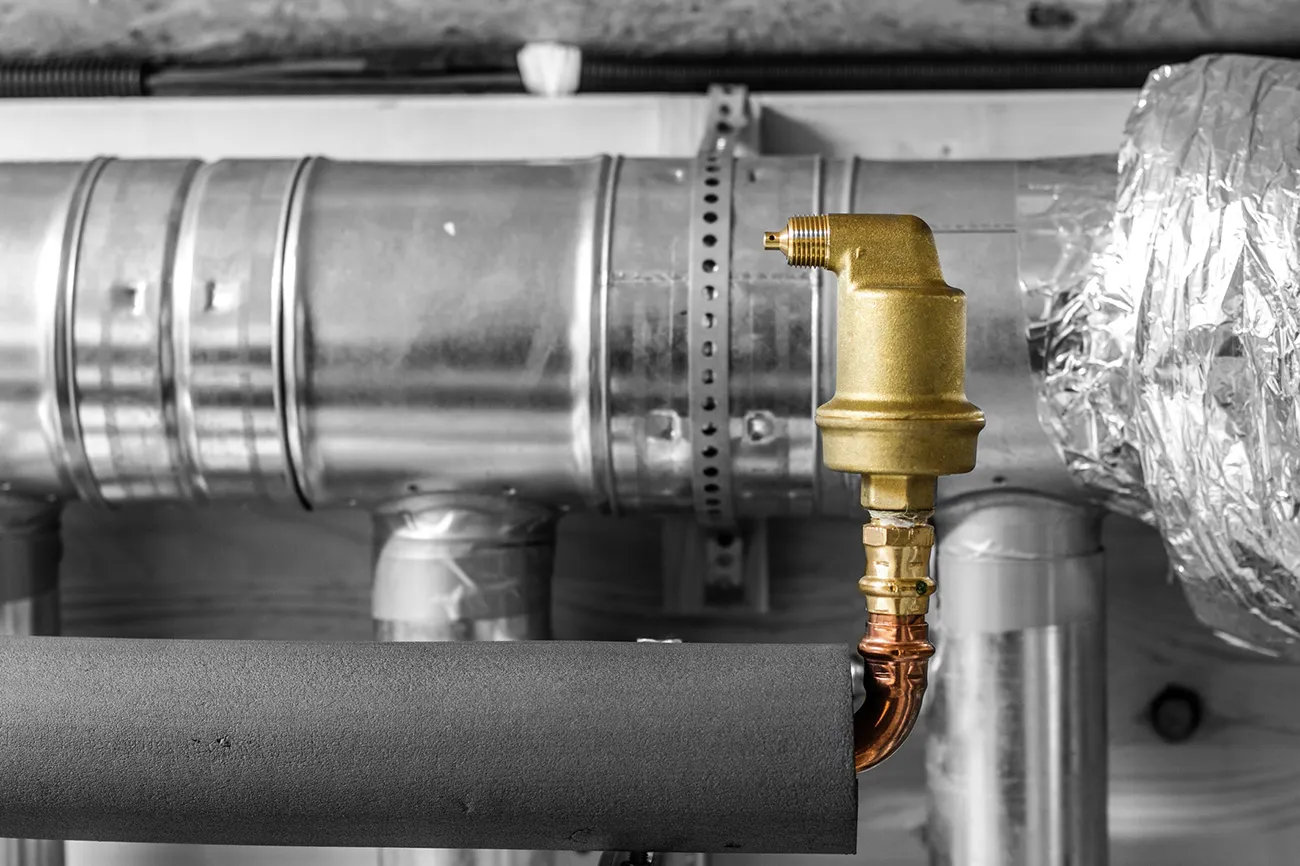
SpiroTop automatic air vents quickly and effectively remove free air and ensure reliable aeration when an installation is drained.
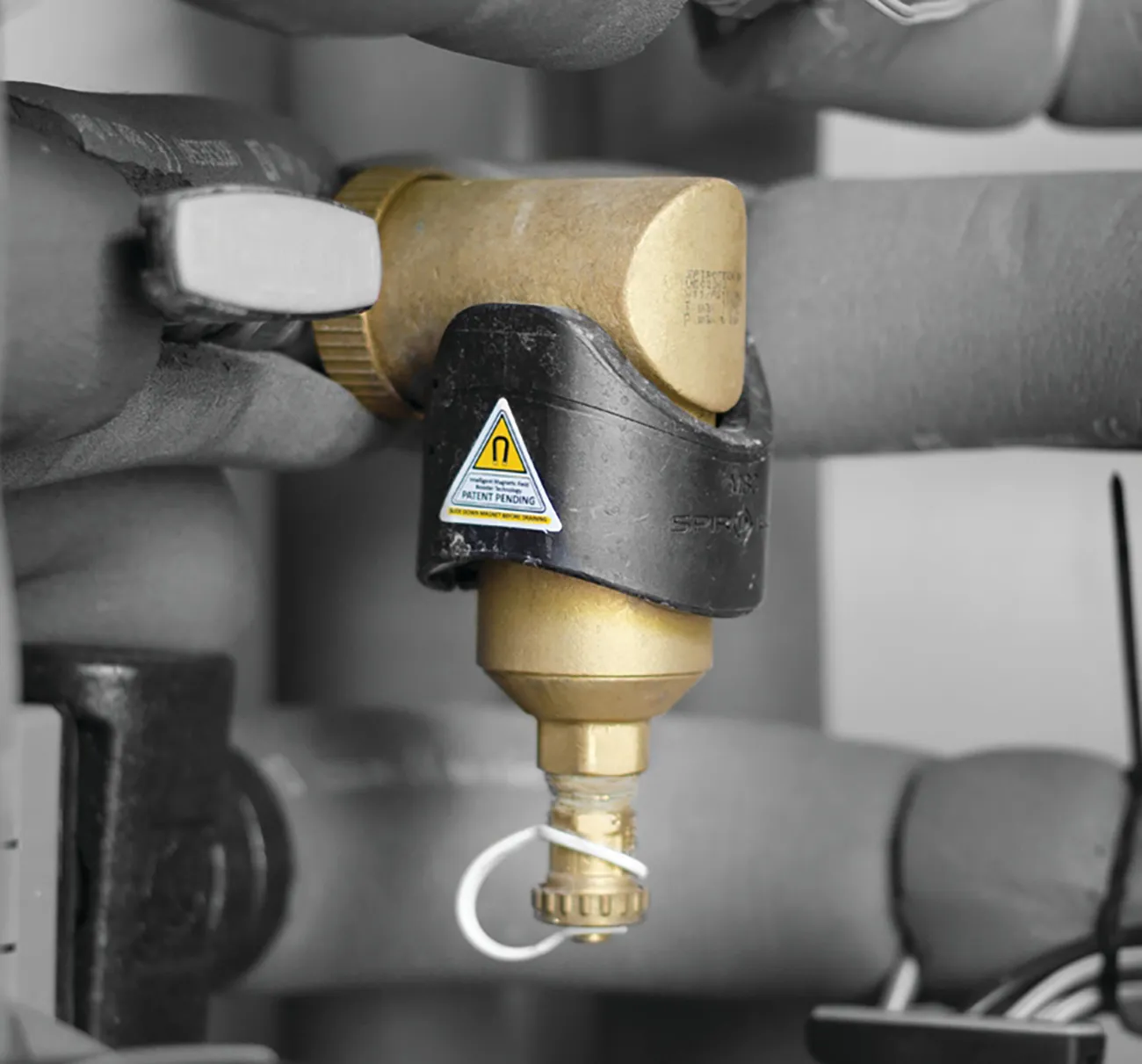
SpiroTrap MB3/MBL/Magnet provides fast and efficient (magnetic) dirt separation and removal, which is essential for cost control and energy savings.
SpiroVent air separators for microbubbles remove microbubbles and circulating air left behind by automatic air vents or after air release valves.
SpiroVent Superior is a fully automatic vacuum degasser for heating, cooling and process installations.
About Spirotech
Spirotech makes heating and cooling systems more efficient. The family-owned company has more than 60 years’ experience in developing solutions to remove and prevent the build-up of air and dirt in heating and cooling systems. Its products save energy, increase comfort, prevent wear and maximise operating life.
A business enquiry for Spirotech? Get in touch
Companies in this story
Keep following this
Get an email when a new story is published. No account needed.
- SubjectBuilding services engineering
- CompanySpirotech