Hydraulic balancing: protect your domestic hot water systems against legionella
To prevent legionella in hot and cold water systems, priority premises must comply with strict laws and regulations. Hospitals, care homes, prisons and swimming pools, among others, must not only carry out a legionella risk assessment and draw up a legionella control plan, but also flush their water pipes periodically, take water samples and keep a logbook.
“Unfortunately, there is still no solution on the Dutch market that can prevent legionella with 100% certainty,” says Stefan Druijf, Account Manager at Kemper Nederland. “This is hardly surprising, because the quality of our tap water is affected by many factors. These include not only the design of the hot water circulation system, but also accurate flow rate calculations, the use of the correct installation materials and pipe dimensions, proper installation and execution, and precise hydraulic balancing.”
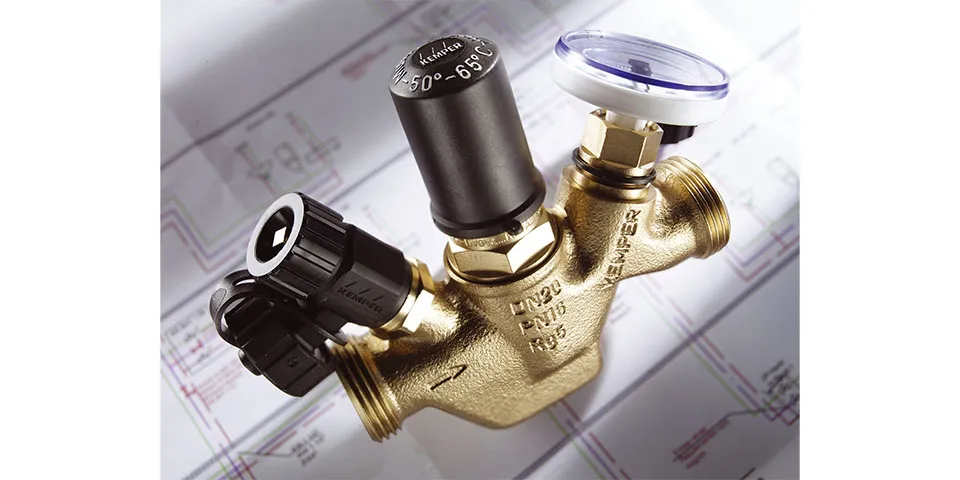
L: Multi-Therm thermostatic balancing valve. | R: Multi-Fix-Plus manual balancing valve.
Kemper solutions for legionella prevention
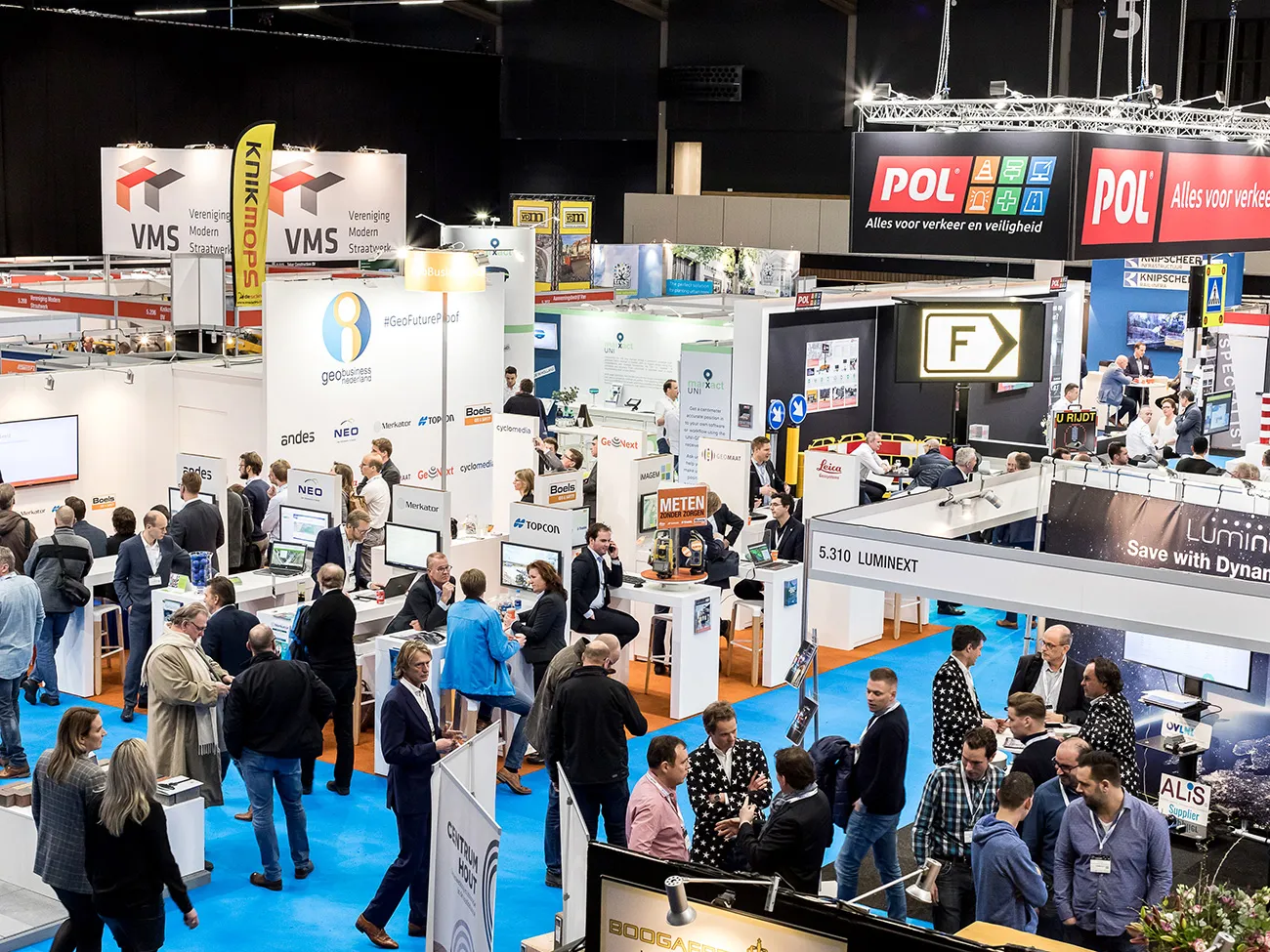
Maintaining the correct temperatures is essential to prevent legionella bacteria from growing in hot and cold water systems, Druijf emphasises. Kemper Nederland’s products make an important contribution to this. These include stop valves, static and thermostatic balancing valves, and the high-quality Kemper Frosti® frost-resistant outdoor tap. The Kemper Hygiene System (KHS) also helps maintain drinking water hygiene and improve the quality of drinking water in drinking water systems. All these products were successfully presented to the general public at VSK 2020. Various forms of water circulation were demonstrated on a large display wall, including a continuously flowing installation connected with flow dividers, which prevent stagnation in the water system and ensure flushing right through to the last draw-off point.
Innovative cold water chiller
Kemper CoolFlow was also showcased, an innovative solution that keeps the water temperature in the system below 25°C. “CoolFlow uses a reverse heat exchanger to lower the temperature of the water in the system,” says Druijf. “The flushing process discharges significantly less water, resulting in substantial water savings. Because the conditioned water is fed back into the water circuit, the temperature in the system also rises less. This means less cooling is needed, which also reduces energy consumption.”
Would you like to know more about legionella prevention? Or are you interested in developments in the CoolFlow cold water chiller? Visit www.kemper-olpe.de/nl.
Question about this story? Ask your question
Companies in this story

Keep following this
Get an email when a new story is published. No account needed.
- ThemeFuture-proof water and sanitary systems
- SubjectBuilding services engineering
- CompanyVSK