Keep your system in top condition!
Text Lieke van ZuilekomImage KOREX Benelux
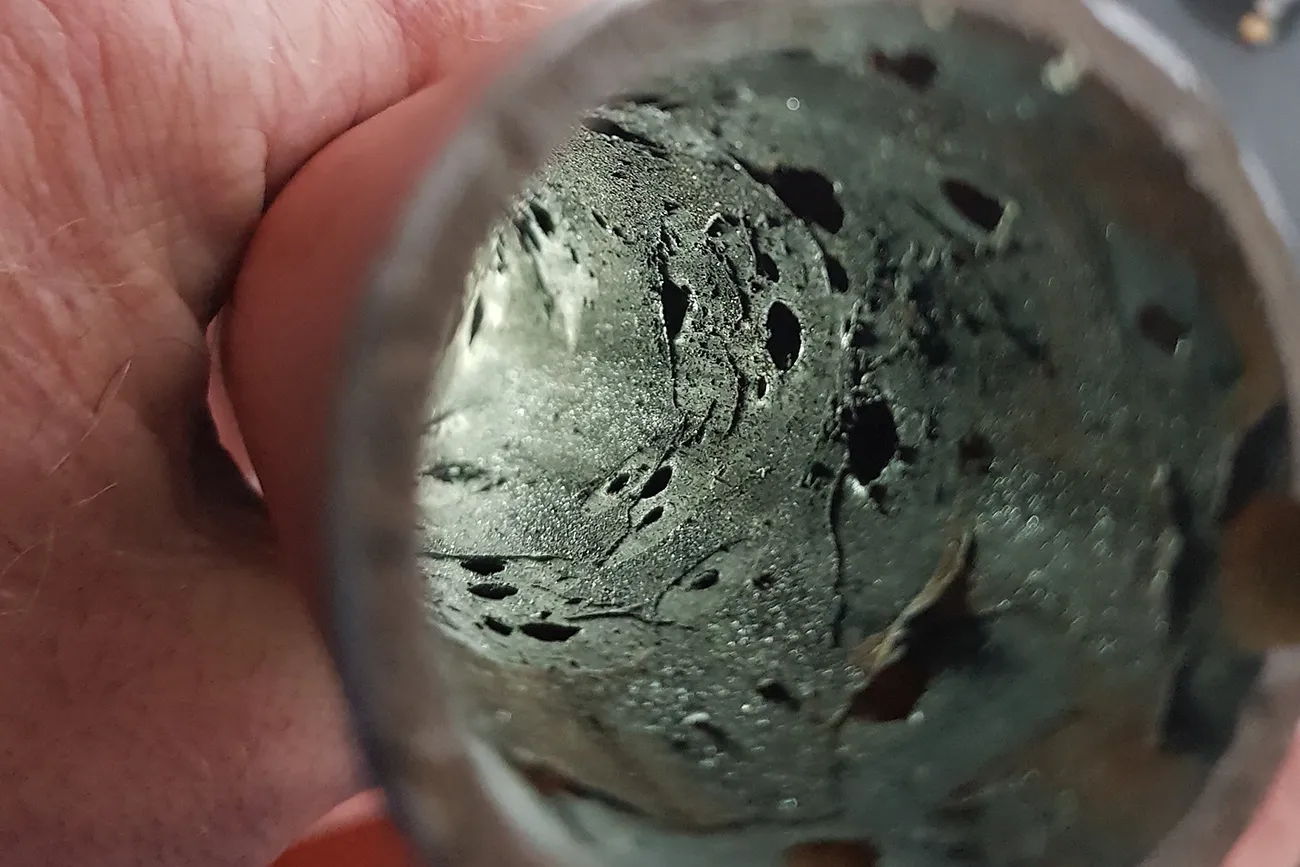
The most common problems and solutions in water treatment for closed-loop systems
The number of thermal energy storage (TES) systems in the Netherlands has risen sharply in recent years. This is hardly surprising: when combined with low-temperature emitters such as underfloor heating, floor cooling and low-temperature radiators, they can provide a comfortable indoor climate throughout the year while using minimal energy. The condition is that the system water is treated correctly, from commissioning throughout the system’s entire service life. If this is not done, or is done inadequately, the following problems may arise, according to Mario van Gorsel, director of KOREX Benelux:
1. Construction debris and sludge
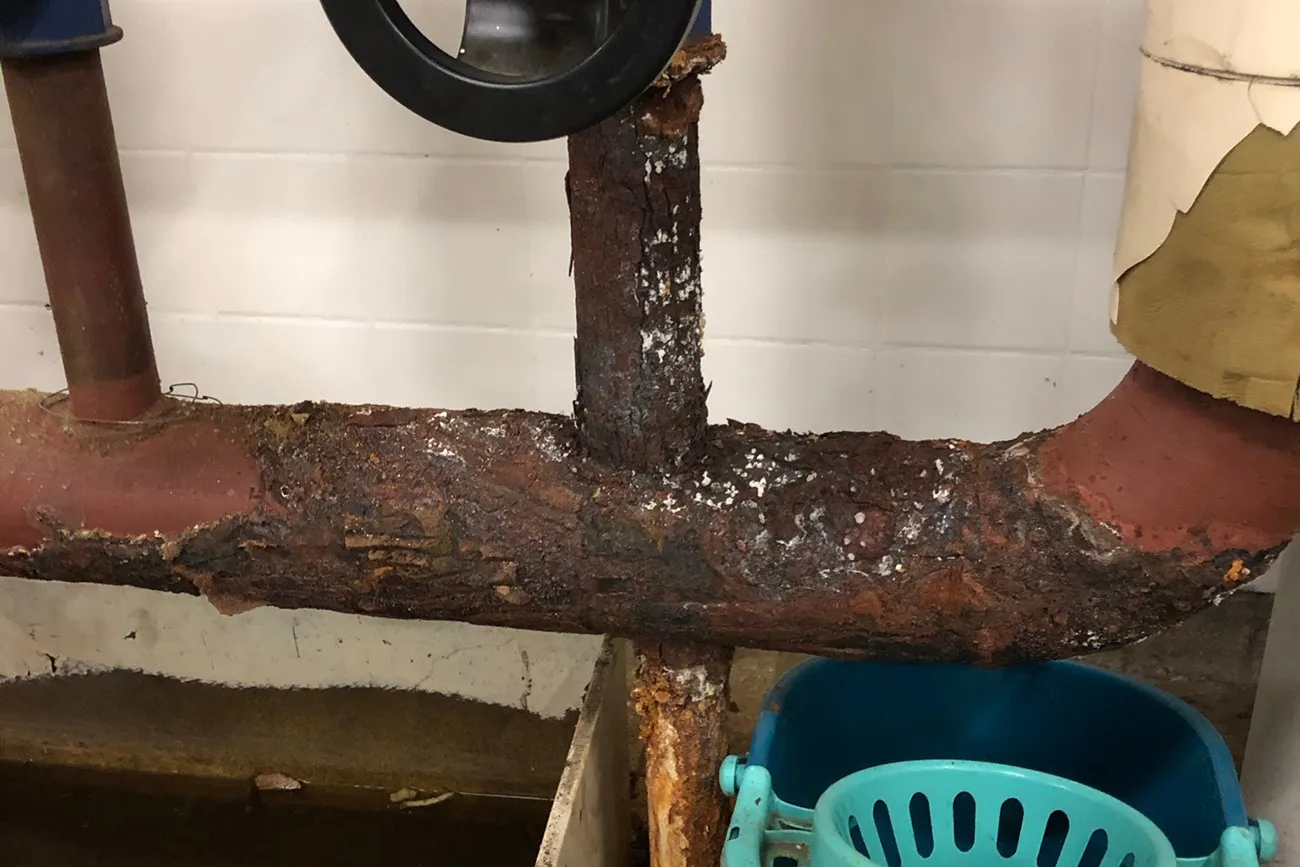
“Unfortunately, many installers still underestimate how much construction debris and sludge gets into, for example, the connecting and riser pipes of closed-loop systems during construction. This can include dust, sand, welding spatter, welding flux and microfibres, which settle on the bottom along with the lime particles released, preventing the system from passivating itself,” says Van Gorsel. “In this case, the pH of the heating water is constantly being neutralised. The system therefore remains corrosive, resulting in significant losses in efficiency and comfort, as well as faults and failures in valves, shut-off valves, controllers, pumps and other components.”
To remove construction debris and sludge from the system, it must first be flushed. “Filtration can then be used to remove dirt from the system.” It is important to mobilise the contaminants. “For example, adding an inhibitor (corrosion inhibitor/protective agent) prevents dirt from settling. A second, measured dose of liquid can then be used to raise the pH step by step to the required level.” The system must be deaerated to control this process properly and prevent the pH from being neutralised.
2. Contamination and blockages
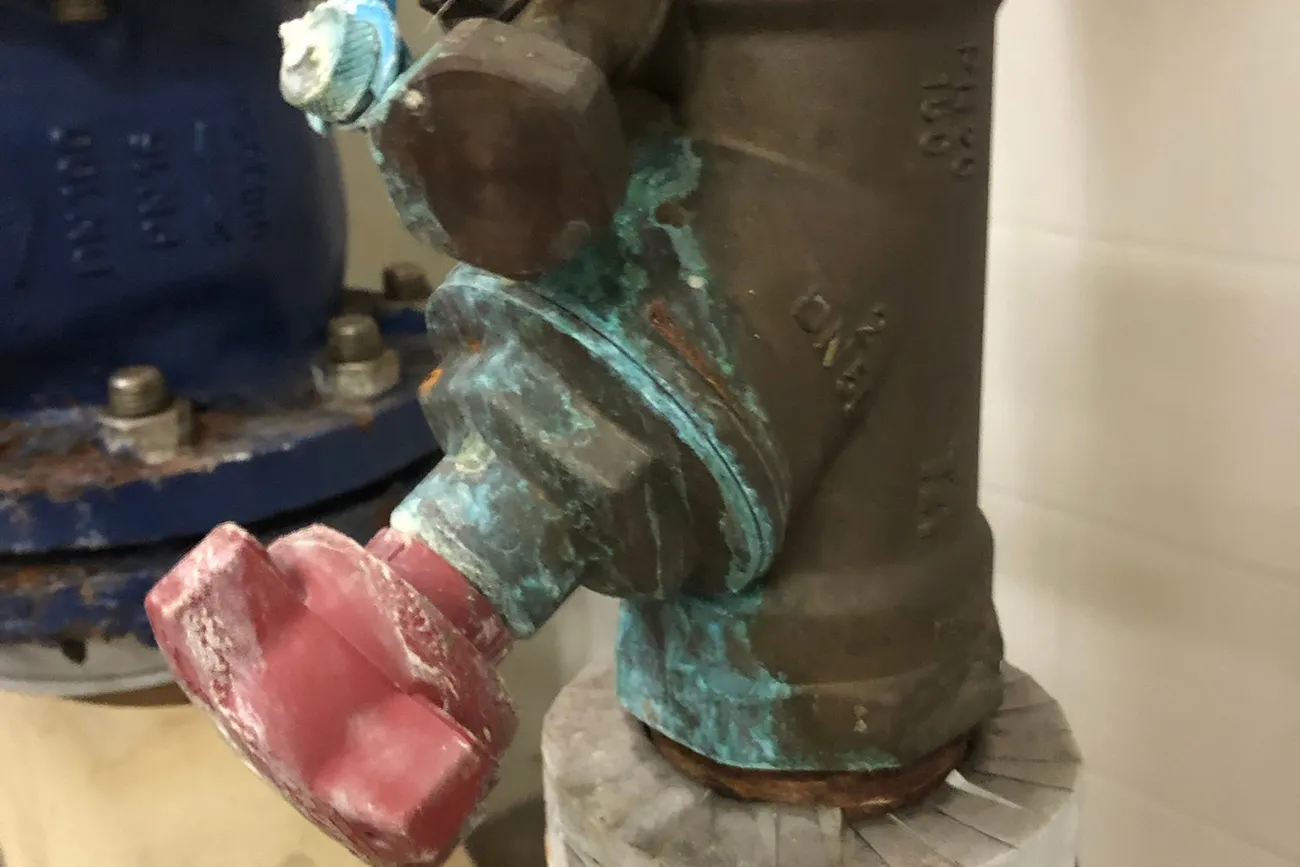
With the introduction of low-temperature systems, water volumes have decreased and pipe diameters have become smaller. “The latter in particular regularly causes problems, as it makes blockages more likely,” says Van Gorsel. “To prevent this, contaminants must be captured promptly and effectively.” When large quantities of fine magnetic particles are deposited in the system, rooms do not heat up sufficiently. “Systems can also go into fault mode, and consumption-based billing is no longer reliable. To address this problem, the protective layer in the system must be restored. Mobilising contaminants, filtration and deaeration are essential here too.”
3. Incorrect and/or excessive use of inhibitors
When an inhibitor (corrosion inhibitor/protective agent) is used, it must be applied correctly and in exactly the right quantity to keep the conductivity and alkalinity of the system water low, says Van Gorsel. “In practice, however, so much is often added that the conductivity of the system water becomes too high, leading to galvanic corrosion when combined with low water hardness.” Corrosion of materials such as steel and aluminium is only possible if the water is electrically conductive, he emphasises. An inhibitor is not needed for this. “If too much or the wrong inhibitor is used, the system should be flushed completely and the water treatment process started again.”
4. Incorrect combinations of materials
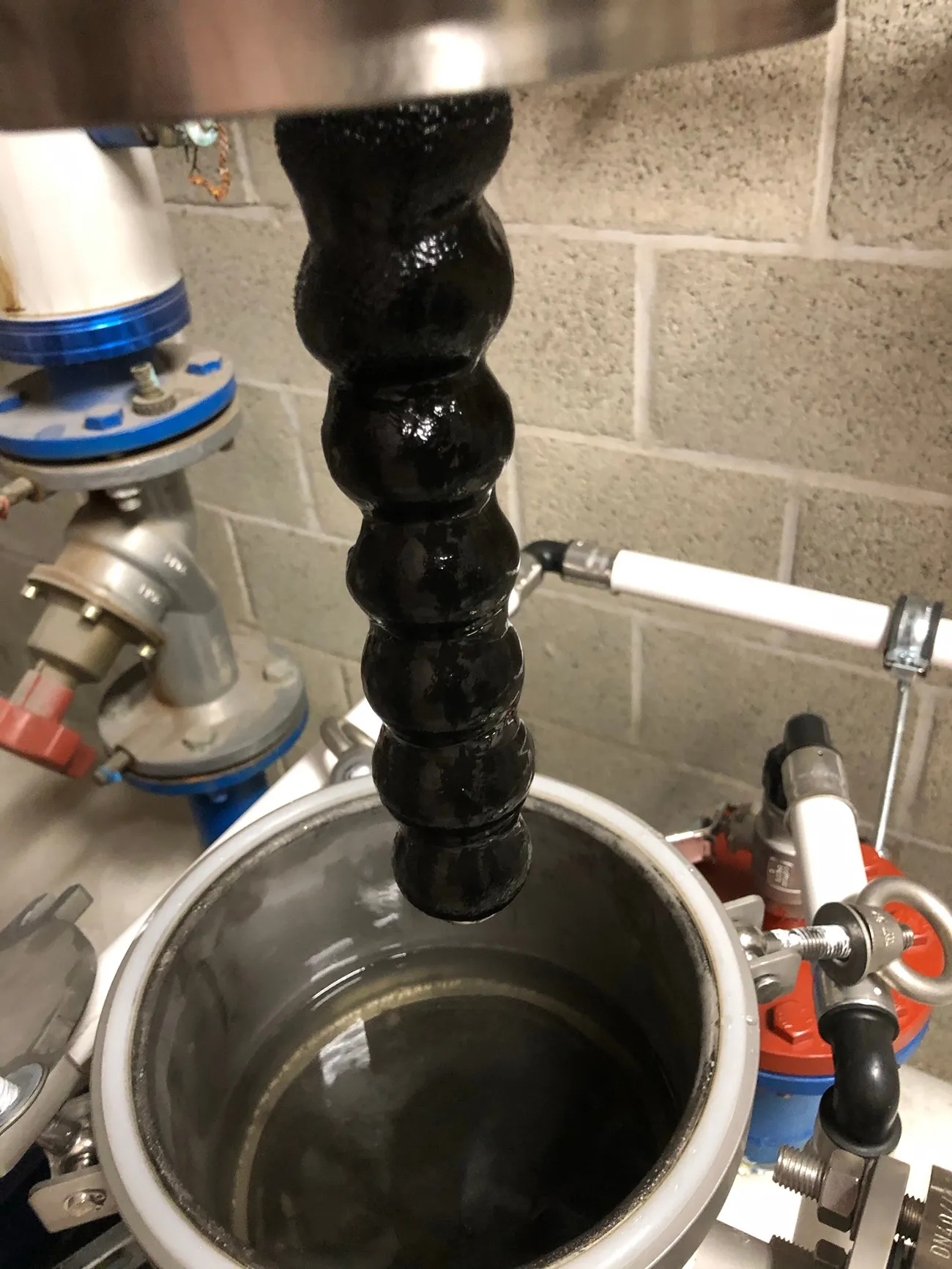
Van Gorsel also sees different materials being used in the same system too often. One example is a combination of copper and stainless steel, which can cause galvanic corrosion. “With galvanic corrosion, the less noble material (the anode) is usually attacked, while the more noble material (the cathode) is protected against corrosion,” he explains. “The anode material will corrode, potentially causing pitting and, eventually, serious leaks. To prevent this, sacrificial anodes are often used in the maritime sector, among others. This solution also works in closed-loop systems, where a magnesium oxide anode is preferably added and must be inspected and replaced periodically.”
For anyone looking to find out more about keeping water quality in closed-loop systems in optimum condition, VDI 2035-1 Sheet 2 is an excellent guide. It describes in detail the requirements from design and commissioning through the entire period of use, maintenance and any modifications.
When preserving the heating water in a closed-loop system, it is important to follow these steps:
Fill the system with tap water (pH-neutral).
Heat the system water to reduce the oxygen content (thermal deaeration).
The residual oxygen will react chemically with the corrosion present in the system and then dissolve in the water.
As the oxygen content falls further, the pH will rise. Once the pH exceeds 8.2, the corrosion pressure in the system is negligible.
A business enquiry for KOREX Benelux? Get in touch
Companies in this story
Keep following this
Get an email when a new story is published. No account needed.
- ThemeGas-free heating and cooling
- SubjectBuilding services engineering
- CompanyKOREX Benelux