Plug-in installation is faster and reduces the cost of errors
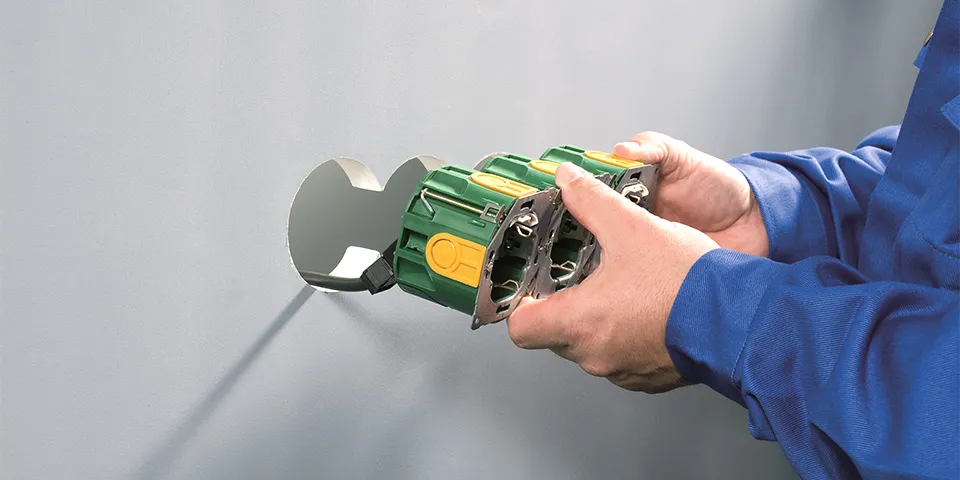
We are all so used to the ‘old-fashioned’ way of installing socket outlets and switches that we often do not realise it can be done better, faster and more cheaply. Yet those are exactly the arguments that have helped Peha Elektro BV make its mark with its plug-in wiring accessories.
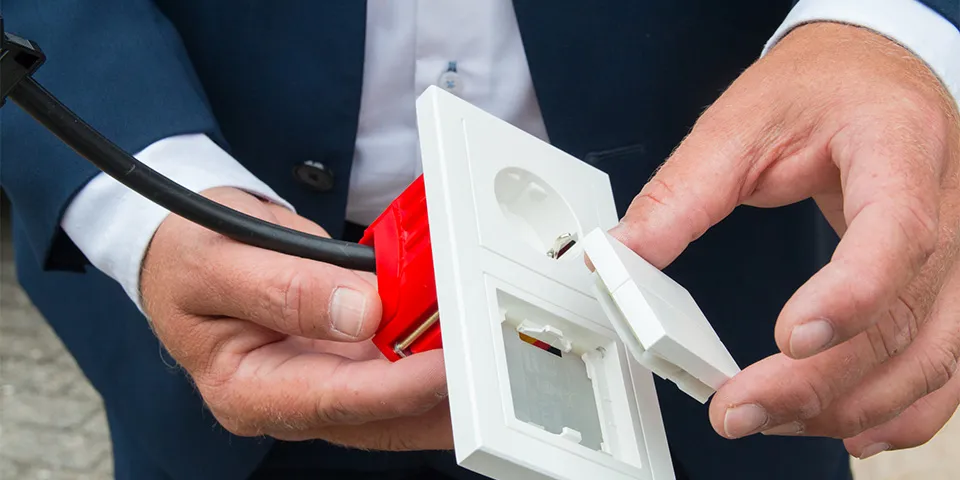
A combination of plug-in and wireless working.
Kees Lieshout of Peha explains: “Normally, you install an electrical conduit in the wall, which means labour-intensive chasing. Then you pull three wires through the conduit, sometimes having to use a draw wire. So that is labour-intensive too. Next, you fit the wall box and feed the wires into it. You then have to strip the wires before connecting them to the socket outlet. That takes time, and therefore costs money, and it is also an opportunity for mistakes.”
Plug and play
In 2008, Peha launched its first concept for plug-in installation. “Imagine arriving on site and finding a plug hanging out of the wall. You pick up a socket outlet with an integrated plug, plug it in and you’re done. That’s possible with our Socketline system. We work with leading cable manufacturers to supply the leads. The best of all worlds,” says Lieshout.
Short-staffed? Not any more!
Another major advantage is that one person can complete more installations, thanks to the time saved and the reduced risk of errors. “At a time when it is difficult to find staff, one person can get more done, and less-skilled workers can also deliver a good-quality installation,” says Lieshout. Peha’s plug-in installation system has become a hit in hotels and hospitals, and is now being used in housing too. “There, you have system walls, where all you need to do is run the cable with its plug behind them. It works faster than you ever thought possible.”
TNO and KEMA certification
Socketline Flex is patented and the only system to carry TNO and KEMA certification. “That says something,” Lieshout continues. “Also well worth looking at are our wall transmitters with wireless receivers. The ‘Actor’ responds to a battery-free transmitter in the wireless switch. When pressed, a piezo element generates enough power to send a three-part signal to the Actor. Pure convenience in use and installation!”
Question about this story? Ask your question
Keep following this
Get an email when a new story is published. No account needed.
- ThemeBuilding electrical systems
- SubjectBuilding services engineering