Pluggable installation: save time and cut costs

Since pluggable installation was introduced to the market, the principle and the products that make it possible have grown significantly in popularity. Installers, too, are keen to use solutions that make their work easier, less time-consuming and more cost-effective. The evolution is not over yet: emerging developments in the construction sector, such as BIM and circular construction, make pluggable installation an even more obvious choice than before.
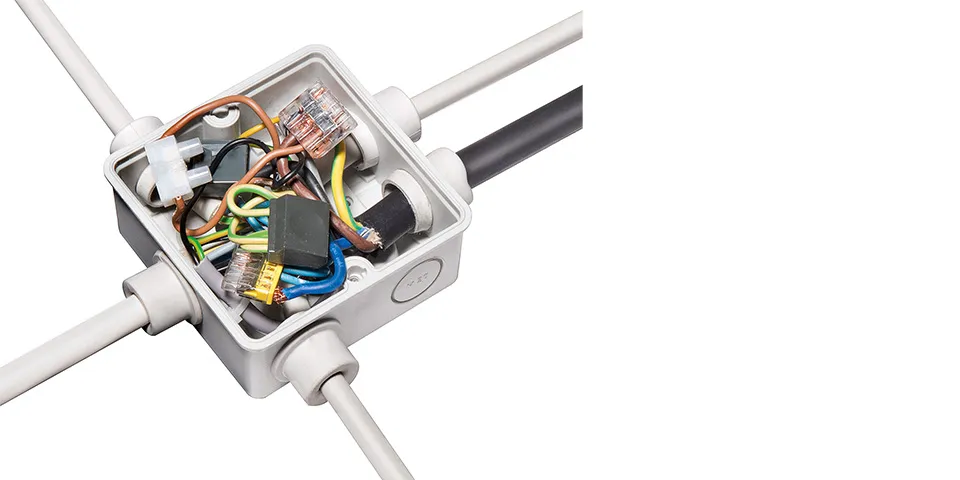
Pluggable installation does away with loose cables, conduits, junction boxes and terminal blocks. In their place are ready-made kits, with cables already cut to the correct length and fitted with connectors. The distribution board is pre-assembled too: the installer simply has to plug everything together on site. There is no need to cut or strip cables. This can make installation much faster, with time savings of up to 70%. Projects also cost considerably less, with savings estimated at around 30%. There are fewer costs resulting from errors, as it is almost impossible to assemble the installation incorrectly. Pluggable installation also guarantees a high degree of flexibility: the system can easily be modified by unplugging a connector and plugging it back together in a different configuration.
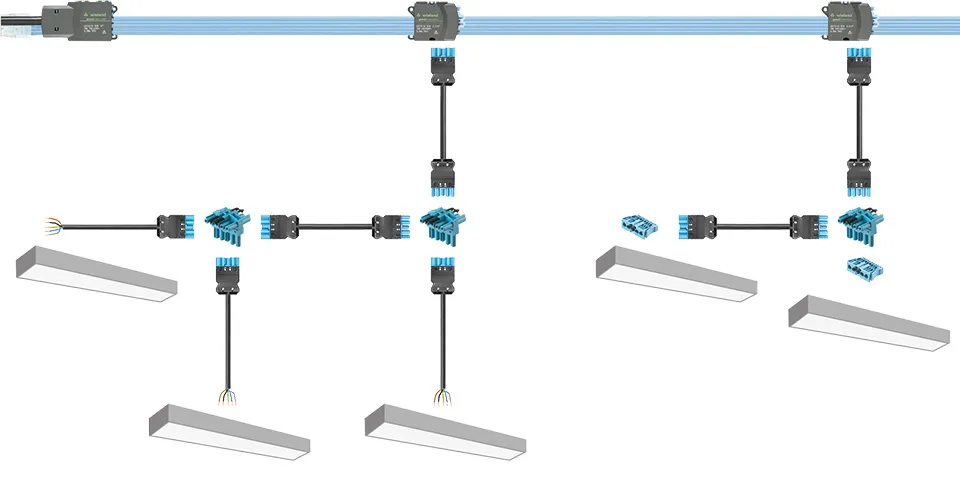
New developments are expanding the range of applications and the benefits.
Pluggable installation can always be used, provided the products are certified in accordance with IEC EN61535. This standard was drawn up as a guide to pluggable installation and sets out a number of important requirements: locking devices must be used at every connection (M/F), plugs for domestic use must not be interchangeable with pluggable components, and withdrawal forces and many other matters are clearly specified.
Plan ahead
Gunther Van Duyse is Managing Director of Atem nv. In Belgium, Atem distributes products from Wieland Electric, the world market leader in pluggable installation. He is therefore well placed to assess the benefits for installers. “Pluggable installation simplifies the installer’s work, but that does not mean the installer has nothing left to do,” he stresses. “Pluggable installation requires planning in advance, down to cable type and length. Ad hoc applications are not straightforward. The work that needs to be done beforehand should not be underestimated. The use of BIM models will help to overcome this.”
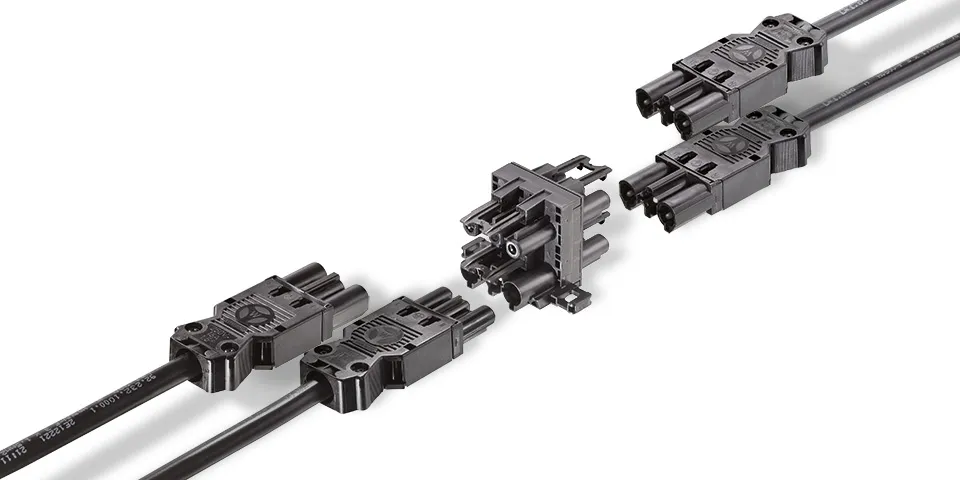
Pluggable installation does away with loose cables, conduits, junction boxes and terminal blocks.
BIM and circularity
The technological evolution of pluggable installation has not yet reached its end point. New developments are expanding the range of applications and the benefits. Gunther Van Duyse: “For example, additional BIM database support is being introduced for all GST®-based products, and new training tools are ready to help users make better use of existing pluggable components. We are also seeing more and more solutions that make additional applications suitable for pluggable installation in non-tertiary buildings. Modules such as sanitary units are delivered to the construction site ready to install (‘plug-and-play’), while façade systems are supplied pre-wired. There are countless examples showing that the world of pluggable installation is continuing to expand and develop. New applications emerge every day, invariably driven by the need to build faster and more systematically.”
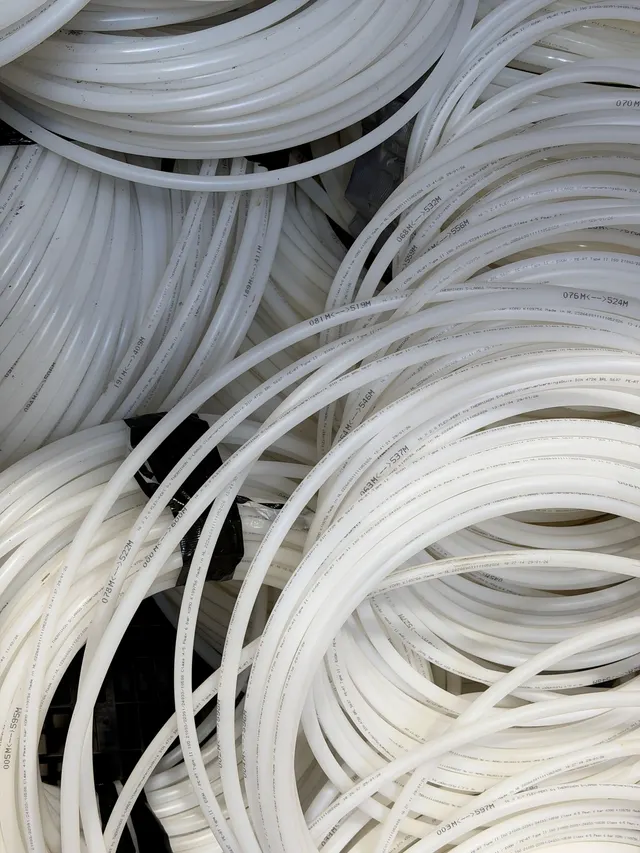
Pluggable installation also makes it possible to minimise material use and contribute to a more sustainable, circular society. This is a significant advantage, as the principle of ‘circular construction’ is gaining ever greater importance in 2019. “As our cables can in principle be easily reused when modifying the installation or removing part of it, we also play an important role in the choice of materials. Recycling will be considerably easier with pluggable products than with traditional installation cables cut to size. Wieland’s standard practice is to print clear information on the cable type used, its length and other details needed for any future recycling, such as the CPR class.”
Question about this story? Ask your question
Keep following this
Get an email when a new story is published. No account needed.
- ThemeBuilding electrical systems
- SubjectBuilding services engineering