Prefab systems speed up apartment block renovations
Text and images Remeha BV
Renovation and energy-efficiency projects in apartment blocks are increasingly focused on speed, predictability and minimising disruption for residents. Prefabricated and modular systems play a key role. By building most of the systems off site, project lead times are reduced and the risk of defects is lowered.
More and more clients, contractors and installers are therefore opting for a prefabricated approach, shifting the bulk of the engineering work to the design stage. “To design smart, error-free prefabricated and modular solutions, we don’t want to keep reinventing the wheel,” says Nico Loppersum, application engineer at Remeha. “That’s why we have a library of standardised system solutions. These descriptions and 3D models help speed up processes and prevent errors.”
Faster design and installation
According to Loppersum, tools such as Revit models speed up the design, tendering and installation process. They also provide insight into practical constraints, such as limited plantroom space or the challenges of fitting systems into existing buildings. “In apartment blocks and gallery-access flats, a shared approach is often more efficient than individual solutions. Depending on the circumstances, there are several ways to improve energy efficiency. One option is to replace existing boilers with a modern, efficient central heating system. Where there is grid congestion, hybrid solutions offer an answer: a heat pump meets most of the heating demand, while a central heating boiler covers peak loads and domestic hot water. Where the grid connection allows, all-electric heat pump systems are a logical next step, often arranged in a cascade to optimise grid demand and energy use.”
Collaboration is key to success
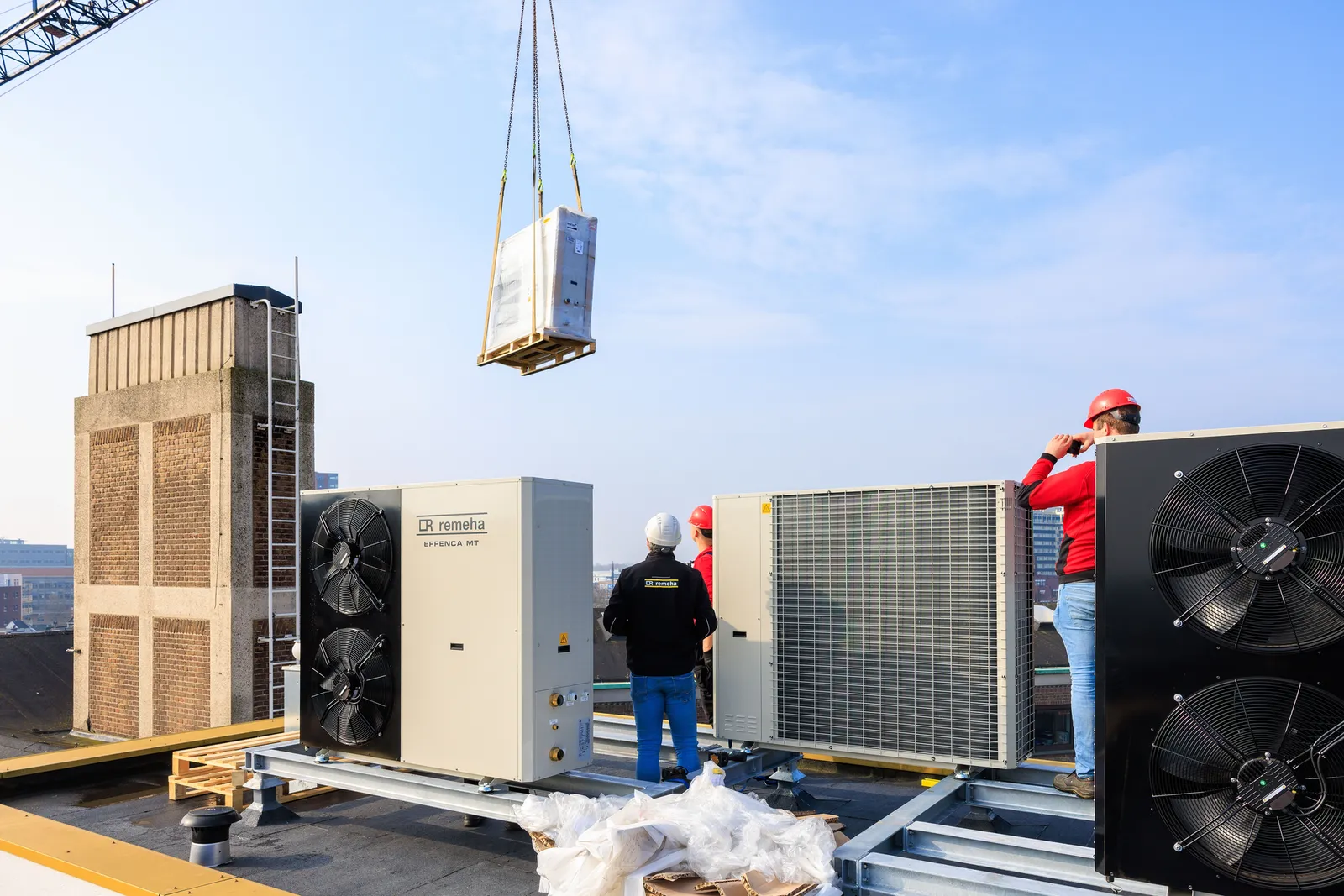
The benefits of prefabrication are most apparent during installation, where collaboration across the supply chain is essential. Remeha’s engineers can work with the client, contractor and installer at an early stage to identify the best-fit solution. For example, installation company Aalberts developed a sustainable system for BlockHouse, student accommodation in central Groningen. A complete plantroom was assembled off site, including three Quinta Ace 160 central heating boilers, five Effenca MT40 heat pumps and a miTera Plus cascade controller. The system was lifted onto the roof and connected in a single morning or afternoon, keeping disruption to residents and the surrounding area to a minimum.
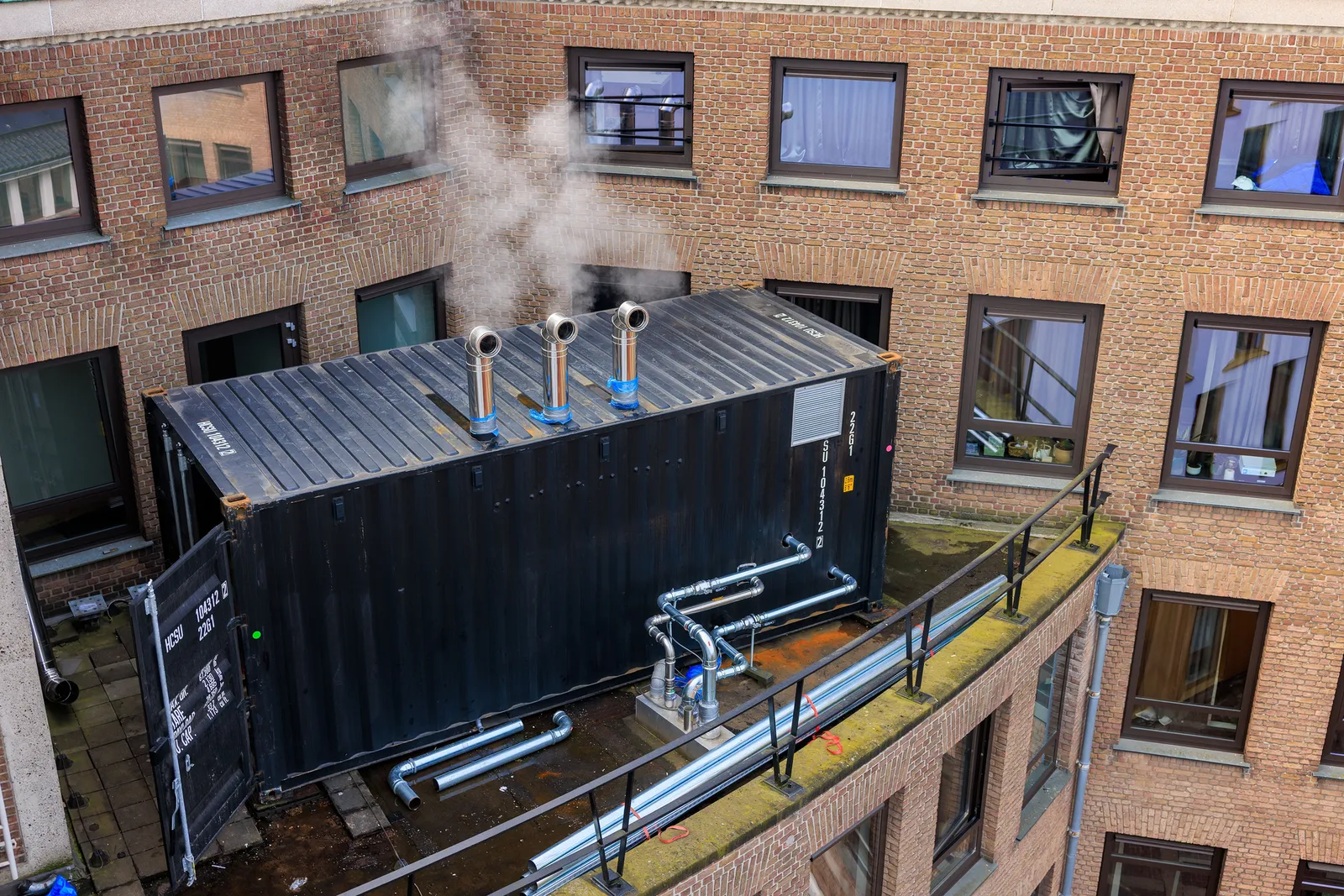
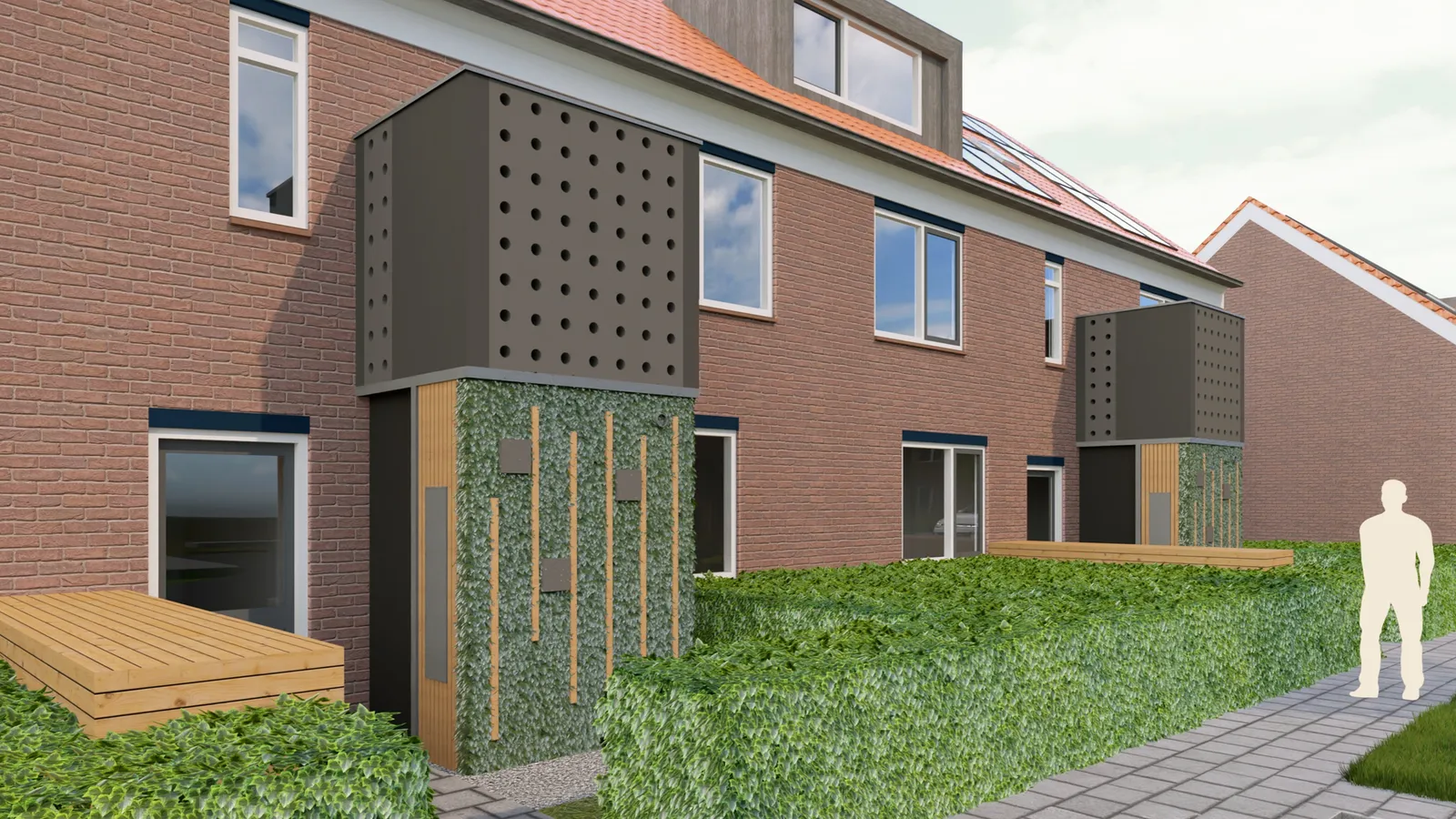
Another example is a renovation project near Nijmegen. Here, Installatiebedrijf Kemkens worked with Remeha to develop eleven skids combining a heat pump, a central heating boiler and a buffer vessel. The units were installed outside along the façade and provide several homes with heating and domestic hot water. In each home, a Fortes Aquaheat delivery set with booster distributes the heat. This approach kept work inside the homes to a minimum and allowed the system to be installed quickly in a repeatable process.
Taking the burden off clients and sharing expertise
Prefabricated construction calls for a different way of working together. “Coordination between the client, contractor and installer is crucial, especially during the early design stage,” says Loppersum. “Taking building services into account as part of the overall design leads to solutions that can be installed in practice. We support installers with solutions that are not only technically sound, but also practical to install. We have now developed so many different projects and solutions that we can almost always offer a ready-to-use concept that works in practice.”
Especially at a time of grid congestion, it is important to have options that remove today’s bottlenecks and ensure energy-efficiency improvements can continue in the future.

Building services fit for the future
Growing pressure on the electricity grid and stricter sustainability requirements are driving demand for flexible, scalable solutions. Prefabricated systems make it possible to respond quickly. For installers, this means more preparation and the assembly of pre-tested systems, resulting in fewer costs from defects, shorter construction times and higher quality. Prefabrication is therefore not a trend, but a lasting development. Those who organise the process effectively benefit from speed, reliability and better control over project outcomes.
Have a business enquiry for Remeha BV? Get in touch
Companies in this story
Keep following this
Get an email when a new story is published. No account needed.
- ThemeIntegrated construction and building services
- SubjectBuilding services engineering
- CompanyRemeha BV