Prevent efficiency losses in heat pumps
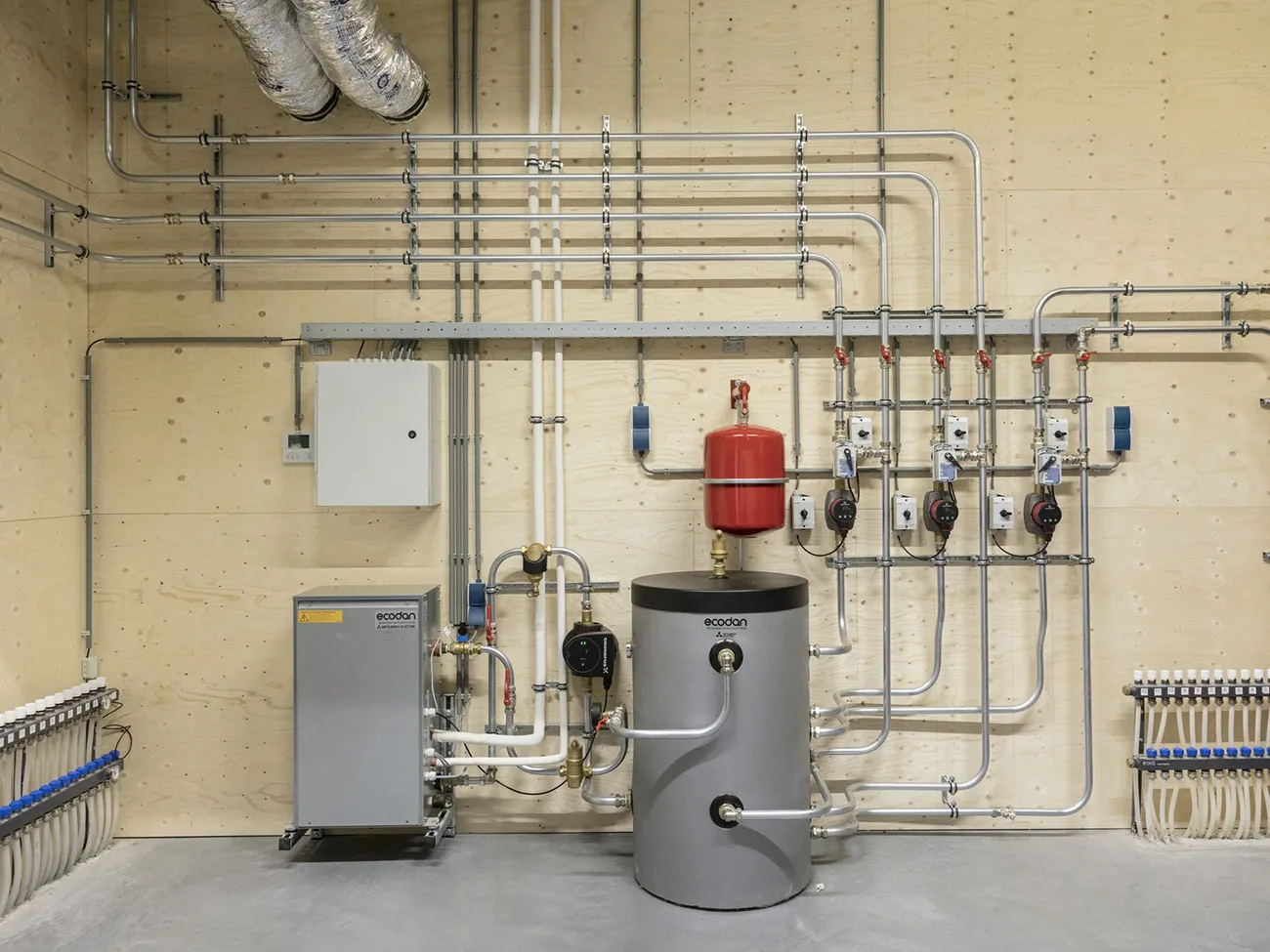
The Netherlands has the ambition and plans to meet the energy needs of all people and businesses in a fully sustainable way from 2050 onwards. This is a far-reaching transition, even greater than the construction of the gas infrastructure in the 1960s. How exactly this sustainable energy supply will be achieved will depend on technical innovations and cost developments.
In the coming decades, heat pumps will already help fulfil some of this sustainable ambition, thanks to proven technology and potentially attractive efficiency. Potentially, because poor advice, poor installation, and air and dirt can cause efficiency losses, just as they can in heating and cooling systems. In some projects, the results have therefore fallen short of expectations. This article first explains how heat pumps work and how the market is developing. It then looks at how air and dirt can affect efficiency, and at a solution to prevent these problems. Finally, it offers some advice from the field.
How heat pumps work and market developments
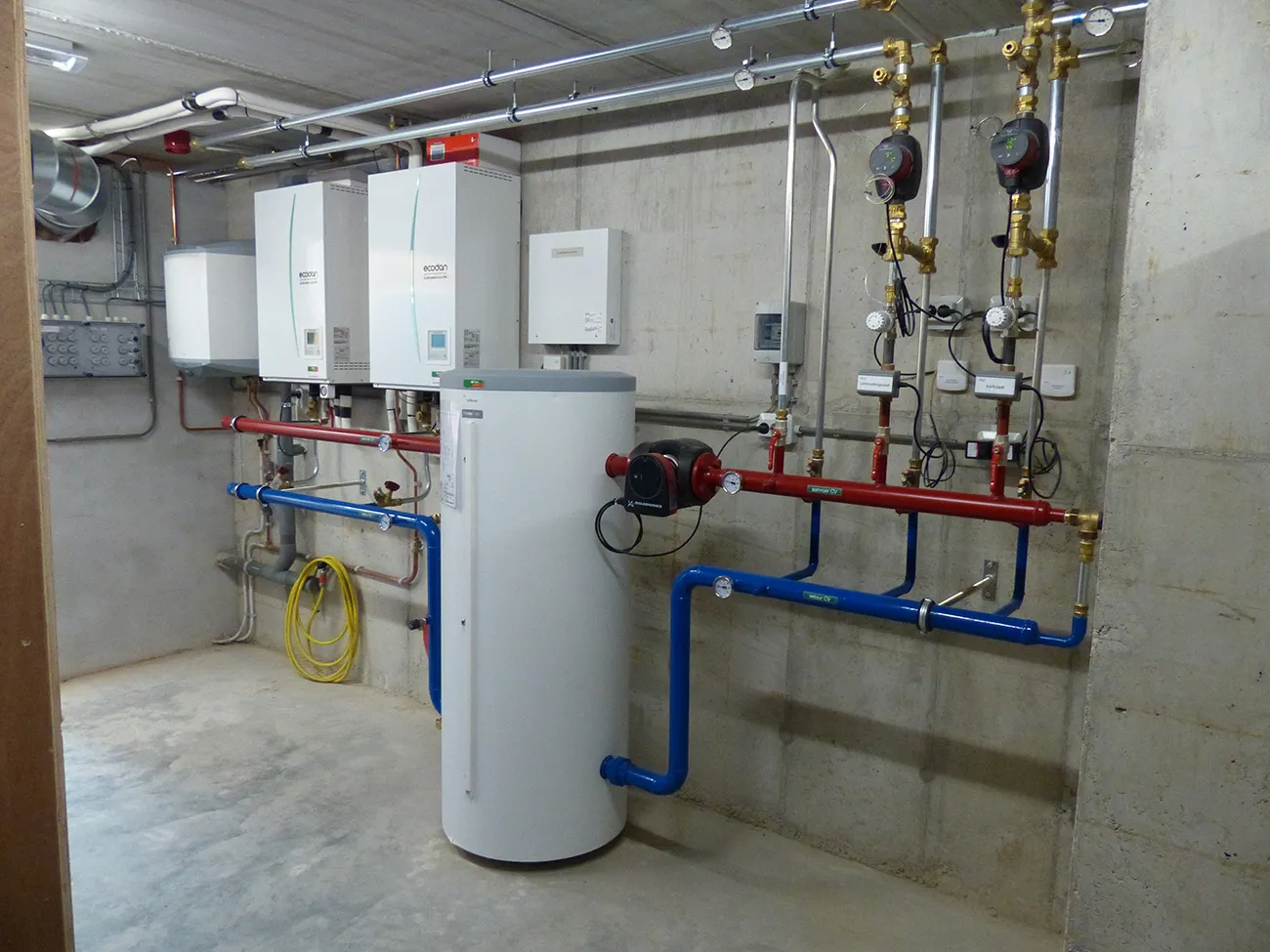
Heat pump is a generic term for any device that transfers or pumps heat, which means that various household appliances also fall under this category, including refrigerators and air conditioners. Technically, all heat pumps operate according to the same thermodynamic cycle of absorbing and releasing heat. This heat transfer requires a small amount of electricity to drive the heat pump’s compressor, which transfers heat from a heat source to a heat user. One example is the water in a central heating system used to heat a home. The heat source can be outdoor air, a ground source or surface water. These are known as air-to-water or water-to-water heat pumps.
Heat pumps have been used for decades in homes, non-residential buildings and industry. Today, many people understand heat pumps to mean a sustainable solution for heating or cooling buildings and homes. According to Statistics Netherlands (CBS), this market grew by around 27% in 2018, to almost 110,000 units. This figure does not include ‘hybrid’ ventilation heat pumps, which support a high-efficiency boiler. Across Europe, a total of 12.3 million were sold in 2018, according to the EHPA. Given the wide variety of heat pump types, it is important to seek expert advice when purchasing and installing one. It is also important to ensure that efficiency does not decline over its long service life.
Efficiency differences between heating solutions
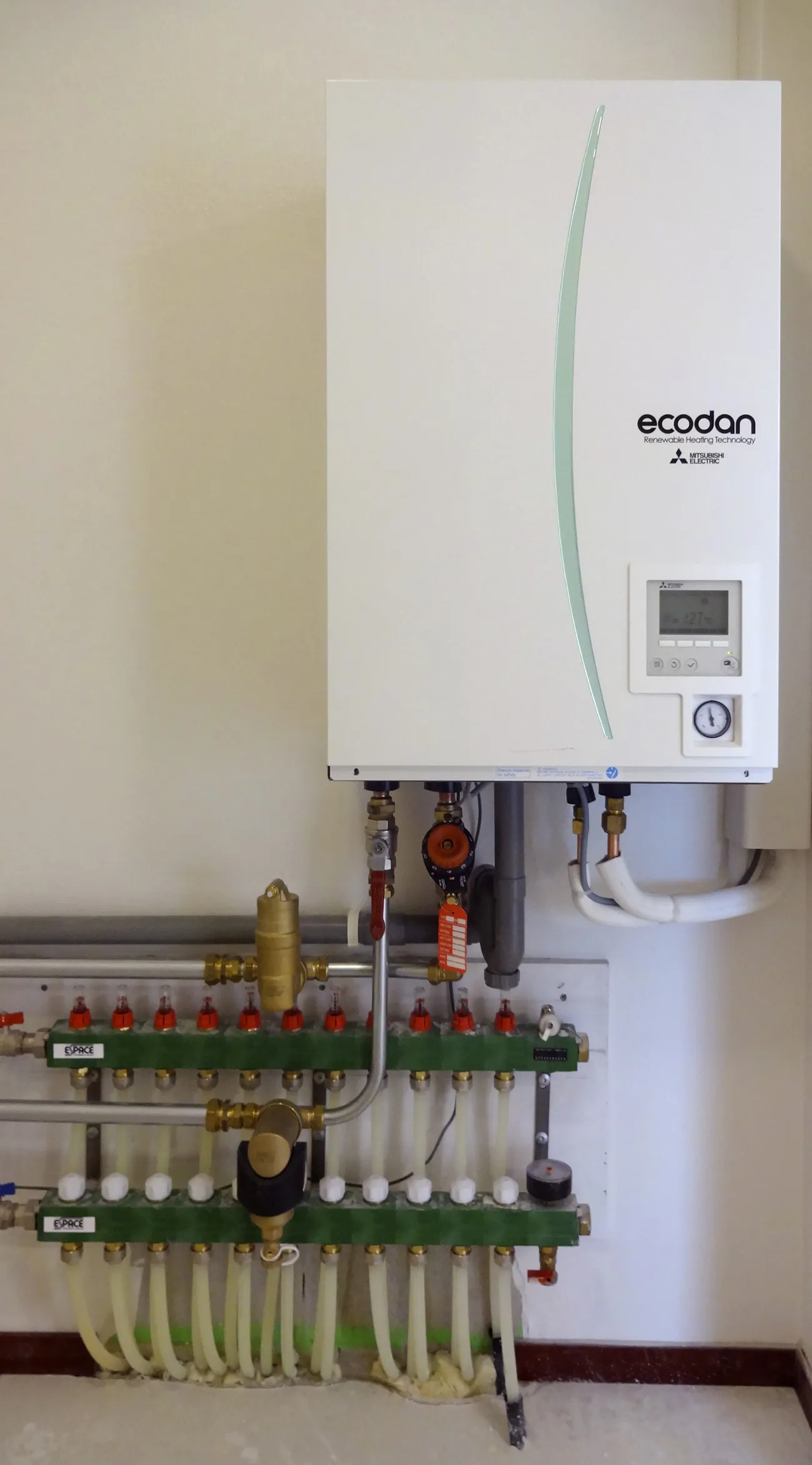
Almost half (44%) of the energy we use in the Netherlands is needed to generate heat. It is therefore wise to take a close look at the efficiency differences between heating solutions, both when purchasing them and during use. In an ideal situation, systems heated directly by gas or electricity, such as heaters and most central heating systems, deliver the same amount of heat as they consume. Their efficiency is therefore a maximum of 100%. Heat pumps can achieve efficiencies of 400% or even 500%. This high efficiency is possible because a large amount of heat is extracted ‘free of charge’ from the environment, giving you 4 to 5 times as much heat in your home as the electrical energy used by the heat pump compressor. Because heat pumps operate with smaller temperature differences than gas-fired boilers, they require both a larger heat-emitting surface and a higher water flow rate. For example, underfloor heating can be used instead of standard radiators. Disappointing heat pump efficiency is usually the result of poor advice or a lack of knowledge and experience in applying the technology. As with traditional central heating and cooling systems, air and dirt in the system can also significantly reduce efficiency over time. Fortunately, proven and effective solutions are available to prevent such losses.
Preventing efficiency losses caused by air and dirt
Air and dirt are unobtrusive but common causes of efficiency losses in heating and cooling systems. Their impact is greater in systems that operate at lower temperatures to save energy, such as heat pumps. Underfloor heating systems are also more susceptible to the build-up of air and dirt than radiators. Without realising it, people and businesses offset these efficiency losses through higher energy bills. The negative impact of air and dirt build-up on system efficiency has been extensively tested and documented visually using infrared cameras, including by Kiwa Gastec. The effectiveness of potential solutions to prevent efficiency losses caused by air and dirt has also been tested.
Air can be present in systems as microbubbles, dissolved in the water or in free form. This reduces both flow and heat output. Research at Brunel University shows that bubbles at the outlet of heat pumps are very small (around 0.1 mm) and can only be captured by an effective microbubble deaerator. Dirt build-up is caused by corrosion of pipes and system components, bacterial growth or limescale. Air and dirt both reduce the efficiency and service life of heat pumps and heat exchangers, increasing their ‘Total Cost of Ownership’. Fortunately, both can be easily removed from a system using an automatic air vent and dirt separator, or a combination of the two. Some contamination can be prevented with additives. These are substances added to maintain system water quality and, in turn, system efficiency. As well as preventing losses, these solutions also reduce the risk of faults.
Advice from the field
The negative impact of air and dirt on system efficiency is so significant that Alklima routinely specifies automatic air and dirt separators when selling heat pumps. “Our service contacts show a direct link between all reported issues and the presence of air and dirt in the system water,” says Rudy Grevers, residential construction manager at the company. “In low-temperature systems, microbubbles are more common and dirt particles build up faster than in high-temperature systems, reducing energy performance. When customers contact us about a code 9 notification, it is often caused by air or dirt, even though it can easily be prevented with an automatic air and dirt separator.”
Another heat pump specialist, Menno van der Hoff of Triple Aqua Consulting, also recommends adding automatic air and dirt separators to heat pumps using system water or a refrigerant. “The slightly higher purchase price due to this additional system component is quickly repaid many times over through improved energy performance over the total service life. In addition to automatically removing air in the system water and metal particles caused by corrosion, it also reduces the risk of faults. Finally, special additives that maintain system water quality also help prevent dirt build-up and optimise heat pump efficiency.”
A business enquiry for Spirotech? Get in touch
Companies in this story

Keep following this
Get an email when a new story is published. No account needed.
- ThemeGas-free heating and cooling
- SubjectBuilding services engineering
- CompanySpirotech