Save energy with hydronic balancing
Text Lieke BousemaImage Caleffi

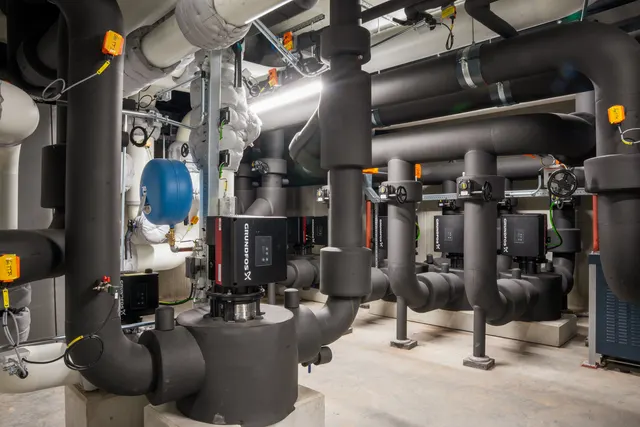
Buying a heat pump or connecting to a district or block heating network is no guarantee of a sustainable heating system. To minimise energy and gas consumption and CO2 emissions, and maximise indoor comfort, the entire heating system must be balanced. Good hydronic balancing is essential, says Mauro Manfredi, Managing Director of Caleffi. “By hydraulically balancing the installation, most buildings can achieve energy and gas savings of as much as 15-20%.”
Caleffi has been an expert in the hydraulic balancing and treatment of heating systems and drinking water installations for many years. In view of the revised EPBD (EPBD III) and ahead of 2026, when more efficient heating installations will become the norm, Caleffi is stepping up its awareness-raising efforts. The aim is to promote the importance of hydraulic balancing more widely among both installers and building owners. “The revised EPBD requires, among other things, that heating installations in homes and non-residential buildings are hydraulically balanced,” says Manfredi. “In the Netherlands, this requirement has already been incorporated into the NTA8800 assessment method. By setting requirements for matters such as balancing, intelligent control and secondary control of heating installations, the European Commission aims to improve the energy performance of buildings. EPBD III applies to all buildings where heat generators are replaced, or where at least one third of the heat emitters, usually radiators, are installed, replaced or renovated.”
Correct flow rates
By hydraulically balancing systems, installers ensure that water flows through radiators, underfloor heating and convectors at the correct flow rates and speed, giving it sufficient time to release its heat. “This not only reduces energy bills, but also ensures evenly heated rooms,” says Manfredi. “It also prevents pipes from knocking.” If the heat source is a central heating system or hybrid heat pump, substantial savings can be made on gas consumption and CO2 emissions. “This enables installers and building owners to make an important contribution to tackling the greenhouse effect.”
Dynamic control valves
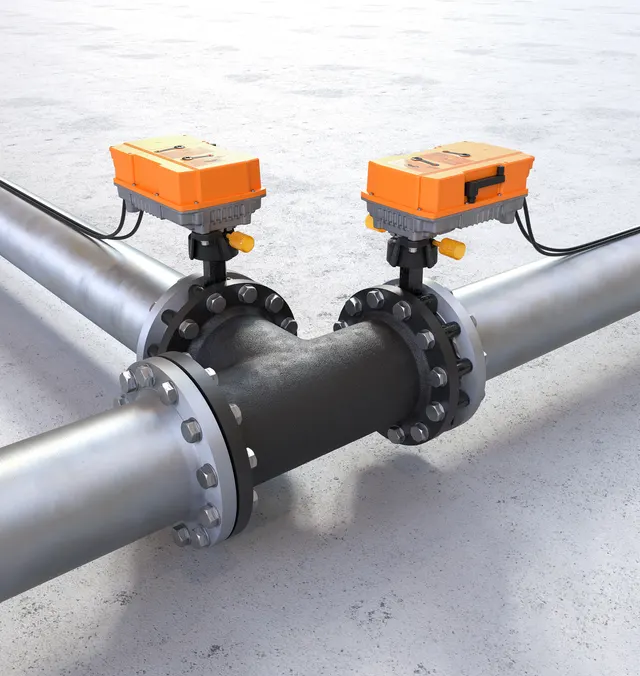
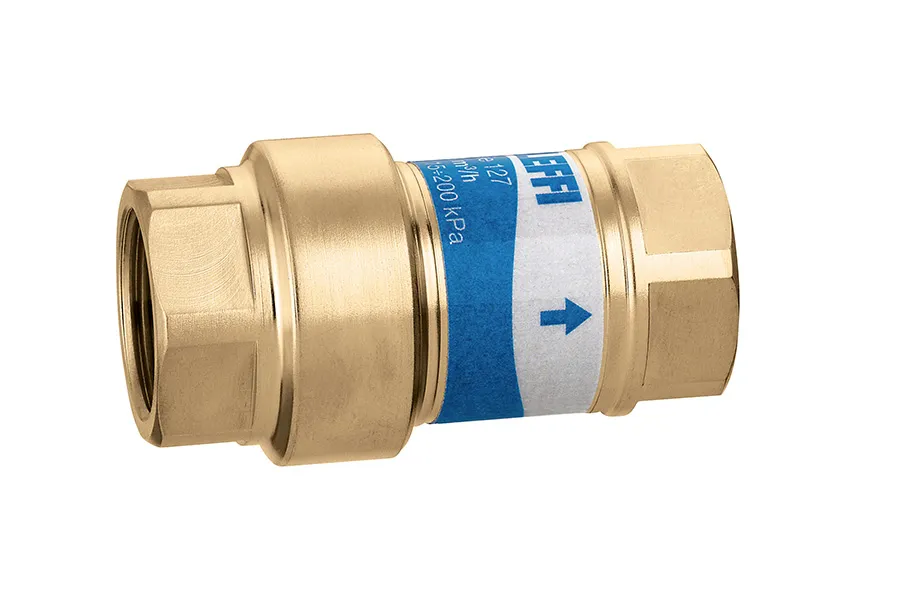
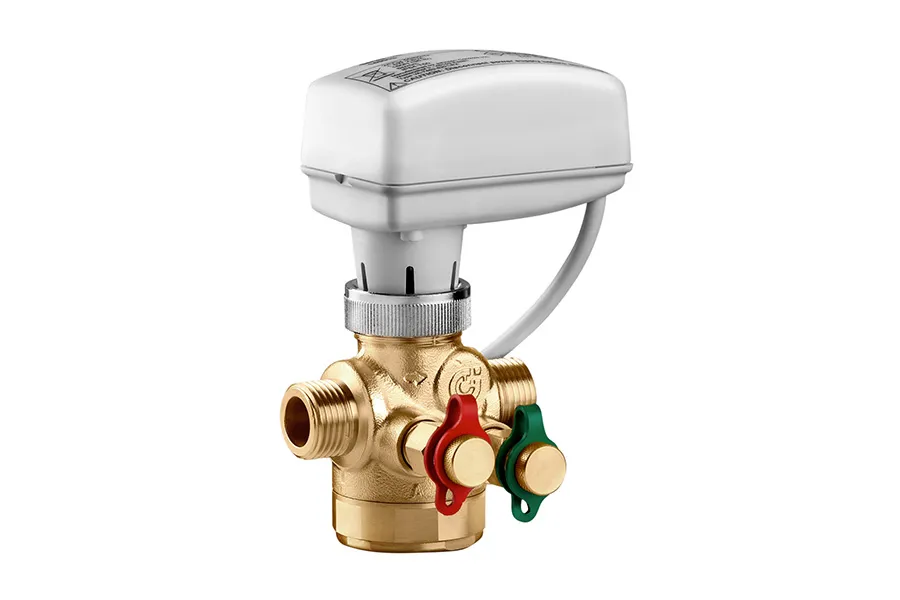
Installers have three basic methods for hydraulically balancing systems: balancing with radiator valves or lockshield valves, balancing with static control valves, or balancing with dynamic control valves. Manfredi strongly advocates the last method, in which dynamic control valves are installed to accommodate part-load conditions. “The control valves make it possible to set the amount of water flowing through the heating system very precisely, regardless of the system pressure.”
Support and peace of mind in both design and products
“Dynamic control valves automatically respond to changes in a building’s heating demand,” Manfredi stresses. “This means no more energy or gas is used than strictly necessary.” Careful system design is essential to make this possible, and Caleffi can provide expert support. One example is the Caleffi Hydronic Design software, which installers can use to design, calculate and optimise heating installations. “The dynamic control valves are then individually manufactured to exact specifications and functionally tested, ensuring they work correctly. Installers do not need to worry about this further.”
A comprehensive range of solutions
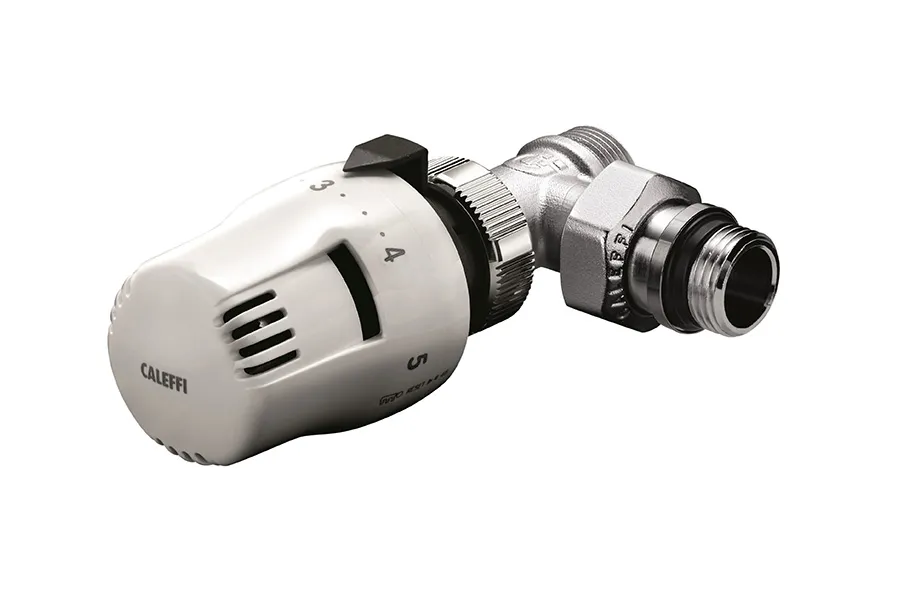
A key product in Caleffi’s hydraulic balancing range is AUTOFLOW®, a series of compact automatic flow regulators that maintain a constant flow rate as operating conditions change. “Our FLOWMATIC® series is also worth considering, as it allows even more precise balancing.” While AUTOFLOW® is ordered and supplied to the required flow rate, FLOWMATIC® allows a maximum flow rate to be set and then fine-tuned using the adjustment knob. “The flow rate can also be adjusted further using an actuator, so that every room is optimally balanced.” For private homes and renovation projects, Caleffi developed the DYNAMICAL® dynamic radiator valve, which combines a thermostatic valve, balancing valve and differential pressure regulator. “It is an ideal solution for renovation projects where the heat emitters are still mainly radiators and a complete system renovation is not planned. Every situation and system requires a tailored solution to achieve the best results. Caleffi can provide support from A to Z.”
Een zakelijke vraag aan Caleffi International N.V.? Get in touch
Companies in this story

Keep following this
Get an email when a new story is published. No account needed.
- ThemeGas-free heating and cooling
- SubjectBuilding services engineering
- CompanyCaleffi International N.V.