Take the strain out of current measurements for maintenance, repairs and MRO
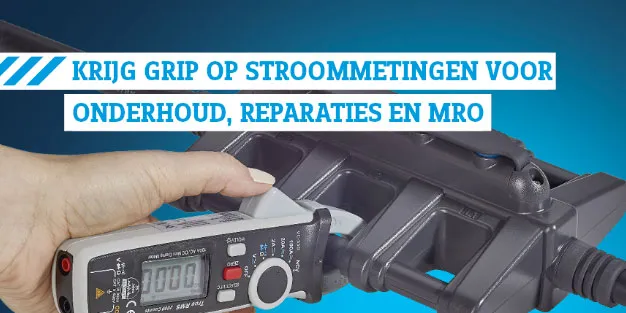
Office ergonomics is big business. Height-adjustable desks, ergonomic chairs and spring-loaded monitor arms that position screens at the ideal height: no potential source of discomfort for office workers seems to be overlooked. For maintenance technicians, however, the rules are very different. There is no standard concept for an ergonomically comfortable working environment for these professionals. Poorly lit electrical cabinets, ladders that have to be placed against cable trays, and the need to take measurements in cramped shafts and ducts are just a few examples of the discomfort they face in their day-to-day work. That does not mean, however, that the tools they use every day cannot make things a little easier. Current measurement, whether as part of a general equipment assessment or to locate a fault, is often a challenge because of cable harnesses secured in place and cramped working conditions.
Current measurement is a standard function on most multimeters, but the circuit normally has to be interrupted to take these measurements. Current measurement functions are generally limited to a peak of 10 A, and the type of measurement may be further restricted by the location in the electrical system where it is taken. For example, measurements using instruments connected to the mains via a plug fall under safety category CAT II, while measurements on fixed electrical equipment such as lift motors are taken in CAT III. This CAT rating defines the maximum voltage that can be measured with the multimeter, based on the highest transient voltage that could occur, for example, as a result of a lightning strike on a power cable supplying the location in question.
Question about this story? Ask your question
Keep following this
Get an email when a new story is published. No account needed.
- SubjectBuilding services engineering