The impact of ventilation systems on construction and the environment
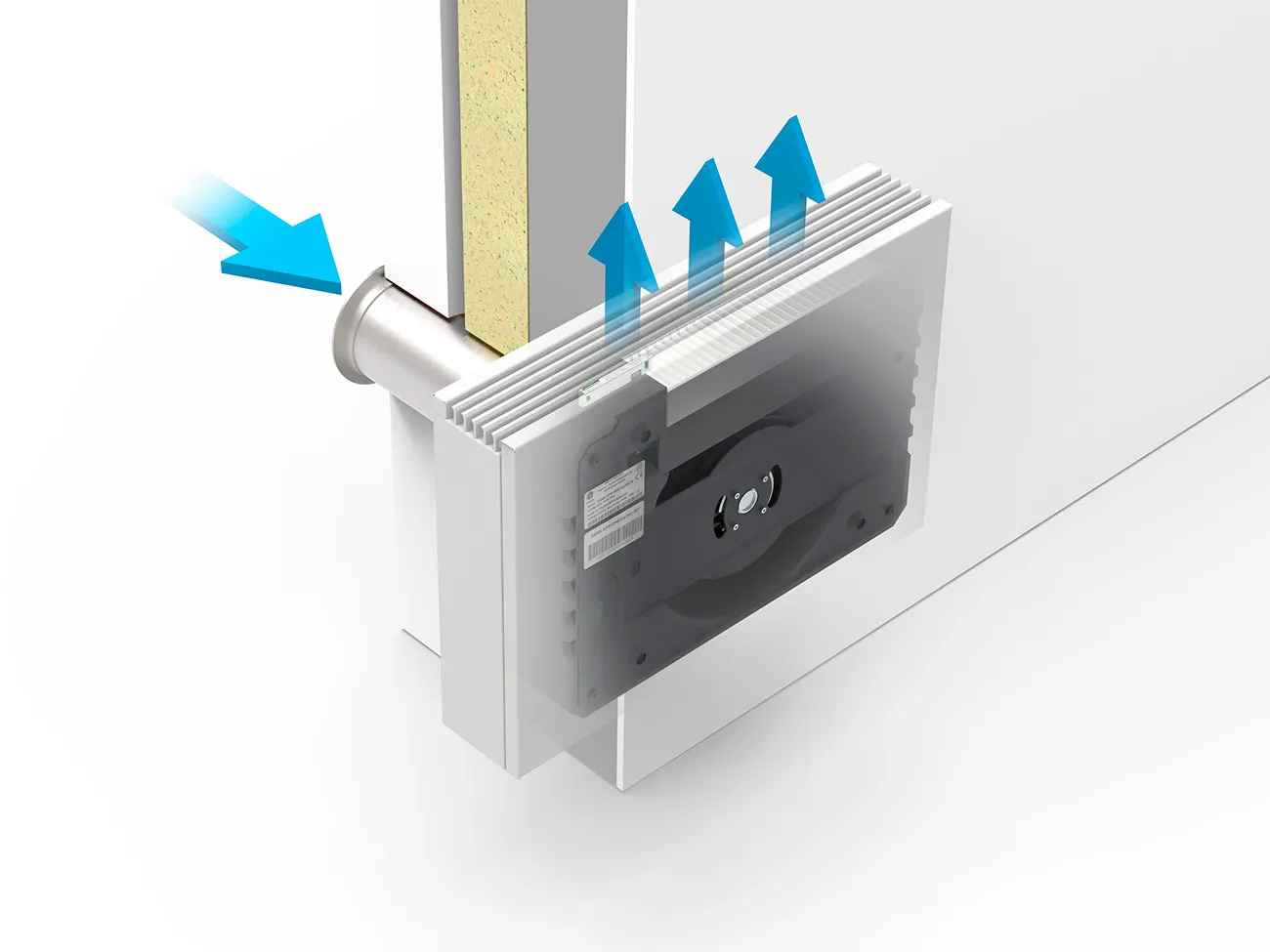
The introduction of the BENG requirements has major implications for contractors and property developers. One of the most significant changes is the much greater emphasis now placed on the interaction between building services, ventilation, the thermal envelope and sustainably generated energy. Commissioned by Jaga, Technisch adviesbureau Duinwijck compared the three most common ventilation systems. The conclusion? Decentralised, demand-controlled mechanical ventilation with Oxygen2 achieves the same BENG score as heat recovery ventilation (HRV), but costs less, has a lower environmental impact and is easier to build and install.
Technisch adviesbureau Duinwijck compared self-regulating ventilation grilles (ZR), a central heat recovery ventilation (HRV) system and decentralised, demand-controlled mechanical ventilation using Jaga’s Oxygen2. The impact of these systems was assessed in terms of energy consumption, the construction process, the environment, investment costs and total life-cycle costs.

Energy consumption
BENG calculations were made for the heating demand and daily energy consumption of each ventilation system. The study shows that heating demand is by far the highest with ZR grilles. A heat recovery ventilation system has the lowest transmission heat loss, 26% less than with grilles, while Oxygen2 reduces heat loss by 20%. In terms of daily energy consumption, Oxygen2 uses only a fraction of the energy required by the other ventilation systems for ventilation. The BENG calculations therefore show that the combined energy consumption for heating and ventilation is lowest with Oxygen2.
Construction process
What impact does the ventilation system have on the construction process? Central systems with heat recovery require a relatively large amount of ductwork, which affects the floor construction. Oxygen2 systems and ZR grilles do not require ductwork for fresh air supply. This gives the contractor greater freedom to choose the floor structure, plan the space and make optimum use of it. This makes them a better option for applications such as timber-frame construction, high-rise buildings and smaller floor areas.
Environmental impact
Oxygen2’s low energy consumption also means its CO2 emissions are considerably lower than those of the other ventilation systems. In addition, at the end of its life cycle, Oxygen2 has a much smaller environmental impact than a complete heat recovery ventilation system. This is a major advantage, particularly as circular construction is becoming increasingly important to clients and property developers.
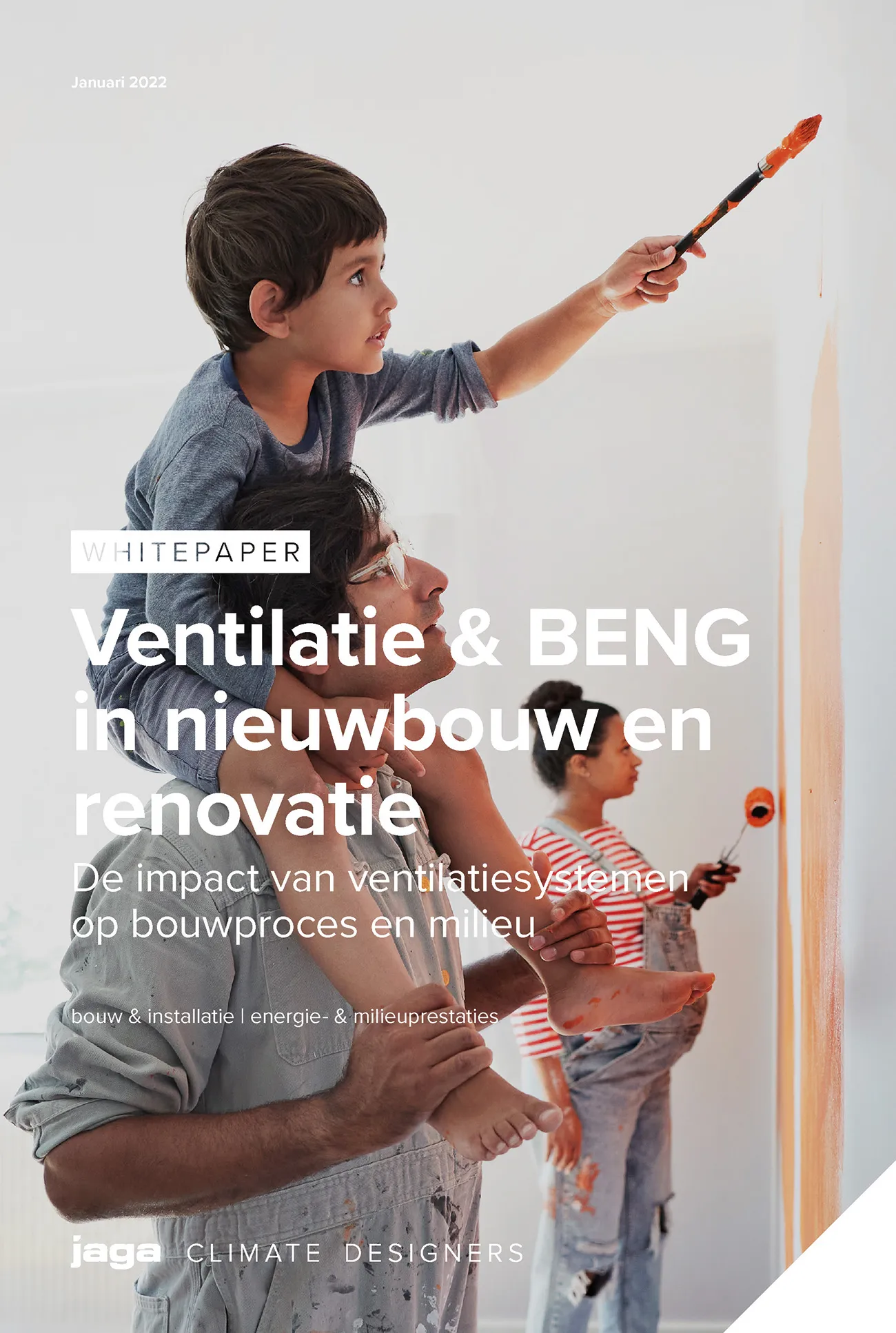
This makes the Jaga Oxygen2 system an excellent alternative to both ventilation grilles and HRV, for example in homes, high-rise buildings and timber-frame construction. Would you like to know more? Download our white paper, ‘Ventilation & BENG in new-build and renovation’.
Een zakelijke vraag aan Jaga? Get in touch
Companies in this story
Keep following this
Get an email when a new story is published. No account needed.
- ThemeHealthy indoor air
- SubjectBuilding services engineering
- CompanyJaga