The most common problems and solutions in water treatment for closed-loop systems: Keep your system in top condition!
The number of aquifer thermal energy storage systems in the Netherlands has increased significantly in recent years. This is hardly surprising: combined with low-temperature heat emitters such as underfloor heating, underfloor cooling and low-temperature radiators, they can provide a comfortable indoor climate in every season while using very little energy. The key requirement is that the system water is treated correctly, from commissioning throughout the system’s entire service life. If this is not done, or is done inadequately, the following problems may arise, according to Mario van Gorsel, director of KOREX Benelux:
1. Construction debris and sludge
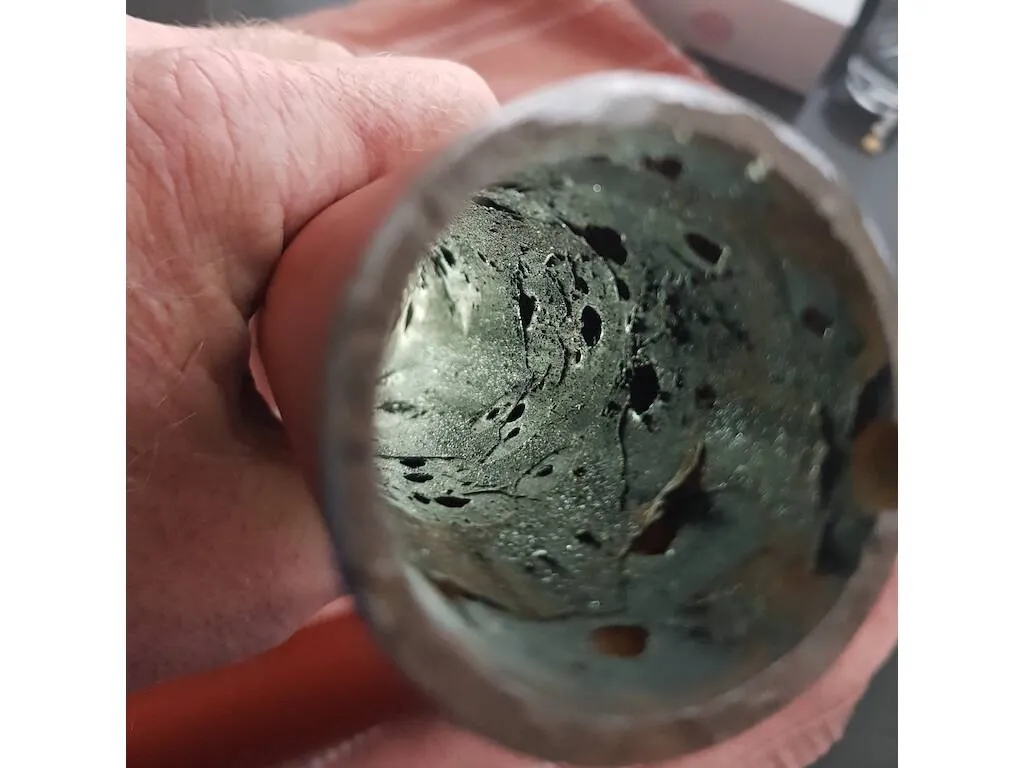
“Many installers still underestimate how much construction debris and sludge can find its way into, for example, the connecting pipes and risers of closed-loop systems during construction. This includes dust, sand, welding spatter, welding flux and microfibres, which settle on the bottom along with the lime particles released, preventing the system from protecting itself against corrosion,” says Van Gorsel. “In this situation, the pH of the heating water is constantly neutralised. The system will therefore remain corrosive, leading to significant losses in efficiency and comfort, as well as faults and failures in valves, shut-off valves, controllers, pumps and other components.” To remove construction debris and sludge from the system, it must first be flushed. “The dirt can then be removed from the system by filtration.” It is important to mobilise the contaminants. “For example, adding an inhibitor (corrosion inhibitor/protective agent) prevents dirt from settling. A second, precisely measured liquid can then be used to bring the pH step by step to the desired level.” To monitor this process properly, the system must be degassed to prevent the pH from being neutralised.
2. Contamination and blockages
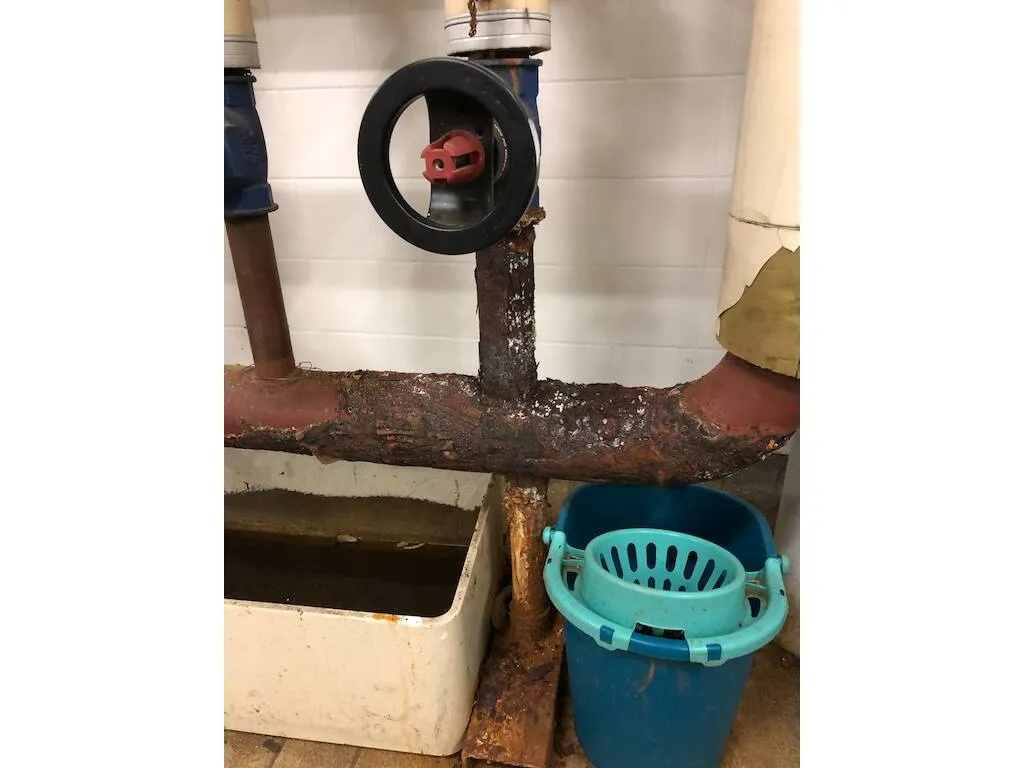
With the advent of low-temperature systems, water volumes have decreased and pipe diameters have become smaller. “It is the latter in particular that regularly causes problems, because blockages occur more quickly,” says Van Gorsel. “To prevent this, contaminants must be intercepted promptly and effectively.” When large quantities of fine magnetic particles build up in the system, rooms do not heat up sufficiently. “Systems can also shut down due to faults, and consumption-based billing is no longer reliable. To address this problem, the protective layer in the system must be restored. Here too, mobilising contaminants, filtration and degassing are essential.”
3. Incorrect and/or excessive use of inhibitors
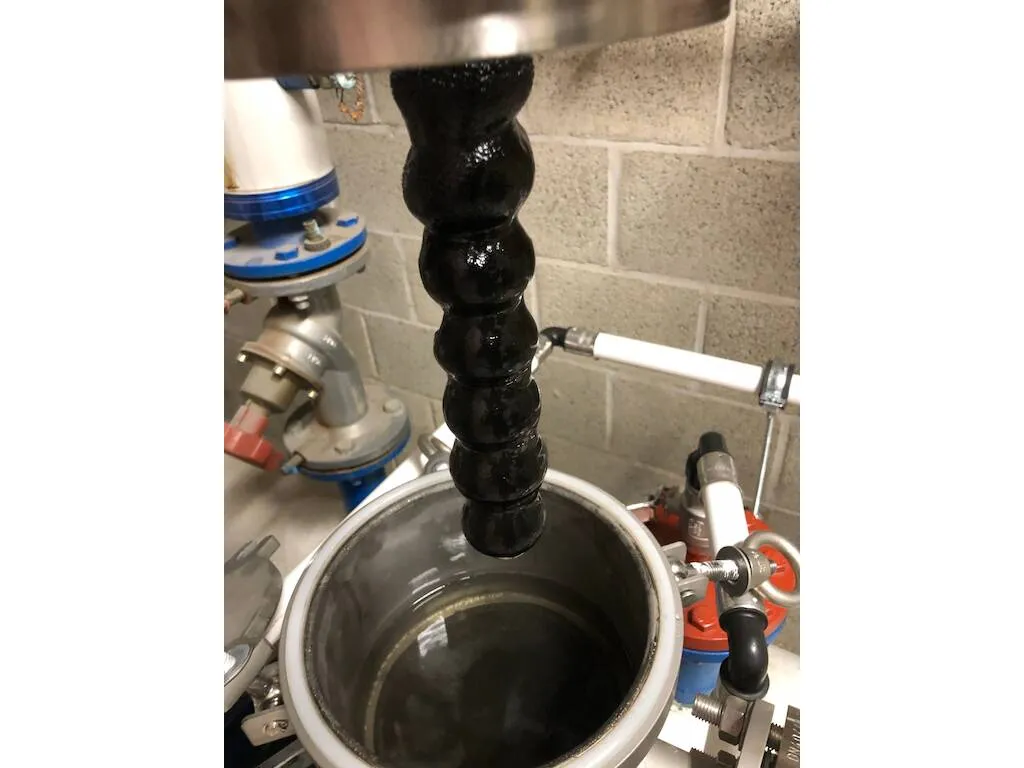
When an inhibitor (corrosion inhibitor/protective agent) is used, it must be applied correctly and in exactly the right quantity to keep the conductivity and alkalinity of the system water low, says Van Gorsel. “In practice, however, so much is often added that the conductivity of the system water becomes too high and, combined with low water hardness, galvanic corrosion occurs.” Corrosion of materials such as steel and aluminium is only possible if the water is electrically conductive, he stresses. An inhibitor is not needed for this. “If too much or the wrong inhibitor is used, it is advisable to flush the system completely and start the water treatment process again.”
4. Incorrect material combinations
Van Gorsel also sees different materials being used in the same system too often. One example is a combination of copper and stainless steel, which can lead to galvanic corrosion. “With galvanic corrosion, the less noble material (the anode) is usually attacked, while the more noble material (the cathode) is protected against corrosion,” he explains. “The anode material will corrode, which can cause pitting and eventually serious leaks. To prevent this, sacrificial anodes are commonly used in the shipping industry, among other sectors. This solution can also be used in closed-loop systems, preferably by adding a magnesium oxide anode, which must be inspected and replaced periodically.” For anyone wanting to know more about how to maintain the water quality of closed-loop systems in optimum condition, VDI 2035-1 sheet 2 is an excellent guide. It provides a detailed description of the principles to be followed from design and commissioning through the entire period of use, including maintenance and any modifications.
Een zakelijke vraag aan KOREX Benelux? Get in touch
Companies in this story
Keep following this
Get an email when a new story is published. No account needed.
- ThemeGas-free heating and cooling
- SubjectBuilding services engineering
- CompanyKOREX Benelux