What does the delivery of a VRF project at STULZ involve?
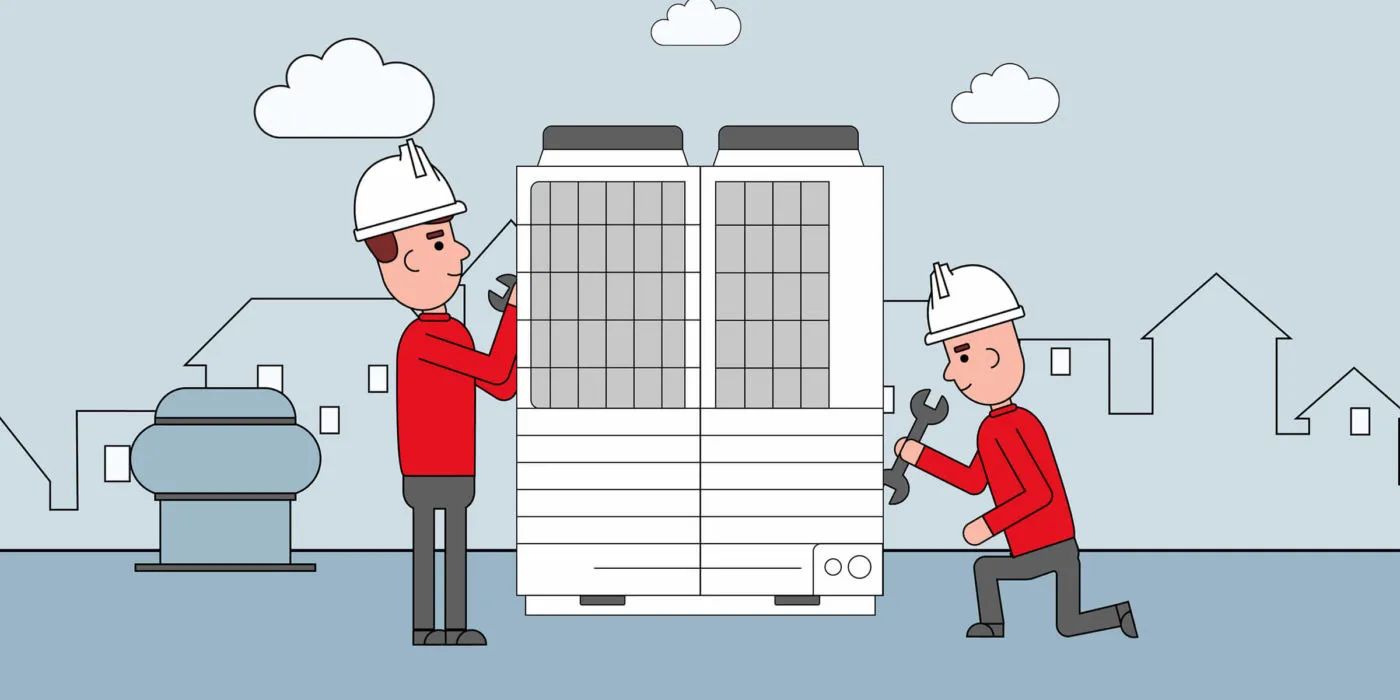
This is how we deliver a VRF project.
What does a VRF project at STULZ involve? We’d be happy to take you through our process, outlining a number of clearly defined steps. This is how we ensure a sustainable, energy-efficient project that meets your requirements and preferences. Whatever the climate control solution you need, we’re here to help. Short on time? Watch the short video below for an explanation of the steps outlined here.
1. Initial contact
The first contact with the customer is an important first step in the project process. Whether we are approaching a potential customer or responding to their initial enquiry, we support them from the very first contact. Our aim is always to help them with their query.
2. Understanding the requirements
After the initial contact, it is important to understand the customer’s requirements. These are linked to the available specification and project description. What has been specified? What requirements must the system meet? What is the project timeline? These are just some of the questions that may be relevant when establishing the customer’s requirements.
Our representatives work with the customer to address any potential ‘blind spots’ from the outset and ensure that neither party faces any surprises as the project progresses. After all, nobody likes unpleasant surprises.
3. Design
Once the customer’s requirements have been established, our representatives work with our engineers to select the right systems and controls. We always consider our full product portfolio, including products from Mitsubishi Heavy Industries, to identify potential synergies and determine how our systems can work together most effectively. This involves extensive consultation with our other departments, with due consideration always given to factors such as energy efficiency, comfort and sustainability.
4. Proposal
Once the design is complete, we send the customer an initial proposal for the full VRF installation. Flexibility is key at this stage. It is common for changes to be needed in response to the proposal. If so, we resume discussions with the customer and our engineers to make and incorporate those changes. They can range from changes to the room layout to revisions to the installation’s required capacity. By keeping the conversation open, we work with the customer to arrive at the system design that best meets their needs.
5. Installation
The next step is to carry out the project, working with project planners, the installer(s), fitters and other parties involved. Communication is key throughout this stage. By maintaining clear communication with everyone involved, we can prevent misunderstandings during installation and ensure that the climate control and VRF systems are installed correctly on site and then commissioned.
6. Project completion
The construction and installation work is complete, and it is now time to hand over the project. We always try to be present at handover to answer any final questions and ensure that everything is clear to the end user.
7. After-sales service
After handover, STULZ is happy to provide further support with service, maintenance or general queries.
We hope this article has given you a clear idea of how we at STULZ approach a VRF project and how we support customers throughout this extensive process. Would you like to know how we could support your project or what we can do for you? Get in touch with us today. Or visit our dedicated webpage for VRF systems.
Een zakelijke vraag aan STULZ Groep B.V.? Get in touch
Companies in this story
Keep following this
Get an email when a new story is published. No account needed.
- SubjectBuilding services engineering
- CompanySTULZ Groep B.V.