Wireless emergency lighting management: a cost-effective choice for healthcare
Text Lieke BousemaImage HBI Bisscheroux
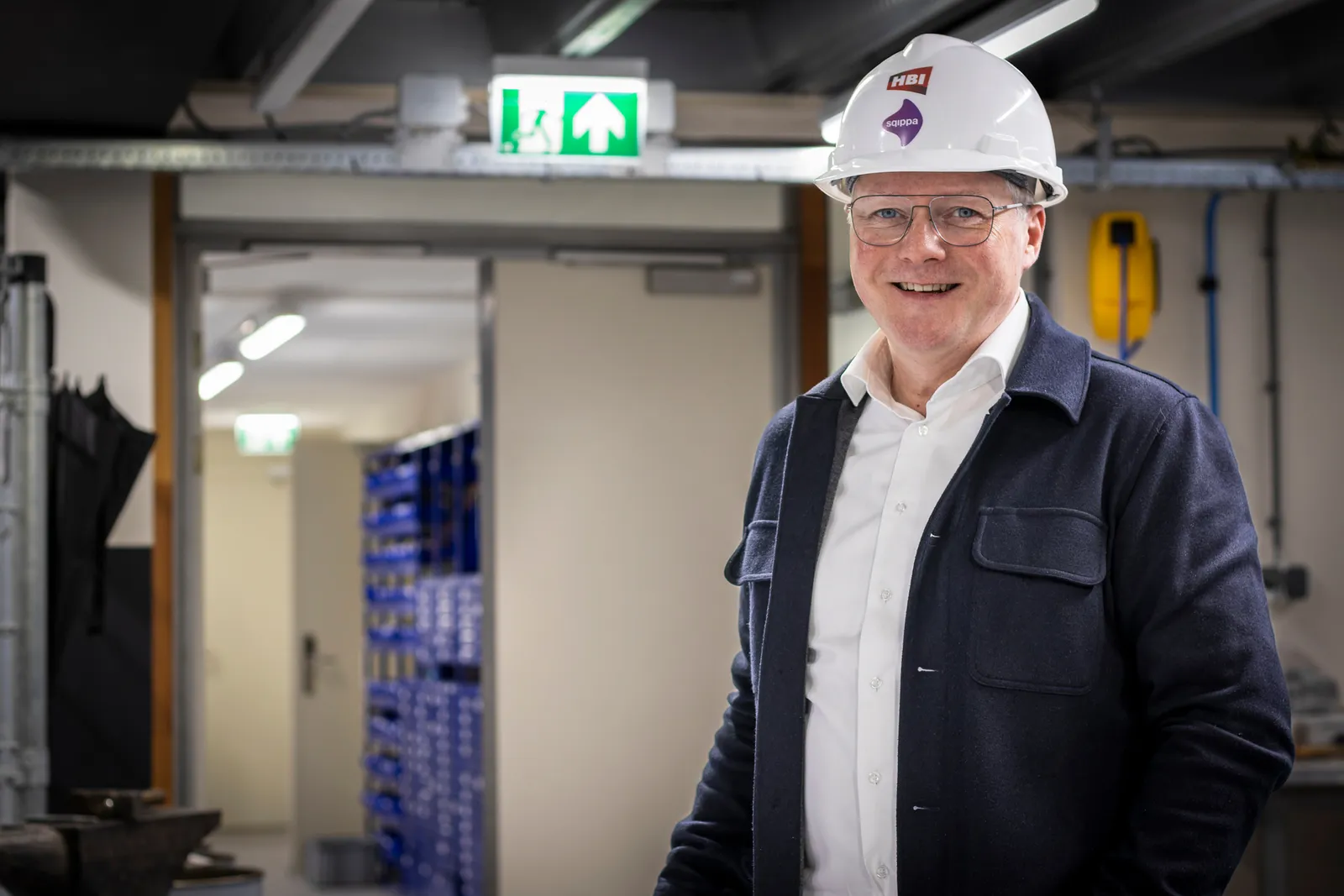
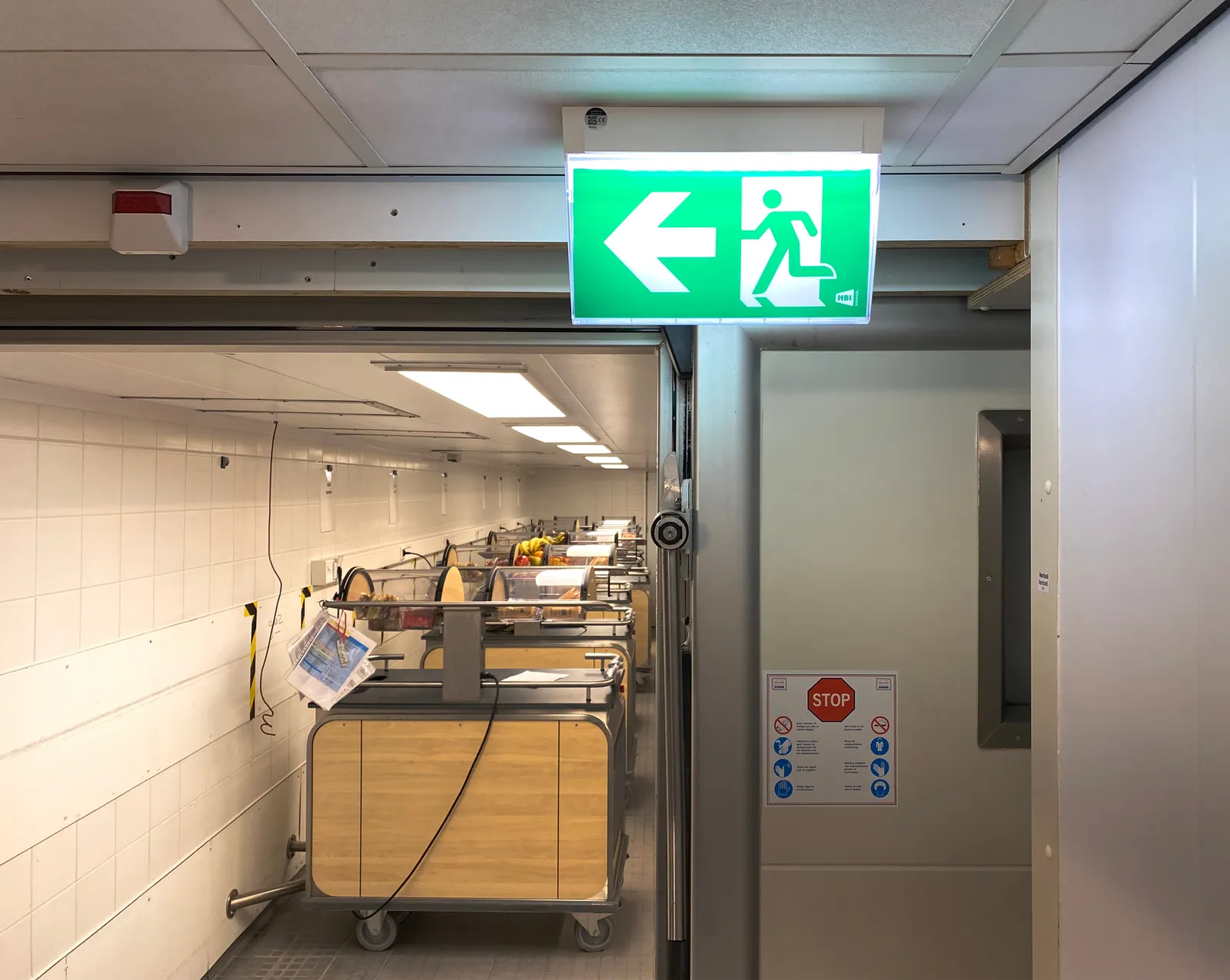
The future of building management starts now, including in the healthcare sector, which faces major challenges. One example is the management and maintenance of emergency lighting. HBI Bisscheroux offers an innovative solution in the form of LoRaWAN-certified emergency lighting luminaires that can be managed easily and wirelessly, including remotely.
“Our emergency lighting solution gives customers real-time insight and updates, fewer inspections and more efficient maintenance planning,” says Antoon Rijpkema, emergency lighting adviser and IoT consultant at HBI Bisscheroux. “This means less disruption for residents or patients.” It is no coincidence that the Erasmus MC Sophia Children’s Hospital in Rotterdam, Elisabeth-TweeSteden Ziekenhuis in Tilburg and Spaarne Gasthuis in Haarlem and Hoofddorp have already adopted HBI Bisscheroux’s emergency lighting solution.
Investing in technology
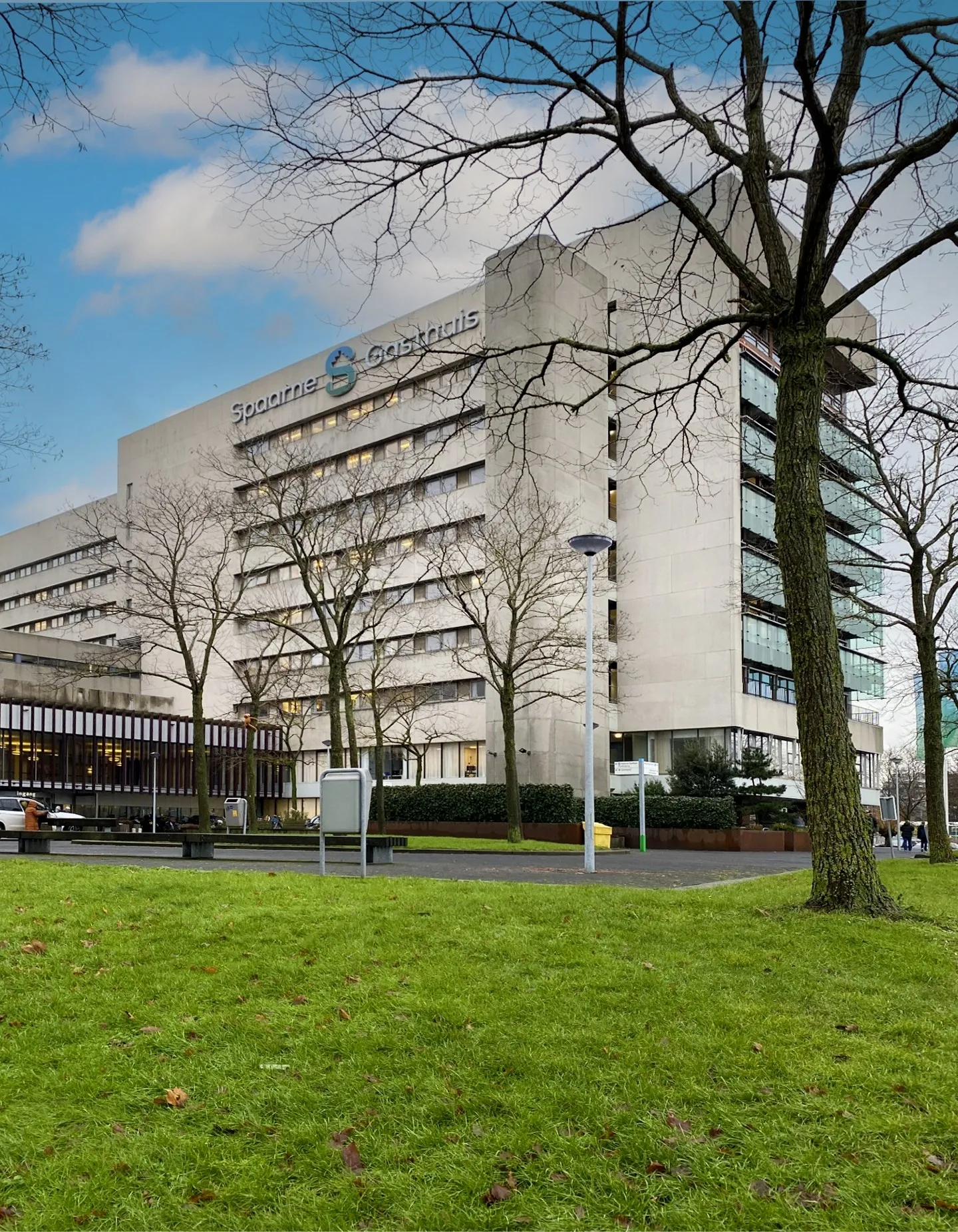
Spaarne Gasthuis is a top clinical hospital where training and education, scientific research and the delivery of specialist care come together. It places a strong emphasis on technology to speed up and improve processes and make them less onerous. “The implementation of wirelessly managed emergency lighting fits in well with this approach,” says Kees Kors, electrical engineering technical manager at Spaarne Gasthuis. “The reasons for implementing it were our multi-year maintenance plan, the phasing out of traditional emergency lighting and the requirements of the Energy Saving Recognised Measures Lists (EML), which encourage the switch to LED. By replacing all traditional emergency lighting luminaires with LED, we are preparing for a sustainable future. Adding wireless management also addresses current challenges in healthcare, from patient safety and staff shortages to the sustainable deployment of employees, energy and cost savings, and CO2 reduction.”
Saving time, energy and money
“Spaarne Gasthuis has three sites, with a total building area of approximately 190,000 m2,” says Chris van den Bos, electrical engineering technical manager at Spaarne Gasthuis, whose focus is Smart Maintenance and Smart Buildings. “Periodically checking all the emergency lighting across these sites takes a huge amount of time, energy and money. What is more, the reliable operation of the emergency lighting in the event of a power failure cannot be sufficiently guaranteed. What is working today may fail tomorrow. Wireless emergency lighting management changes that. Not only power cuts, faults and malfunctions, but also installation errors are detected immediately, making it possible to predict maintenance needs more accurately and prevent incidents.” Kors adds: “The only thing our service technicians still need to do is periodically check the physical condition of the emergency lighting and record it in reports for the competent authority. Management is no longer a snapshot, further safeguarding the safety of patients and staff.”
LoRaWAN standard
To implement the new emergency lighting solution, Spaarne Gasthuis contacted HBI Bisscheroux, which made a deliberate choice to use LoRaWAN (Long Range Wide Area Network), a global, highly secure standard for long-range, low-power communications. It is also one of the world’s largest IoT protocols, with millions of gateways and devices. “HBI Bisscheroux developed the Sqippa Online IoT monitoring platform, with clear floor plans that show at a glance where any faults are occurring,” says Van den Bos. Rijpkema explains: “The system sends an update on the status of each luminaire three times a day, measuring 18 relevant data points. These range from battery status to information about the most recent function and duration tests. This gives building owners and managers great peace of mind. LoRaWAN CO2 sensors, smoke detectors, kWh meters and water meters can also be integrated, making Sqippa Online a comprehensive, high-impact solution for every type of building.”
In-house monitoring platform
Van den Bos acknowledges that Spaarne Gasthuis was very impressed with the platform. “However, we had already implemented our own LoRa network environment. To avoid having to work with two parallel monitoring environments, we decided to integrate HBI Bisscheroux’s LoRa emergency lighting solution into our own monitoring environment. The aim is to create a single, comprehensive solution that allows our service technicians to check energy consumption, temperatures, relative humidity, CO2 levels and occupancy rates, etc. on one screen. They can also see at a glance which systems and components need their attention. This ranges from emergency lighting to climate control systems, enabling us to manage our buildings even more efficiently.”
“During our first discussions with Kees Kors in the summer of 2025, it became clear that Spaarne Gasthuis had done its homework and thoroughly explored the market,” says Rijpkema. “This included looking at remote management. As a result, we were able to move quickly. In total, we supplied around 1,500 luminaires to our partner Lichtservice Nederland, which is carrying out the phased installation, identification and implementation of all the equipment at Spaarne Gasthuis.” The sites in Haarlem-Zuid and Hoofddorp are now complete, and from next summer the emergency lighting at the Haarlem-Noord site will also be managed wirelessly.
A business enquiry for HBI Bisscheroux? Get in touch
Companies in this story

Keep following this
Get an email when a new story is published. No account needed.
- ThemeSmart buildings and controls
- SubjectBuilding services engineering
- CompanyHBI Bisscheroux
- CompanySmart Buildings