











A proven concept now also available as a centralised solution
Text Desiree PenningsImage Klimaatgroep Holland
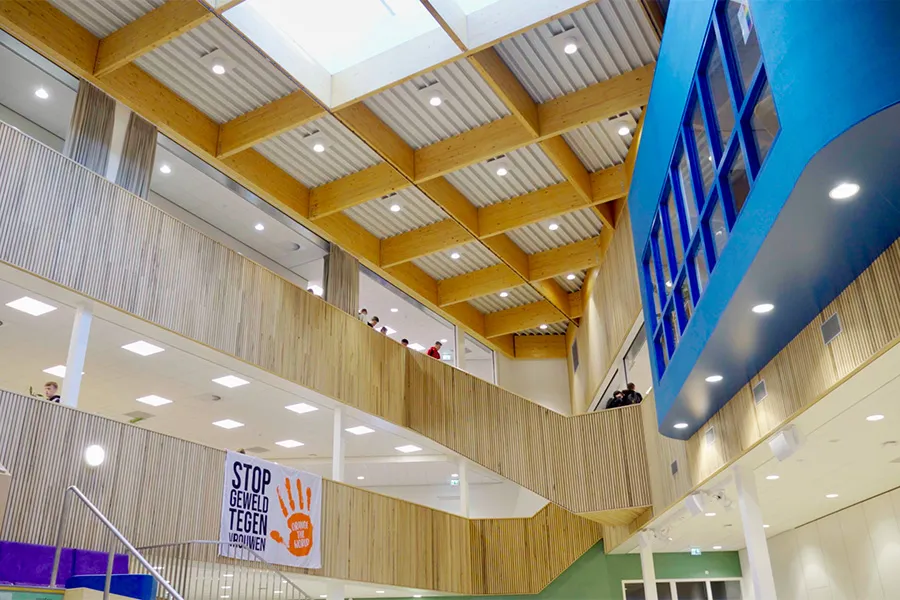
All-in-one ventilation units
Het ScholenºConcept from Klimaatgroep Holland has become a proven method, already installed in more than 10,000 classrooms. The decentralised all-in-one ventilation unit ventilates, heats and cools the classroom fully automatically. In November, Klimaatgroep Holland is also launching a centrally powered system that offers all the benefits of the existing concept.
The existing units operate fully independently, each with its own fan. As well as ventilation, heating and cooling, they can also be connected to solar shading and lighting. Sensors measure the temperature, CO2 levels and occupancy in the classroom. Based on these readings, air is distributed throughout the room without causing draughts. By default, the units are connected to Klimaatgroep Holland’s control centre, which monitors the system 24/7. The school receives its own login details, giving it access to the measured values at all times.
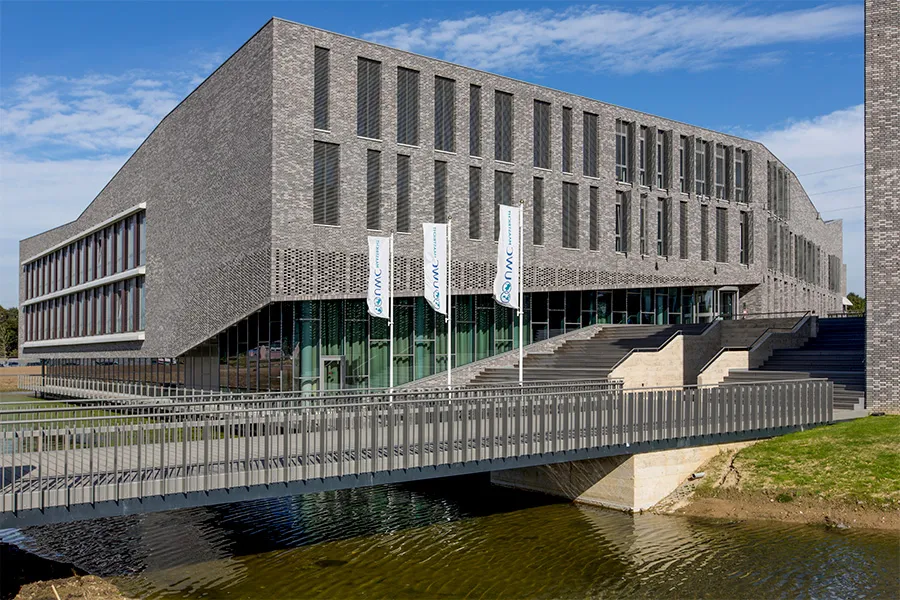
Advantages and disadvantages
The advantage of a decentralised system is that fewer ducts are needed inside the building. One consequence is that the unit, which is installed in the suspended ceiling, needs connections to the outside for air intake and exhaust. Architects are adept at addressing this and come up with excellent solutions. There are arguments for both decentralised and centralised ventilation systems, so Klimaatgroep Holland has developed a unit supplied by the central air handling unit but controllable room by room. “We have brought together all the advantages of the existing system in this new solution,” says managing director Harry Vaatstra. “You still have the technology, but there is no longer a fan in the classroom. All you see are four grilles and a control panel. Because more ducts are needed, it is particularly suitable for new-build projects.”
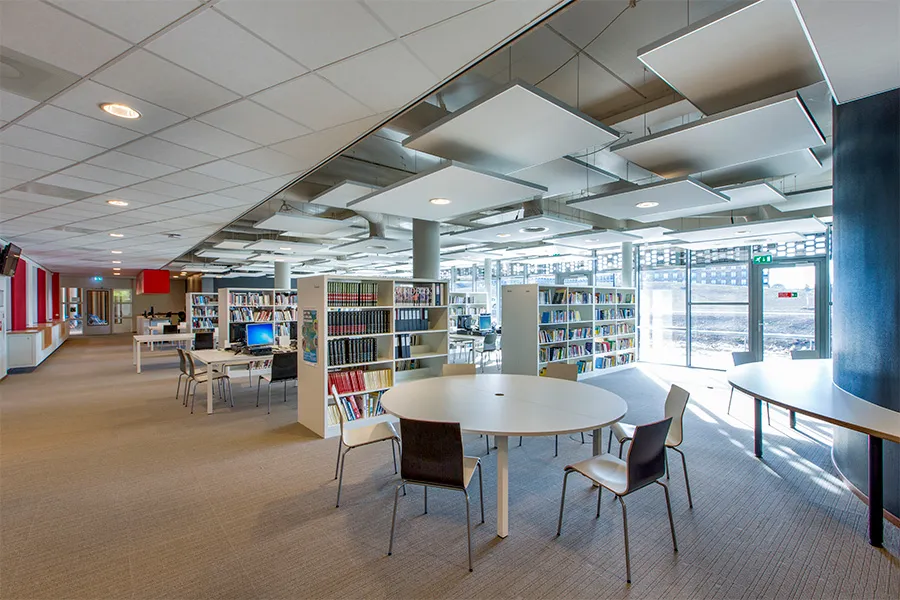
Frisse Scholen class A
With this new development, Klimaatgroep Holland is meeting the needs of all its customers. It is up to the consultant or architect to decide whether to opt for a centralised or decentralised system. Vaatstra says: “Both methods achieve Frisse Scholen class B, while the new concept can even achieve class A. We have carried our integrated building automation through into this product line, with an emphasis on comfort. Noise levels are low, and the air volumes also meet class A requirements.”
Monitoring
Sensors measure CO2 levels and occupancy in classrooms. This data can be linked directly to the building management system. Electricity consumption is also monitored, and lighting and equipment are switched off when they are unnecessarily left on. A good example is the interactive whiteboard, which often uses electricity 24/7. Vaatstra says: “We monitor energy use, so we can see whether there is an outlier in any classroom. This is automatically reported to the control centre. This helps reduce the school’s energy consumption. Faults and irregularities are also automatically reported to the control centre via the system, allowing us to resolve them. The school does not have to check the data itself all the time.”
Ready for the future
Although the new ventilation system is powered by a central unit, each classroom can be heated and cooled independently. If temperatures vary between classrooms, for example because of the building’s orientation to the sun, energy can be exchanged between them. Heat recovery with 100% separate air streams ensures highly energy-efficient operation. “The unit is water-powered and does not use refrigerants. You can use a natural refrigerant for the heat pump. If you do, you are fully prepared for the future. I am very pleased with this latest development. It is an excellent addition to the successful concept we already had,” says Vaatstra.
The units are available in three sizes: 1,800 m3 for Frisse Scholen class A, 1,250 m3 for class B and 850 m3 for nurseries.
Have a business enquiry for Klimaatgroep Holland? Get in touch
Companies in this story

Keep following this
Get an email when a new story is published. No account needed.
- ThemeHealthy indoor air
- SubjectGeneral
- CompanyKlimaatgroep Holland







