Air treatment in cleanrooms and laboratories calls for bespoke solutions
Text Lieke BousemaImage Ned Air
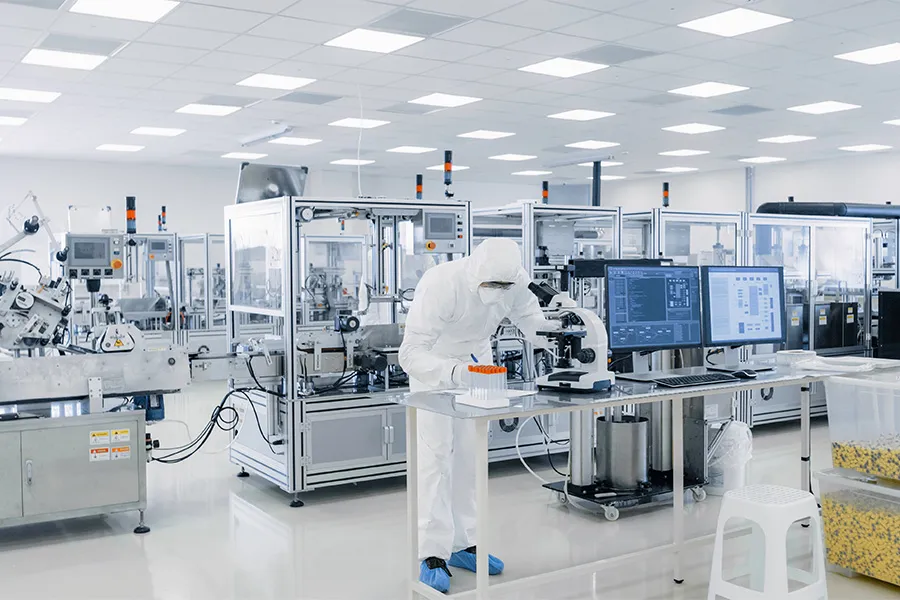
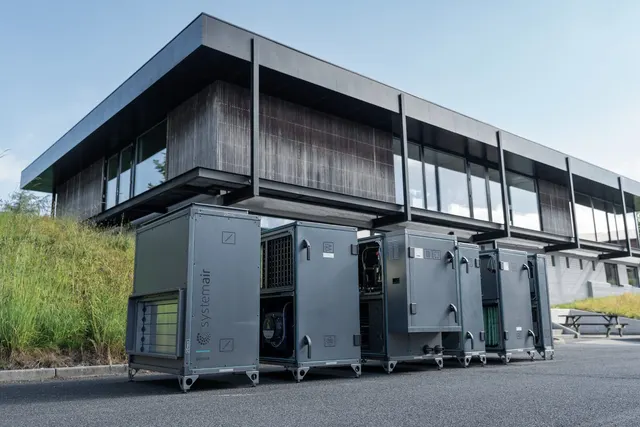
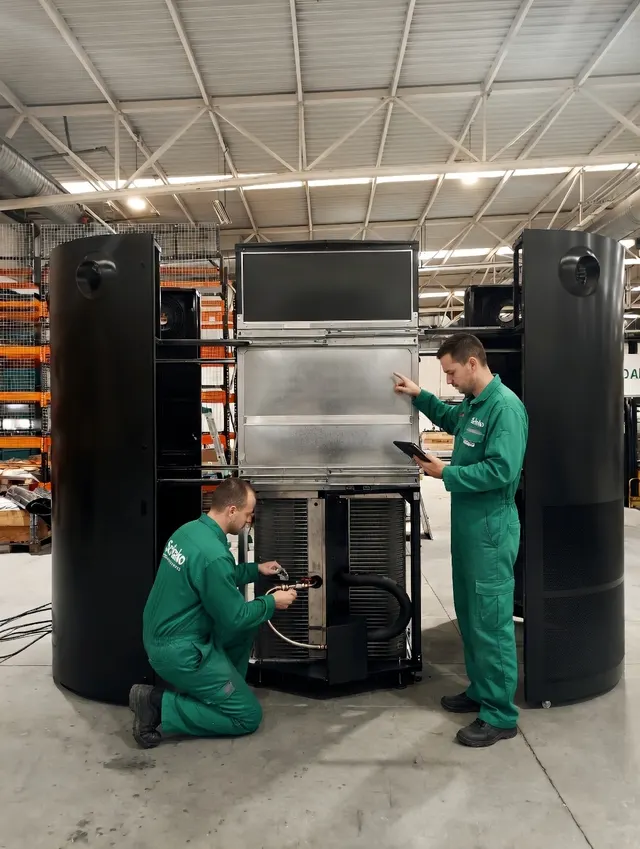
From air purity and pressure to materials and airflow, effective air treatment in cleanrooms and laboratories depends on many factors. “No two spaces are the same,” explains Jeroen Stoel, key account manager at Ned Air. “That is why we always design, supply and install customer-specific solutions, based on the required conditions and local circumstances. Consistent air quality and high reliability are always our top priorities.”
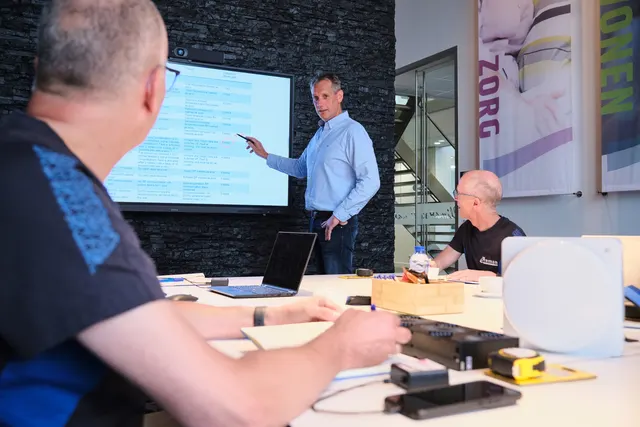
To ensure the best possible alignment between people, processes and air conditions, Ned Air likes to be involved in cleanroom and laboratory projects from start to finish. “From advice through to design, engineering, installation and commissioning,” says Stoel. “We work mainly in the high-tech and pharmaceutical industries and in (food-safe) horticulture. We also work in the food industry, where strict hygiene requirements must be met. That is why, from the design phase, we look at the required ISO class, as well as the contaminants present in a space. For example, how many people are in the room? What clothing are they wearing? Are they sitting or standing? How much movement takes place in the space? Using this information and advanced software, we can calculate precisely how long we need to ventilate to bring the space into compliance with the required ISO classification. We also use it to select exactly the right filters.”
High filter class
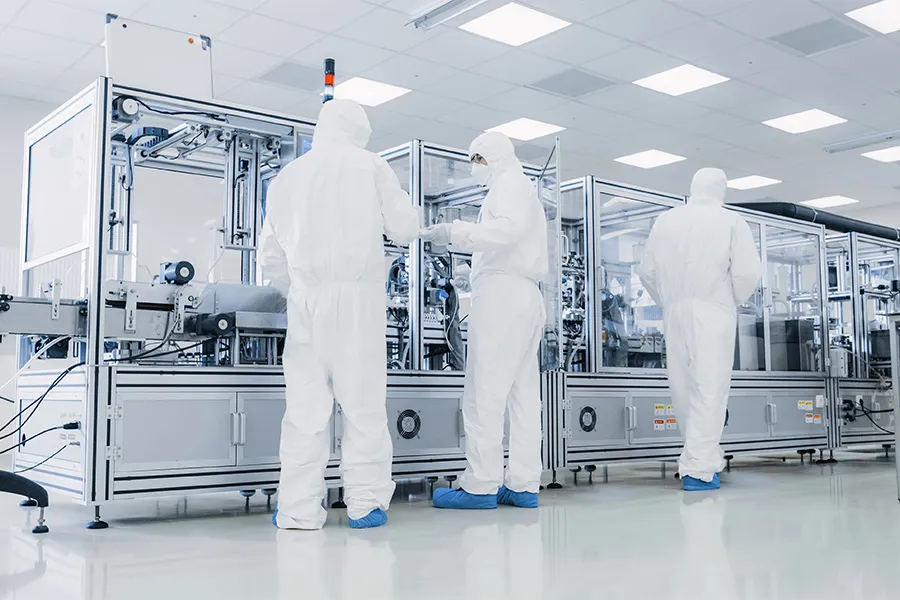
Cleanrooms and laboratories are controlled environments where particle concentrations must stay within strict limits. Air filtration is essential to achieve this, says Stoel. “Air filtration is governed by the international ISO14644 standard, which classifies air cleanliness according to the number of particles per cubic metre. It defines classes from ISO 1 to ISO 9, with ISO 1 being the cleanest.” Achieving this level of cleanliness requires an extremely high filter class, he says. “Ned Air works with a reputable filter manufacturer, which also provides the software used to determine the right ISO class. The range includes High Efficiency Particulate Air (HEPA) filters, which remove at least 99.97% of fine particles measuring 0.3 micrometres from the air. This particle size is also known as the ‘Most Penetrating Particle Size’ (MPPS), or the most difficult particle size to filter. This means that both larger and smaller dust particles are easier to filter out.”
Positive pressure
Once the filter configuration is known, Ned Air looks at the ideal air pressure. “Where a pressure difference is often acceptable in commercial buildings, cleanrooms and laboratories generally need to be kept at positive pressure,” says Stoel. “This prevents contamination from outside entering the room, for example when someone opens a door or window. We are also happy to advise on this, as well as on the choice of materials.”
Choice of materials
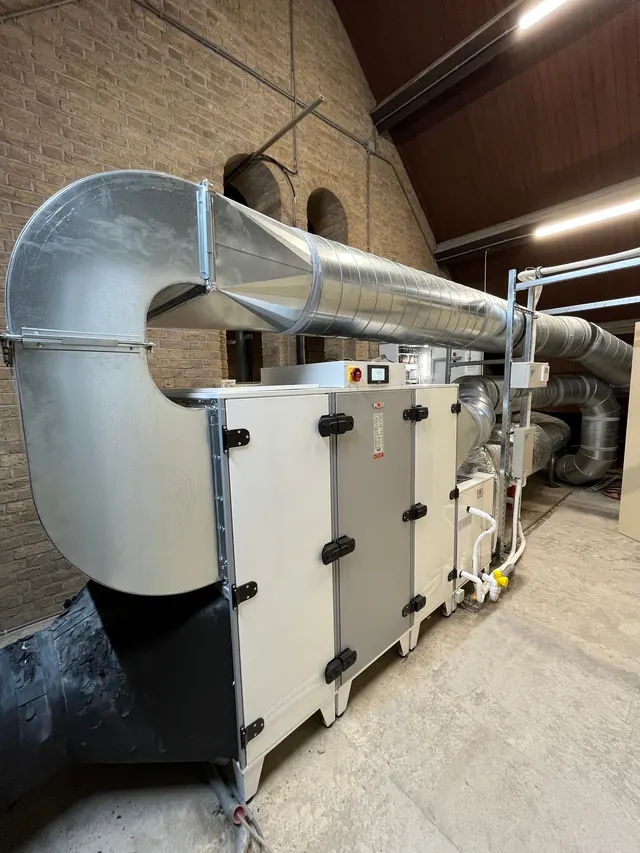
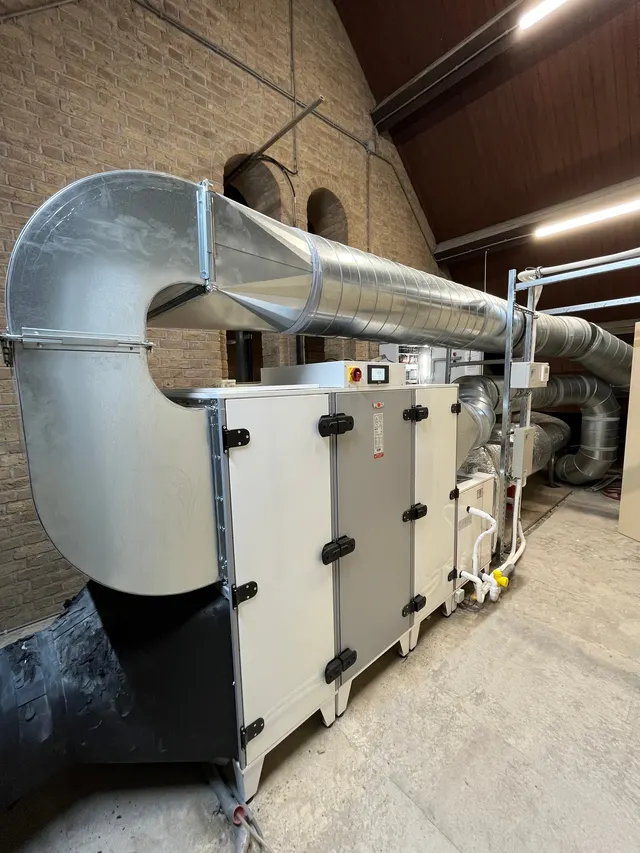
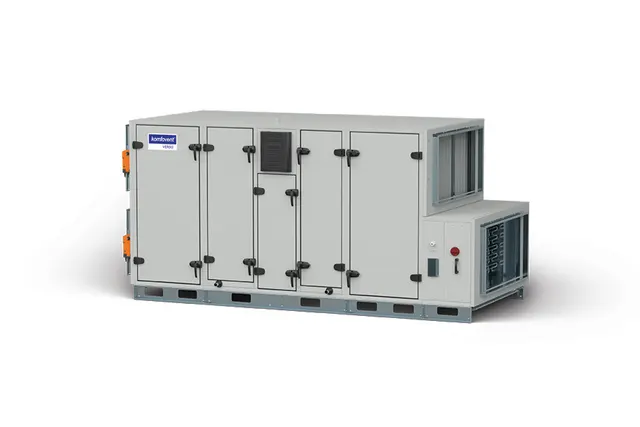
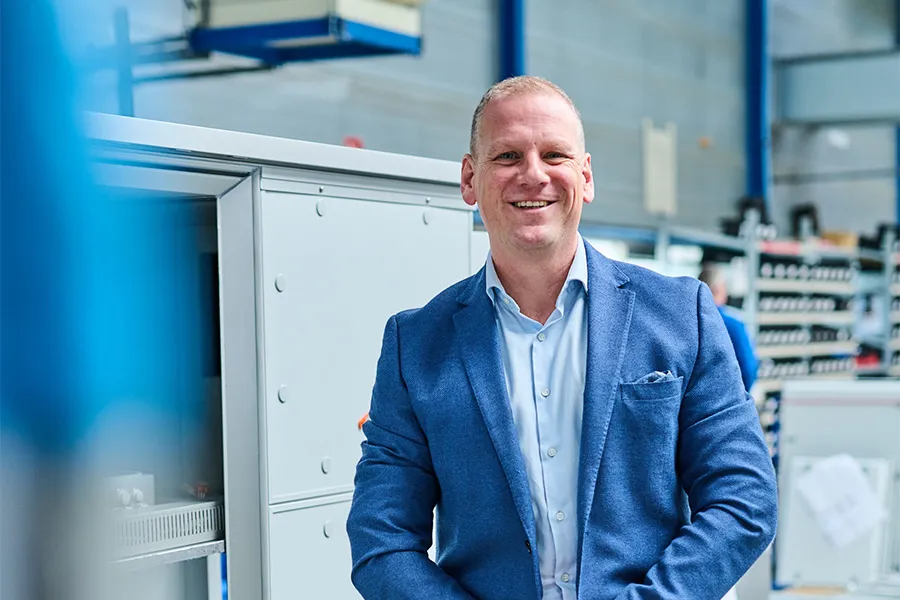
When air quality requirements are high, corrosive measures are out of the question, he says. This applies to the air handling unit too. “Otherwise, particles of rust may become detached and enter the airflow. To prevent this, we select the right materials for the air handling unit and its components at an early stage, from fans and heat exchangers to heating, cooling and changeover coils and silencers.” One major USP is that the panels of Ned Air air handling units are coated with a skin plate coating with excellent antibacterial properties, helping to ensure clean air free from bacteria and mould.
The right air conditions
Ned Air also pays attention to air conditions. Stoel cites air temperature and humidity as examples. “Dry air can lead to increased static electricity, which is undesirable in many settings. That is why we establish the required air conditions in advance. By humidifying or dehumidifying the air, we can ensure highly stable conditions.”
The right air supply pattern
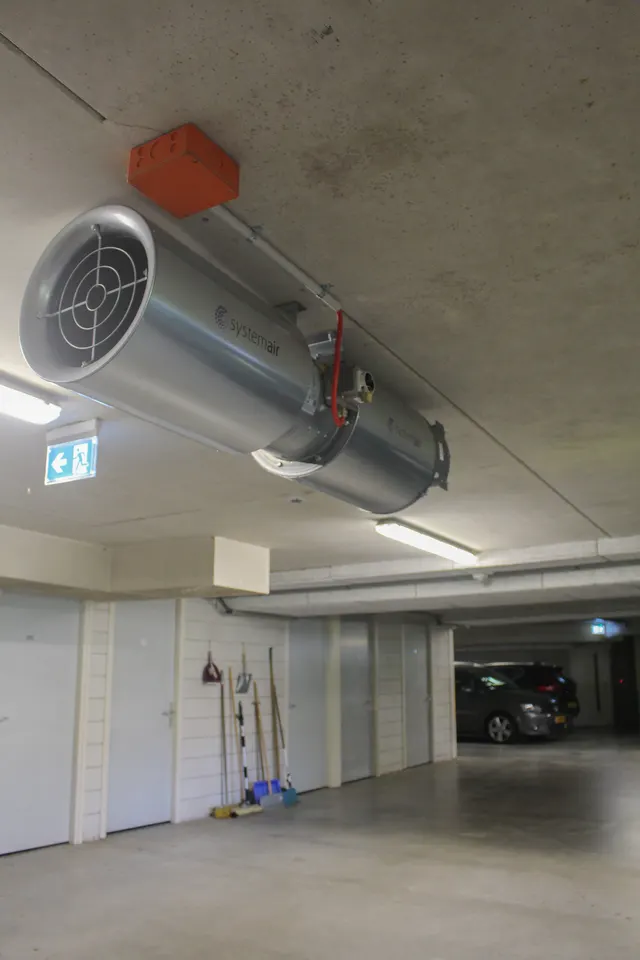
The right air supply pattern is also essential. “At the planning stage, based on the specification and in collaboration with the building services consultant, we determine whether nozzles, air socks or other components are needed to achieve the right air supply pattern,” says Stoel. “We also look at the right way to extract air, for example using displacement ventilation. All this information is used to design a bespoke air handling unit.”
Maximum reliability
“If required, we can also provide a redundant (dual) air treatment system,” Stoel emphasises. “For example, to ensure maximum reliability. A hybrid solution is also possible, with critical replacement parts such as fans stored on a slide-out rack next to the air handling unit. This makes it quick and easy to replace these components in the event of a failure, minimises downtime and maintains cleanroom conditions.”
A business enquiry for Ned Air? Get in touch
Companies in this story

Keep following this
Get an email when a new story is published. No account needed.
- ThemeHealthy indoor air
- SubjectAir handling
- CompanyNed Air